
 By
By [ad_1]
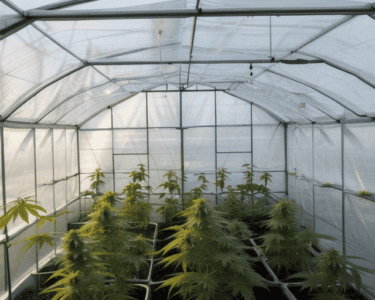
Cannabis cultivation has gained immense popularity over the past few decades, thanks in part to its legalized status in many states and countries, as well as a growing understanding of its medicinal benefits. Whether you are a seasoned grower or a novice looking to start your journey, understanding the intricacies of cannabis cultivation is essential for successful harvests and high-quality yields. Here, we explore the fundamental aspects of cannabis cultivation, dissecting critical factors such as genetics, soil quality, environmental control, and pest management.
Understanding Genetics
The first step to successful cannabis cultivation is selecting the right strain. Cannabis is broadly categorized into three species: Cannabis sativa, Cannabis indica, and Cannabis ruderalis. Each has its unique properties, growth patterns, and effects.
- Indicas tend to be short and bushy and are associated with relaxing effects. They generally have a shorter flowering time and higher yields indoors.
- Sativas are taller and have elongated leaves. They typically produce a more euphoric high and take longer to flower.
- Ruderalis is less common and mainly used for breeding photoperiod-independent strains (auto-flowering) due to its unique genetics.
Selecting the right genetics will set the foundation for your cultivation efforts. Consider factors such as growth time, potency, and the desired effects when choosing your strain.
Soil Quality and Nutrients
Soil is critical to providing cannabis plants with a healthy foundation. A well-balanced substrate should include organic matter, minerals, and soil microorganisms that promote healthy growth. Here’s what to consider regarding soil quality:
- pH Levels: Cannabis thrives in slightly acidic soil, ideally with a pH between 6.0 and 6.8. Regular soil testing can help maintain the right pH levels.
- Nutrient Composition: Cannabis plants require macronutrients (Nitrogen, Phosphorus, and Potassium) and micronutrients (Calcium, Magnesium, Iron, etc.). Nutrient deficiencies can lead to stunted growth and poor yields.
- Soil Aeration: Good drainage and aeration are vital for root health. Consider mixing your soil with perlite or coco coir to improve drainage.
Environmental Controls
Cannabis plants are sensitive to their environment. Whether you’re growing indoors or outdoors, several environmental factors need to be monitored and controlled:
- Light: Cannabis plants require different light conditions during their growth stages. Seedlings prefer gentle light, while adults benefit from full-spectrum light in the 12/12 cycle for flowering.
- Temperature and Humidity: Ideal daytime temperatures range from 68°F to 77°F (20°C to 25°C) for vegetative growth and slightly lower during flowering. Maintaining humidity between 40% and 60% is crucial for healthy growth and to prevent mold.
- Ventilation: Proper airflow helps reduce temperature and humidity levels. Use exhaust fans and oscillating fans to circulate air effectively.
Watering Techniques
Watering is another crucial factor in cannabis cultivation. Overwatering or underwatering can be detrimental to plant health. Here’s how to ensure your plants receive the right amount of water:
- Watering Frequency: Allow the top inch of the soil to dry out before watering. Typically, these plants require watering every 2-4 days, depending on factors like pot size and environmental conditions.
- Water Quality: Use filtered or distilled water to avoid harmful chemicals such as chlorine. Let tap water sit for 24 hours before use to allow chlorine to evaporate.
- Humidity Considerations: In high humidity, reduce the watering frequency to prevent root rot.
Pest Management
Pests can destroy your crop if left unchecked. Implementing an Integrated Pest Management (IPM) strategy is vital in tackling potential threats. Here are some effective practices:
- Preventive Measures: Keeping your grow area clean and free from debris helps minimize pest infestations. Introducing beneficial insects, such as ladybugs, can also help control aphid populations.
- Natural Pesticides: Use organic solutions such as neem oil or insecticidal soap to manage pests without harming beneficial microorganisms in the soil.
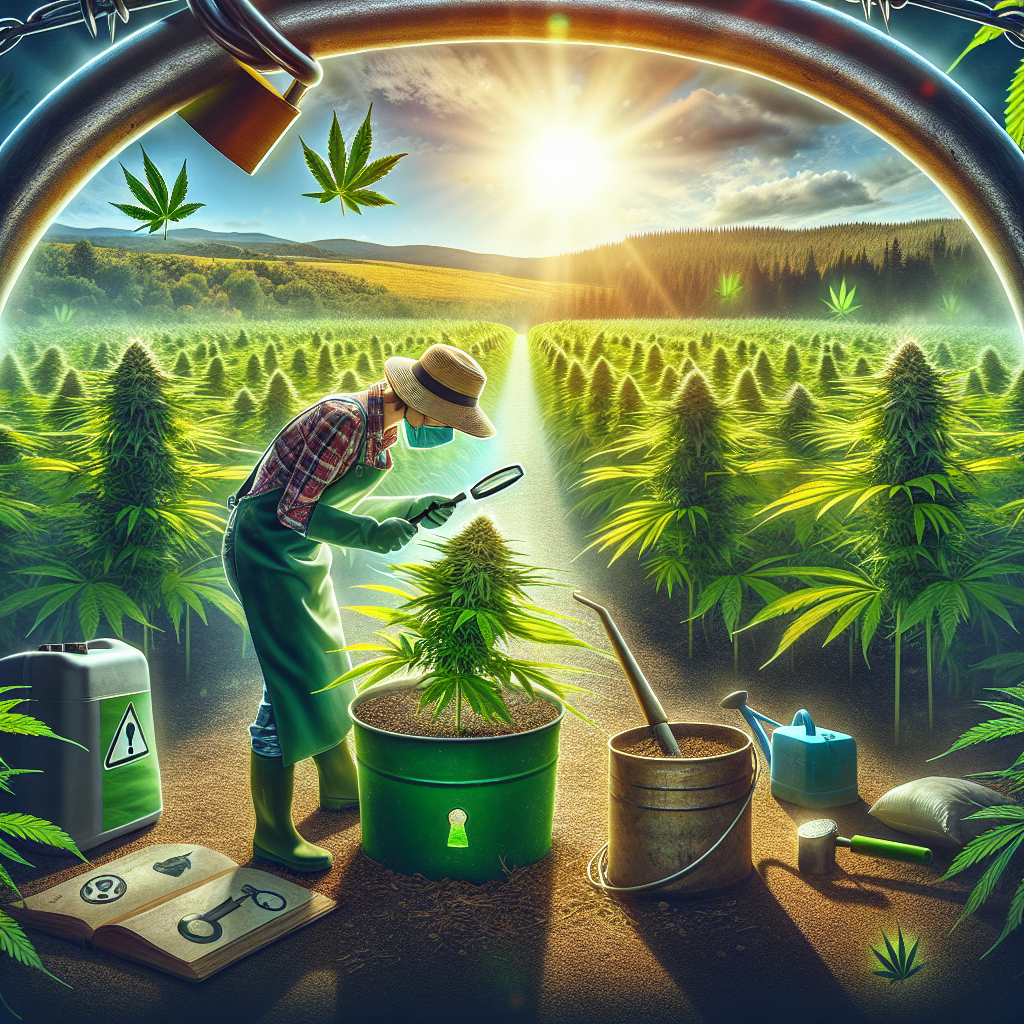
- Regular Monitoring: Regular plant inspections can help identify signs of pest activity early. Look for holes in leaves, webbing, or insect excrement.
Harvesting and Curing
The final stages of cannabis cultivation involve harvesting, drying, and curing the buds for optimal flavor and potency.
- Timing: Monitor the trichomes (tiny resinous glands) with a magnifying glass. When they turn from clear to cloudy or amber, it’s generally the right time to harvest.
- Drying: Hang branches in a dark, humid place for 7-14 days until the stems snap rather than bend.
- Curing: Place dried buds into jars for an extended cure. Open the jars daily to allow moisture to escape and monitor mold growth. After a few weeks, the flavor and potency of the buds improve significantly.
FAQs
1. How long does cannabis take to grow?
Cannabis growth time varies by strain and growing method but typically takes 3-5 months from seed to harvest.
2. Is growing cannabis indoors better than outdoors?
Both methods have advantages. Indoor growing allows for controlled conditions and year-round cultivation, while outdoor growing harnesses natural sunlight and often results in larger plants.
3. What are the common pests in cannabis cultivation?
Common pests include aphids, spider mites, and whiteflies. Regular inspections and preventive measures are essential.
4. Can I use regular soil for cannabis?
Regular garden soil may lack the aeration and nutrient balance cannabis needs. Opt for a specialized potting mix or amend your soil with perlite or compost.
5. Do I need to use nutrients during the growing phase?
Yes, using nutrient solutions appropriate to the plant’s growth stage can maximize your yield. Follow the feeding schedule provided by your nutrient brand for best results.
In summary, successful cannabis cultivation hinges on a variety of factors, from seed selection to harvesting techniques. Understanding each element of the cultivation process will empower growers to unlock the secrets of rewarding cannabis gardening. With the right knowledge and care, anyone can become a successful cannabis cultivator.
[ad_2]