

 By
By [ad_1]
Growing Green: The Rise of Organic Cannabis Farming
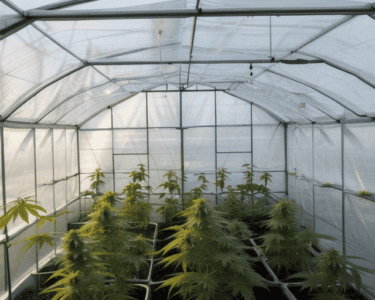
The cannabis industry has experienced monumental changes over the past decade, particularly with the increasing acceptance and legalization of marijuana across various regions. Amid this landscape, organic cannabis farming has emerged as a leading trend. As consumers become more health-conscious and environmentally aware, they seek products that align with their values, triggering a shift towards organic cultivation methods that prioritize sustainability, quality, and wellness.
Understanding Organic Cannabis Farming
Organic cannabis farming involves growing cannabis using methods that are free from synthetic chemicals, pesticides, and genetically modified organisms (GMOs). This agricultural approach adheres to principles that focus on soil health, biodiversity, and ecological balance, often incorporating composting, cover cropping, and natural pest management techniques. The result is a high-quality product that appeals to a demographic seeking trusted and clean products.
The Evolution of Organic Practices in Cannabis
Historically, cannabis cultivation has been shrouded in secrecy, often associated with clandestine growing practices that relied on synthetic fertilizers and pesticides. However, as legalization progressed, growers began to adopt more sustainable agriculture methods. The rise of the organic movement can be traced back to:
-
Consumer Demand: As knowledge about the benefits of organic products has spread, consumers are increasingly seeking cannabis that is free from harmful chemicals. Studies show that organic produce often contains higher levels of nutrients and flavor—a significant consideration for cannabis connoisseurs.
-
Health Awareness: There is growing awareness regarding the potential health risks associated with consuming cannabis treated with synthetic pesticides and fertilizers. Organic farming addresses these concerns, offering products that are perceived as safer for both consumers and the environment.
-
Regulatory Changes: With the legalization of cannabis in many regions, growers now face stricter regulations regarding pesticide use and crop safety. This shift encourages farmers to adopt organic practices to comply with new standards and achieve certifications such as USDA Organic.
- Ecological Impact: The environmental effects of conventional farming practices are well documented, leading many farmers to adopt organic methods that reduce their carbon footprint, enhance soil health, and promote biodiversity. Organic farming practices align well with modern sustainability goals, ensuring a healthier planet for future generations.
Benefits of Organic Cannabis Farming
The rise of organic cannabis farming comes with an array of advantages:
-
Higher Quality Products: Cannabis that is grown organically tends to be more flavorful and aromatic, enhancing the overall experience for users. Organic farming methods nurture the plant’s natural terpenes and cannabinoids, resulting in a more potent product.
-
Avoidance of Chemical Residues: Consumers increasingly seek assurance that their cannabis products are free from harmful chemicals. Organic farming reduces the risk of pesticide residues, appealing to health-conscious buyers who prioritize safety.
-
Sustainable Practices: Organic farming methods utilize renewable resources and promote biodiversity. By avoiding synthetic inputs, organic farmers contribute positively to soil health and local ecosystems, often engaging in practices such as crop rotation and reduced water usage.
- Market Growth: The organic cannabis market is on the rise. According to market research, sales of organic cannabis products are expected to continue growing, driven by increased consumer awareness and preference. This growth presents lucrative opportunities for farmers and retailers alike.
Challenges in Organic Cannabis Farming
Despite the numerous advantages, organic cannabis farming is not without its challenges. Farmers face logistical hurdles, such as:
-
Transition Periods: Converting a conventional farm to an organic operation can take time, usually requiring a three-year transition period to qualify for organic certification.
-
Pest and Disease Management: Without synthetic pesticides, organic farmers must rely on alternative pest management strategies, often requiring greater labor and knowledge of integrated pest management.
- Market Competition: As organic cannabis farms gain popularity, competition can heighten. Farmers need to differentiate their products through branding, education, and unique growing practices.
The Future of Organic Cannabis Farming
The trajectory of organic cannabis farming looks promising. As a response to growing consumer demand, numerous farms are implementing organic practices, and the market for organic products continues to expand. Efforts to educate both growers and consumers about the benefits of organic practices are also crucial to sustaining this trend.
In addition, advancements in agricultural technology may aid organic cannabis farmers. Innovative solutions, such as automated pest detection and organic nutrient delivery systems, can enhance efficiency while adhering to organic principles.
FAQs about Organic Cannabis Farming
1. What qualifies cannabis as organic?
To be certified organic, cannabis must be grown without synthetic pesticides, fertilizers, or GMOs. Farmers must follow specific guidelines set by regulatory bodies, such as the USDA in the United States.
2. Are organic cannabis products more expensive?
Generally, organic cannabis can be more expensive due to higher production costs and lower yield. However, many consumers are willing to pay a premium for the perceived health and quality benefits.
3. How can I identify organic cannabis products?
Look for certifications on labels, such as USDA Organic, which indicate that the product meets organic standards.
4. Is organic cannabis more potent than non-organic cannabis?
While potency can depend on various factors, including strain and cultivation practices, many consumers report that organic cannabis is more flavorful and aromatic, which can enhance the overall experience.
5. Can you grow cannabis organically at home?
Yes, home growers can adopt organic practices by using organic soils, compost, and natural pest control methods to cultivate cannabis sustainably.
As society continues to prioritize wellness and sustainability, the rise of organic cannabis farming signifies a transformative shift in how cannabis is cultivated and consumed. Embracing organic practices not only enhances the quality of the product but also supports ecological health and consumer trust, paving the way for a greener future in the cannabis industry.
[ad_2]