 By
By [ad_1]
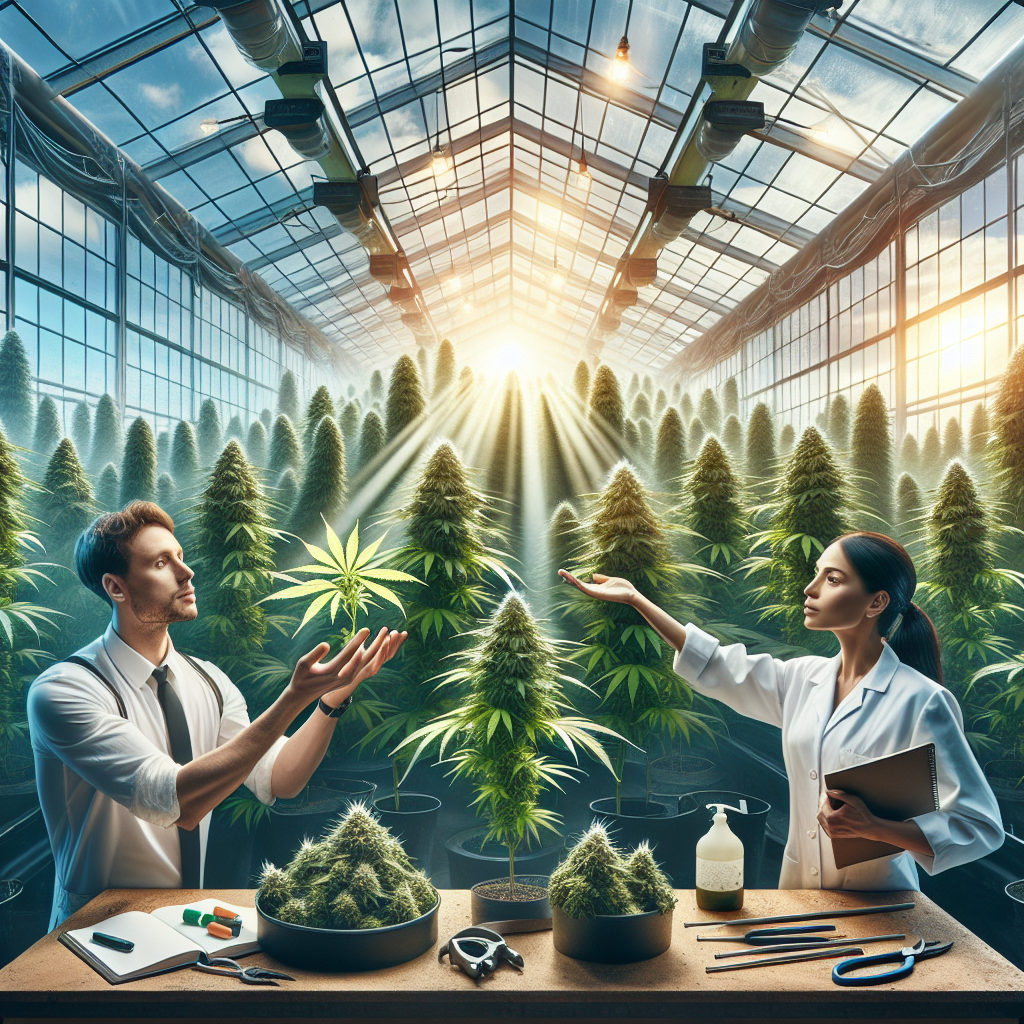
As cannabis cultivation gains momentum worldwide, growers are increasingly looking toward sustainable methods to enhance their harvests. One of the most effective and environmentally friendly approaches is harnessing natural sunlight. By understanding how to optimize this vital resource, cultivators can enjoy healthy, robust plants and higher yields. In this article, we’ll explore the significance of natural light in cannabis growth, practical tips for leveraging it effectively, and answer some frequently asked questions.
The Importance of Light in Cannabis Growth
Light is a fundamental element in the growth of cannabis plants. It drives photosynthesis, the process through which plants convert light energy into chemical energy, enabling them to grow, flower, and produce the cannabinoids and terpenes that many seek for medicinal or recreational use. Understanding the light spectrum and its effects on plant development is crucial.
1. Light Spectrum and Plant Growth Stages
Cannabis plants thrive on a broad spectrum of light, but different wavelengths have distinct effects at various growth stages.
-
Blue Light (400-500 nm): During the vegetative stage, blue light promotes strong, compact growth and helps to develop the plant’s structure.
- Red Light (600-700 nm): In the flowering stage, red light encourages blooming, resin production, and cannabinoid development.
Cultivators should aim to provide an appropriate light spectrum throughout the plant’s lifecycle by harnessing natural light strategies.
2. Benefits of Natural Sunlight
Utilizing natural sunlight offers several advantages over artificial lighting:
-
Cost Efficiency: Sunlight is free. By growing outdoors or in a greenhouse, cultivators can significantly reduce their energy costs associated with artificial lighting.
-
Quality of Light: Natural sunlight provides a full spectrum of light, which is essential for comprehensive plant growth. This includes UV light, which can stimulate increased resin production and enhance flavor.
- Sustainability: Harnessing natural resources contributes to eco-friendly practices in cannabis cultivation, appealing to a growing market that prioritizes sustainability.
Best Practices for Harnessing Natural Light
To make the most of natural light, growers can implement several techniques that optimize exposure and ensure healthy cannabis plants.
1. Location and Orientation
Selecting the right location is crucial for maximizing sunlight exposure. Here are some key considerations:
-
Sunlight Exposure: Choose a site that receives at least 6-8 hours of direct sunlight daily. Avoid areas shaded by trees, buildings, or other structures.
- Orientation: Ideally, plant your cannabis in a north-south orientation to maximize exposure to the sun throughout the day.
2. Greenhouse Cultivation
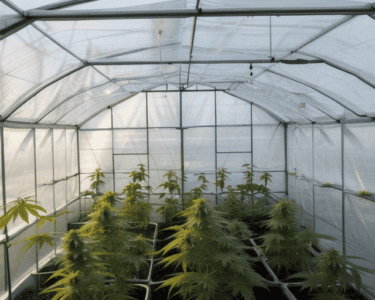
For those in areas with harsh climates or shorter growing seasons, greenhouses can bridge the gap between outdoor and indoor cultivation:
-
Materials: Use clear materials that allow maximum light penetration—polycarbonate or glass are optimal.
- Supplemental Lighting: In regions with extended periods of overcast weather, consider using supplemental lighting for a balanced light spectrum, particularly during the vegetative phase.
3. Pruning and Training Techniques
To ensure all parts of the plant receive adequate light, consider employing training methods such as Low Stress Training (LST) and topping.
-
LST: Gently bend and tie down branches to create an even canopy, allowing more light to reach lower nodes.
- Topping: Cutting the main stem encourages side branching, leading to a more bushy plant that can take better advantage of sunlight.
4. Seasonal Timing
The timing of planting is crucial.
-
Outdoor Growing: Begins in late spring after the last frost, taking advantage of the longer daylight hours during summer.
- Flowering Time: Keep in mind that cannabis typically begins to flower as days shorten in late summer to early autumn; understanding your local climate can help you plan for optimal harvest times.
FAQs
Q1: Can cannabis be grown indoors using only natural light?
A1: Yes, while natural light can be beneficial, indoor growers often rely on supplemental lighting to create optimal conditions year-round, regardless of weather conditions.
Q2: What if I live in a region with limited sunlight?
A2: If sunlight is limited, consider using reflective materials to optimize light exposure, or invest in grow lights with adjustable spectrums to mimic natural sunlight.
Q3: Is there a specific light cycle I should maintain?
A3: During the vegetative stage, a light cycle of 18-24 hours of light is optimal, while during flowering, a cycle of 12 hours of light and 12 hours of uninterrupted darkness is ideal.
Q4: How does UV light affect cannabis plants?
A4: UV light, particularly UVB, can enhance resin production and increase cannabinoid levels, potentially improving the potency of the final product.
Q5: How should I monitor my plants’ exposure to sunlight?
A5: Regularly assess the growth patterns of your plants. If you notice uneven growth, it may indicate poor light distribution and adjustments may be needed.
Conclusion
Harnessing natural light not only enhances the health and yield of cannabis plants but also aligns with sustainable farming practices. By considering factors such as location, cultivation methods, and plant training techniques, growers can successfully cultivate vibrant cannabis plants that thrive in their natural environment. Whether you’re a beginner or an experienced cultivator, utilizing natural light can truly transform your cannabis-growing experience.
[ad_2]