
 By
By [ad_1]
In recent years, the cannabis industry in the United States has witnessed an unprecedented transformation, spurred on by the legalization wave sweeping across numerous states. As cultivation becomes more mainstream, the demand for efficient, sustainable growing methods intensifies. One of the most promising approaches is the use of controlled greenhouses, which combine the advantages of traditional outdoor cultivation with the precision and adaptability of modern technology. This method not only enhances the quality of cannabis but also ensures environmental sustainability—a crucial factor as the industry continues to grow.
The Shift to Controlled Greenhouses
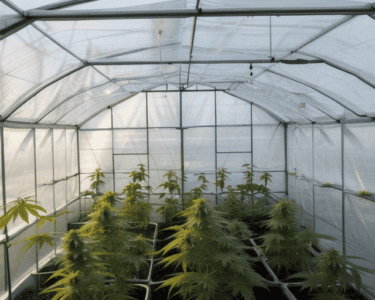
Controlled greenhouses offer a middle ground between indoor and outdoor cultivation. Unlike traditional grow tents or indoor facilities that rely heavily on artificial lighting and temperature controls, a controlled greenhouse harnesses natural sunlight while allowing for climate regulation. This method uses advanced systems for heating, cooling, and humidity control, thus optimizing the growing conditions year-round. With the U.S. cannabis market set to surpass $41 billion by 2025, according to industry reports, growers are increasingly looking for efficient ways to maximize yield and quality amidst growing demand.
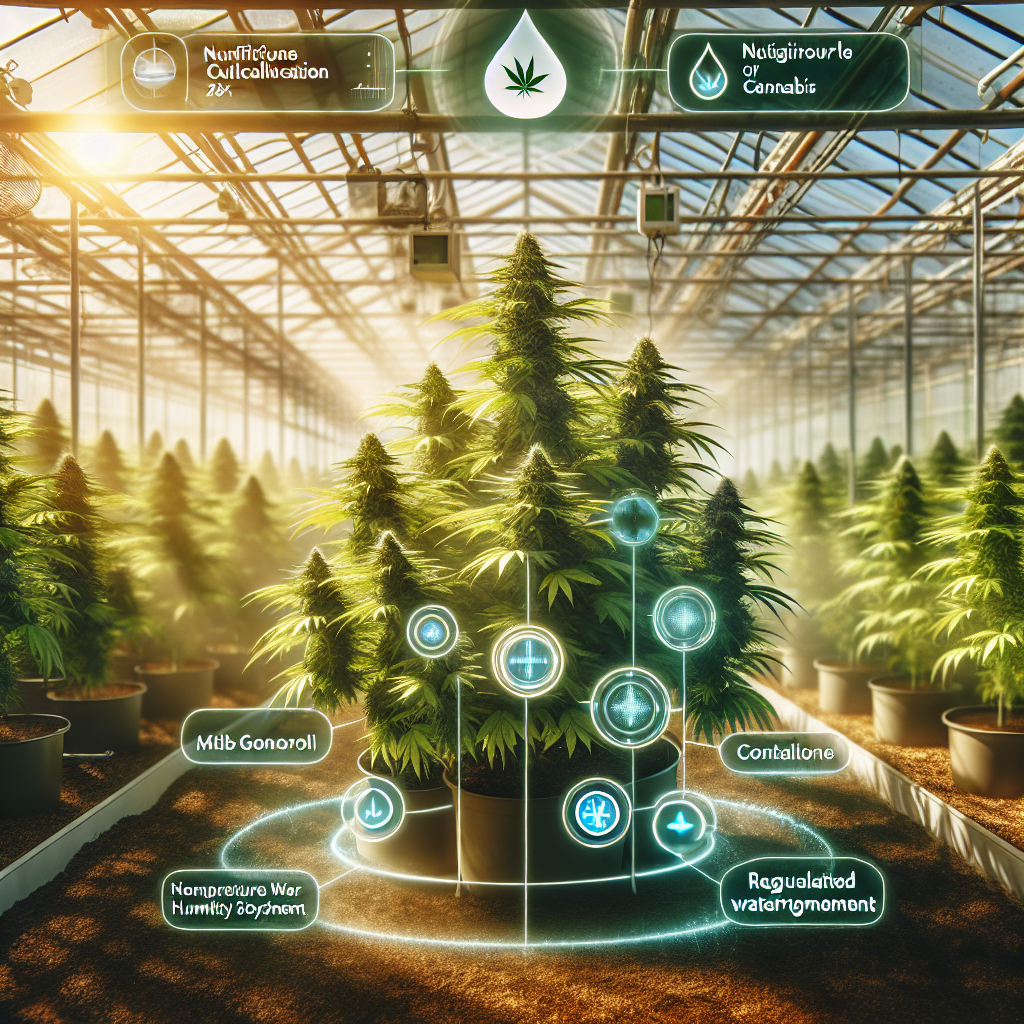
Recent advancements in greenhouse technology are driving this trend. For instance, many growers are now incorporating automated environmental control systems that utilize sensors to monitor temperature, humidity, light levels, and CO2 concentration. These systems not only help in maintaining a stable environment but can also identify potential issues before they escalate, ensuring healthier plants and reduced pest impact.
Natural Versus Artificial: The Sustainable Approach
One of the primary advantages of controlled greenhouses is the ability to utilize natural resources effectively. By integrating alternative energy sources such as solar panels, growers can significantly reduce their carbon footprint and operational costs. A recent pilot initiative in California showcased a greenhouse that was able to cut energy expenses by 50% while increasing yield stability across various seasonal changes.
Moreover, controlled greenhouses can recycle water through advanced irrigation systems that minimize waste. As water scarcity continues to be a pressing concern in many regions, especially in the West, this method addresses both environmental and economic challenges. Experts emphasize that sustainable practices in cannabis cultivation not only benefit the growers but also enhance consumer confidence. As a result, brands emphasizing sustainability find themselves favored in a competitive market.
Meeting Regulatory and Quality Standards
The regulatory landscape surrounding cannabis cultivation remains complex, with varying rules depending on the state. Controlled greenhouses offer a distinct advantage in adhering to stringent quality and safety standards imposed by local governments. By optimizing growing conditions and utilizing clean materials, cultivators can produce cannabis that meets compliance checks while maintaining high potency and low contaminant levels.
Furthermore, the controlled environment in these greenhouses minimizes exposure to external pathogens and pests. In traditional outdoor settings, cannabis can be prone to diseases and infestations, which may require chemical treatments detrimental to both the environment and consumer health. Controlled greenhouses mitigate these risks with integrated pest management systems and organic farming practices, enabling cultivators to yield a product that is not only legal but also safe and eco-friendly.
The Role of Data and Technology
The integration of smart technology in controlled greenhouse cultivation cannot be overstated. Data analytics plays a pivotal role in guiding agronomic decisions—ranging from seed selection to harvest timing. Update-on-the-ground tools are becoming widespread among cannabis growers, offering insights that inform everything from nutrient delivery to crop rotation practices.
For instance, recent technological advancements have enabled cultivators to track plant growth in real time, using sensors that relay data about plant health and environmental conditions. By employing machine learning algorithms, growers can analyze historical data to predict trends and optimize yield. This real-time adaptability helps combat challenges such as fluctuating market prices and varying consumer preferences, creating a responsive growing model that can pivot to meet changing demands.
Challenges and Future Prospects
Despite the many advantages, controlled greenhouse cultivation isn’t without challenges. High initial setup and operational costs can deter smaller growers from making the transition, impacting the democratization of cannabis cultivation. However, numerous financing options and incentive programs are emerging, particularly in states with legal cannabis markets. Collaboration among local governments, universities, and the private sector may pave the way for knowledge sharing and technological advancement, lowering barriers for entry and enhancing overall industry viability.
As cannabis continues to gain acceptance—both medically and recreationally—the use of controlled greenhouses promises to be a significant player in its agricultural landscape. Industry experts predict that as techniques evolve and sustainability becomes a non-negotiable requirement, controlled greenhouses will likely play a crucial role in the future of cannabis cultivation in the U.S.
Conclusion: A Sustainable Future Awaits
As the cannabis industry progresses, understanding and enhancing cultivation methods through innovative greenhouse technologies is imperative. Control over environmental factors, combined with sustainable practices, not only fosters superior quality cannabis but fortifies the industry against the challenges ahead. The responsibility lies not only with growers but also with consumers and policymakers, who must navigate the evolving landscape toward a more sustainable future.
Reflecting on the path forward, it becomes clear that the intersection of nature and technology holds the key to optimizing cannabis cultivation. The real question remains: will we harness this potential to cultivate not just a commodity, but a movement that prioritizes environmental stewardship and community wellbeing? The answer hinges on our willingness to embrace sustainable practices now, shaping the legacy of cannabis for generations to come.
[ad_2]