
 By
By [ad_1]
How 420 Festivals Are Changing Perceptions of Cannabis in the United States
The annual observance of April 20, or 4/20, has evolved into a cultural phenomenon far beyond its roots in counterculture. Once stigmatized and associated with underground movements, cannabis is gradually becoming mainstream, thanks largely to the celebration of 420 festivals across the United States. These events are not only about cannabis consumption but also aim to educate, challenge stereotypes, and bring together communities, contributing significantly to the evolving perceptions surrounding this once-taboo plant.
The Origins of 420 and Its Cultural Evolution
The term “420” originated in the early 1970s, linked to a group of high school students in California who would meet at 4:20 PM to smoke cannabis. Over the decades, this innocuous meeting time has morphed into a symbol of cannabis culture, championing advocacy for legalization and responsible use. Today, the celebration of 4/20 serves as a platform for social, cultural, and political discourse on cannabis as many states continue to reevaluate their laws around its use. With legalization efforts gaining momentum across the country, 420 festivals have become an essential part of the conversation around cannabis, redirecting focus toward its merits and potential benefits.
The Rise of 420 Festivals
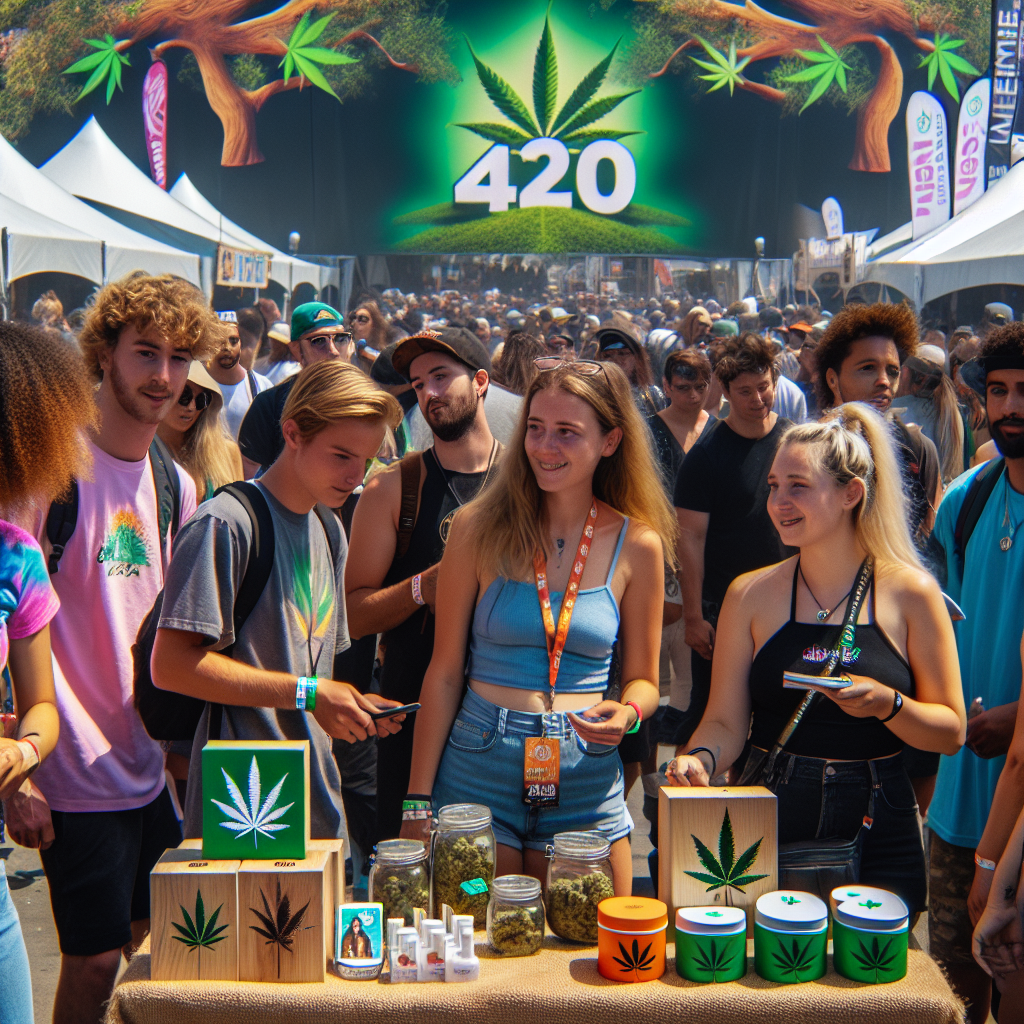
Celebrated in cities from Denver to Los Angeles, these festivals are massive gatherings that include concerts, educational panels, cannabis vendors, and wellness activities. In 2023, festivals like the Denver 420 Festival and the California Cannabis Festival witnessed record attendance, drawing in participants from all walks of life. This broad participation reflects a shift in perception—cannabis is not just for connoisseurs but is welcomed into the social fabric of American life, with attendees being diverse in age, background, and experiences.
A notable trend in recent years is the inclusion of educational components at these festivals. Sponsored seminars and workshops aim to inform attendees about the benefits, risks, and legal aspects of cannabis use. For instance, discussions about dosing, the medical applications of cannabis, and navigating state regulations are increasingly common. Such educational efforts are paramount in dispelling myths surrounding cannabis use and promoting responsible consumption, signaling a major shift from the earlier “just say no” mentality.
The Role of Legislation
The impact of legislation cannot be overlooked when discussing the changing perceptions of cannabis in America. As of 2023, over 20 states and Washington D.C. have legalized recreational cannabis use, while medical cannabis is permitted in many more. This evolving legal landscape has made it feasible for festivals to thrive, where cannabis can be consumed openly, creating a celebratory atmosphere that demystifies its use. Moreover, local lawmakers often attend these events, furthering dialogue and fostering community connection.
The push for social equity in cannabis legislation is another theme that has surfaced in recent years. While 420 festivals highlight the positive aspects of cannabis culture, they also serve as venues for advocacy. Many festivals have integrated discussions about racial justice, emphasizing the disproportionate impact of cannabis prohibition on minority communities. Organizations and speakers at these events often focus on the importance of fair policies that provide opportunities for those most affected by past cannabis laws. This acknowledgment fosters a sense of responsibility within the cannabis community and encourages positive activism.
Economic Implications
The economic implications of cannabis legalization are profound, further solidifying its acceptance in American culture. The cannabis industry has become a multi-billion-dollar sector, generating employment and increasing tax revenues for states. Festivals are integral to this economy, acting as platforms for cannabis-related businesses ranging from growers and dispensaries to manufacturers of cannabis-infused products. According to industry reports, events focused on cannabis can draw immense crowds and spending, showcasing its potential to boost local economies while normalizing cannabis consumption.
As businesses align themselves with the growing cannabis culture, they seek to establish their brands during these festivals, effectively normalizing cannabis in the public eye. This exposure not only enhances consumer knowledge but also promotes a sense of community among those advocating for cannabis acceptance, helping to shift societal views.
A New Era of Perception
Despite significant progress, challenges remain in changing perceptions around cannabis. Many individuals still carry biases rooted in decades of misinformation and stigmatization. However, the momentum generated by 420 festivals, combined with increased representation and advocacy, plays a crucial role in contesting these outdated beliefs. As participants bond over shared interests, they exchange experiences that humanize cannabis use, dismantling stereotypes one story at a time.
As we look towards the future, the influence of 420 festivals in transforming the narrative surrounding cannabis cannot be understated. They serve not only as celebrations but also as forums for education, advocacy, and community building. As cannabis legalization continues to spread across the United States, the conversations and connections fostered in these festival settings will be instrumental in shaping future perceptions—a collective movement toward normalization.
Conclusion
The rise of 420 festivals represents a profound cultural shift in how cannabis is perceived in the United States. From mere celebrations of counterculture to platforms for education and advocacy, these festivals are instrumental in fostering a more nuanced understanding of cannabis. As societal acceptance continues to grow alongside legislative change, the message promoted at these gatherings will heavily influence generations to come. Reflecting on the progress made, it is crucial to recognize the potential that lies ahead—an opportunity for a more informed, inclusive, and accepting society when it comes to cannabis use. The ongoing evolution of 420 festivals stands as a testament to this transformative journey.
[ad_2]