
 By
By [ad_1]
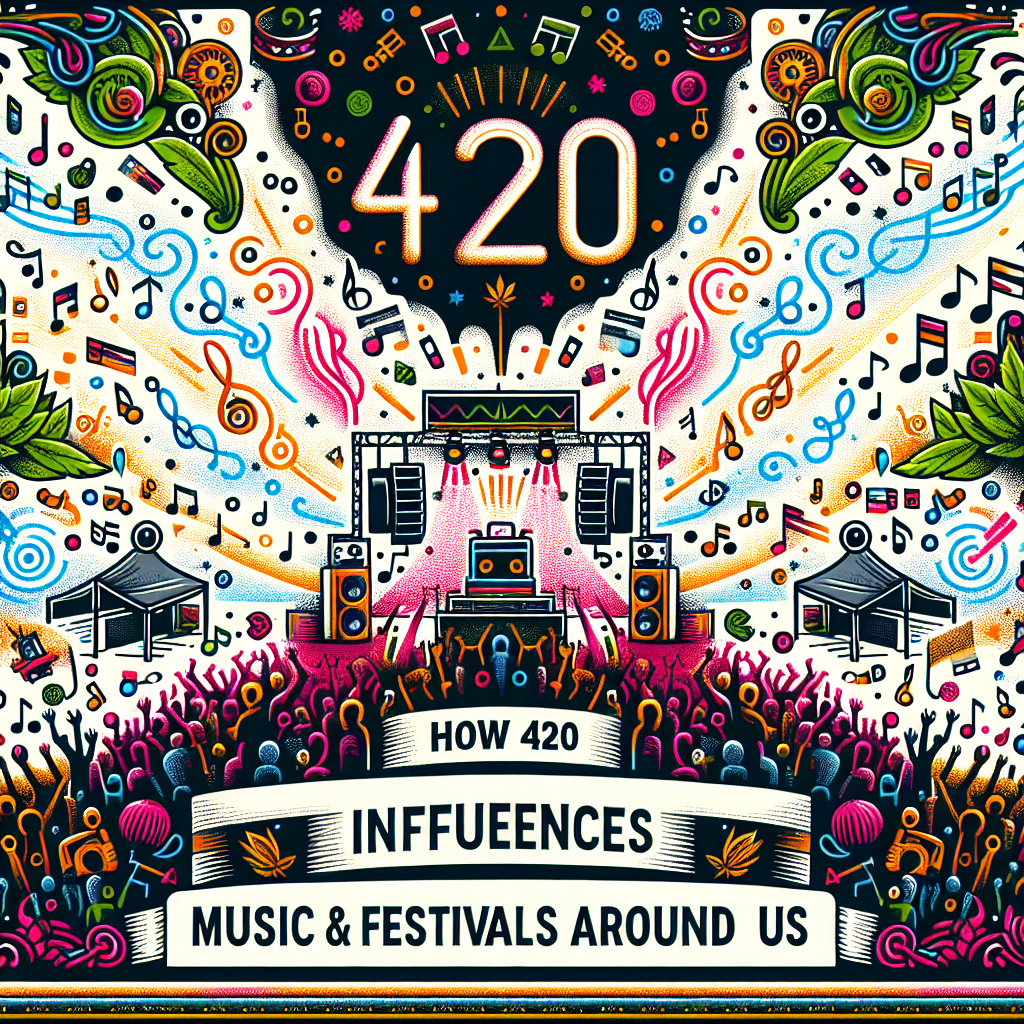
How 420 Influences Music and Festivals Around Us in the United States
The influence of cannabis culture—widely recognized by the term “420”—extends far beyond casual use. In the United States, where legalization efforts have gained tremendous momentum over the past decade, cannabis has become interwoven with music and festival culture. This article explores how the acceptance and celebration of cannabis have shaped musical genres, festival experiences, and the broader cultural landscape of America.
The Rise of 420 in the Cultural Lexicon
The origins of “420” are rooted in a group of California teenagers who, in the early 1970s, used the term as a code for smoking marijuana after school. Fast forward to today, and “420” is not just a time for smoking weed; it has evolved into a cultural phenomenon celebrated each year on April 20th, or 4/20. What began as a niche subculture has grown to encompass a wide array of events, merchandise, and even legislation surrounding cannabis use. With the legalization of recreational marijuana in states such as California, Colorado, and Illinois, cannabis culture has gained unprecedented visibility. The shift in public perception has paved the way for 420-themed music festivals, recreational smoke lounges, and pop-up events celebrating cannabis-centric creativity.
Musical Genres Embracing 420
Music has long been a medium for expressing both personal and societal messages, and the intersection of cannabis and music is no exception. Genres like reggae, hip-hop, and jam bands have historically celebrated marijuana, with artists often using the drug to enhance creative expression. Bob Marley’s reggae anthems and the psychedelic sounds of bands like Grateful Dead have become almost synonymous with cannabis culture, laying the groundwork for a vibrant musical tradition.
In recent years, festivals like Coachella, Bonnaroo, and the High & Dry Fest have embraced this enduring connection. Coachella, for instance, hosts secret “weed lounges” where festival-goers can consume cannabis products. The integration of cannabis companies as major sponsors highlights a growing acceptance, allowing attendees to partake in cannabis use in designated areas. This melding of music and cannabis culture speaks to an evolving narrative, one that is becoming increasingly mainstream.
Cannabis Festivals: A New Frontier
As marijuana legalization spreads across the United States, cannabis festivals are cropping up all over the landscape, serving as a confluence of music, art, and education. Events such as the Cannabis Cup and the Emerald Cup not only celebrate cannabis cultivation and consumption but also feature live music, art installations, and educational seminars. These events create a unique community atmosphere that attracts cannabis enthusiasts, music lovers, and curious onlookers alike.
Moreover, the multi-day 420 festivities now draw significant crowds, echoing the glitz of mainstream music festivals. For instance, last year’s 4/20 celebrations at the Santa Rosa Fairgrounds in California attracted thousands, with performances ranging from local bands to renowned artists. The cannabis industry has also identified these gatherings as valuable marketing opportunities, partnering with brands to offer product samples and educational experiences that elevate the consumer experience.
Current Trends in Music Festivals and Cannabis
The synergy between cannabis culture and music festivals is evolving with current trends toward greater inclusivity and education. The concept of “responsible consumption” is gaining traction, as festival organizers are increasingly making efforts to inform attendees about dosage and safety. Some events even feature panels and workshops focused on responsible use, breaking down the stigma surrounding cannabis consumption.
Another notable trend is the rise of cannabis-infused beverages and edibles that are becoming popular festival staples. These products present an alternative to traditional smoking, catering to a broader audience. As a result, many festivals have begun designating “cannabis-friendly” areas, allowing attendees to enjoy their experiences without fear of legal repercussions or social stigma.
The Judicial Landscape
While cannabis culture thrives in many states, legal hurdles remain. The federal government’s classification of cannabis as a Schedule I substance complicates issues surrounding transportation and sales at music festivals. Organizers must be meticulous about compliance with local laws, frequently consulting with legal experts to navigate the complex landscape. The recent push for federal legalization could ease these constraints, offering new opportunities for festivals to expand their offerings and attract larger crowds.
Additionally, many artists are increasingly vocal about their experiences with cannabis, using their platforms to advocate for legalization and social justice. Hip-hop artists like Wiz Khalifa and Snoop Dogg often incorporate cannabis themes into their music, while simultaneously supporting efforts to reform cannabis laws and address the disproportionate impact of drug enforcement on communities of color.
Conclusion: A Cultural Transformation
As we look to the future, the cultural transformation surrounding cannabis in the music and festival scene is undeniable. With public perception shifting positively and many states embracing legalization, the integration of cannabis culture into mainstream events is likely to deepen. The collaborative nature of music and cannabis offers a mosaic of creative expression that transcends boundaries, fostering community and inclusivity.
For many, attending a music festival has become not just a break from everyday life, but a celebration of freedom in expression, culture, and experience. As “420” continues to shape the musical landscape, it also compels us to reflect on broader social issues related to legalization and the ethical considerations surrounding the cannabis industry. The story of cannabis in music and festivals is still being written, and as new chapters unfold, we are all invited to partake in this evolving narrative.
[ad_2]