

 By
By How Cannabis Can Enhance Mental Wellness Naturally in the United States
Over the past few decades, the perception of cannabis has transformed dramatically in the United States, shifting from a largely stigmatized substance to a recognized therapeutic agent. As more states legalize recreational and medicinal use, increasing numbers of individuals are exploring cannabis to support mental wellness. Scientific research, anecdotal evidence, and current developments in legal frameworks all converge to highlight how cannabis can serve as a natural and effective means for enhancing mental health.
Understanding Cannabis’s Role in Mental Health
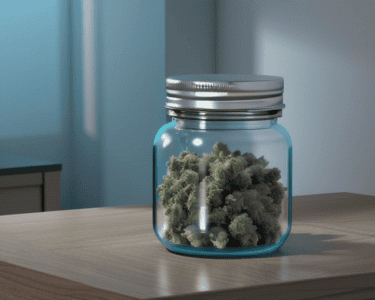
Cannabis contains numerous compounds, the most notable being cannabinoids like tetrahydrocannabinol (THC) and cannabidiol (CBD). Each of these compounds impacts the brain and body differently, contributing to various therapeutic effects aimed at alleviating mental health disorders such as anxiety, depression, PTSD, and insomnia. Unlike many pharmaceutical solutions that can come with an array of side effects, cannabis offers a more natural alternative, presenting fewer risks of dependency or adverse reactions.
Recent research supports the therapeutic potential of cannabis. A 2022 study published in the Journal of Psychopharmacology found that patients using cannabis reported significant reductions in anxiety and depression symptoms. Moreover, CBD, in particular, has gained attention for its anxiolytic properties without the psychoactive effects typically associated with THC, making it a popular option among those seeking relief without the “high.”
Current Trends in Cannabis Usage for Mental Wellness
As legal frameworks surrounding cannabis evolve, its use in mental health care is on the rise. According to a 2023 report by the Pew Research Center, nearly 60% of Americans believe that cannabis should be legalized for both medicinal and recreational purposes. States like California and Colorado have set the precedent, offering local dispensaries with staff capable of guiding consumers through strains and products that might best suit their needs.
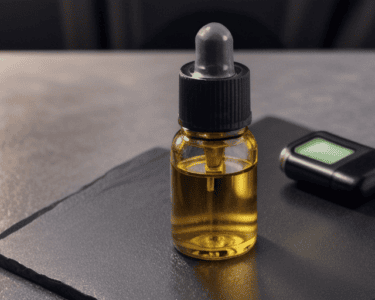
Furthermore, specialty cannabis products targeting mental wellness continue to emerge. Edibles infused with specific ratios of THC and CBD are designed to enhance therapeutic effects. For instance, products combining CBD with lower doses of THC aim to provide relaxation without overwhelming psychoactive experiences. Companies have started focusing on developing formulations designed specifically for mental wellness, enabling more accessible and effective pathways to alleviate stress and anxiety.
The Expert Perspective: Insight from Mental Health Professionals
Mental health professionals are beginning to incorporate cannabis into their therapeutic toolkits, acknowledging its potential benefits. Dr. Ethan Russo, a cannabis expert and neurologist, emphasizes the importance of patient education. He advocates for a cautious approach that involves understanding individual responses to cannabis, suggesting that what works for one person may not work for another. He notes that the entourage effect—the interaction between various cannabinoids and terpenes—can significantly influence the therapeutic outcomes, which means individuals may need to experiment to find their ideal strain or product.
However, experts like Dr. Russo also caution against unregulated use, calling for clinical guidelines and standardized dosing to minimize risks and increase efficacy. This balanced perspective encourages users to approach cannabis as a complementary tool rather than a standalone solution, advocating for it to be part of a broader mental health strategy that includes therapy, lifestyle changes, and other natural supplements.
Addressing the Stigma Surrounding Cannabis
Despite increasing acceptance, stigma surrounding cannabis use remains a barrier for many interested in exploring its mental wellness benefits. The negative connotations tied to marijuana can deter individuals from seeking out treatment or discussing their use with healthcare providers. A survey conducted in 2022 by the American Psychological Association revealed that many individuals still perceive cannabis as a harmful substance, limiting its acceptance within traditional healthcare settings.
However, as education efforts grow and more research emerges, this stigma appears to be fading. Prominent public figures, from athletes to celebrities, openly discuss their use of cannabis for mental health, helping normalize the conversation. Social media platforms are also abundant with stories about how individuals have turned to cannabis as a remedy for anxiety and depression, contributing to the growing narrative of empowerment through natural remedies.
Looking Ahead: The Future of Cannabis in Mental Health Care
The future of cannabis in enhancing mental wellness appears promising. As more states begin to decriminalize and regulate its use, the potential for research funding increases, paving the way for deeper exploration into its long-term effects and benefits. The National Institutes of Health (NIH) and other organizations are beginning to prioritize studies on cannabis, signaling a shift towards a more nuanced understanding of its role in mental health.
As legislation continues to evolve, it is crucial for mental health professionals to engage with emerging research to effectively integrate cannabis into their practices. This will not only reinforce its position as a legitimate therapeutic option but also ensure that individuals can access safe, effective, and personalized treatment plans.
Conclusion: Empowering Natural Wellness Through Cannabis
The landscape of mental wellness in the United States is changing, with cannabis emerging as a viable natural option for many seeking relief from mental health issues. As the body of research grows and attitudes shift, cannabis has the potential to transform how we view and treat mental health disorders. The journey towards mental wellness is often multifaceted, requiring a comprehensive approach that includes open conversations, education, and individualized care. For many, cannabis may serve as a beacon of hope—a natural remedy facilitating not only a sense of relief but also empowerment in their mental health journey. As this conversation continues, it is essential to remain informed and engaged, advocating for both responsible use and recognition of the therapeutic potential that cannabis can offer.