
 By
By [ad_1]
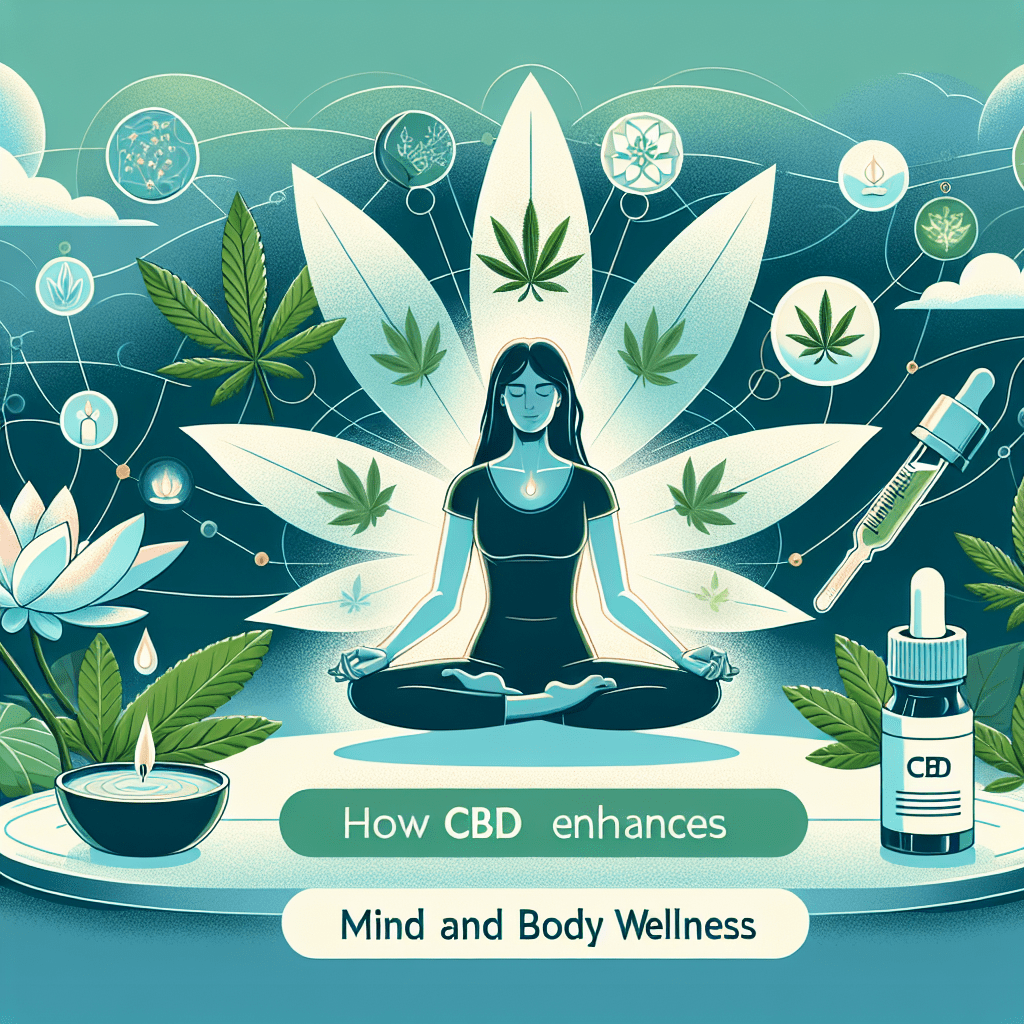
In recent years, cannabidiol, commonly known as CBD, has emerged as a powerful player in the wellness industry. Derived from the cannabis plant, CBD is non-psychoactive, meaning it does not produce the “high” associated with marijuana. Instead, it offers a range of potential benefits that are becoming increasingly recognized across the United States. As more individuals seek natural alternatives for health and wellness, CBD is gaining traction not only for its potential therapeutic effects but also for its ability to enhance overall mind and body wellness.
The Science Behind CBD
First, it is pivotal to understand how CBD interacts with the body’s endocannabinoid system (ECS). This complex signaling system plays a crucial role in regulating various physiological processes, including mood, sleep, appetite, and immune function. Experts suggest that CBD can modulate the ECS, providing therapeutic benefits such as anxiety reduction and improved sleep quality. According to a recent study released by the National Institute of Health, individuals who incorporated CBD into their daily routines reported significant improvements in anxiety levels and overall mood.
The increasing interest in CBD has also spurred significant research into its potential benefits. A meta-analysis published in “Frontiers in Psychology” highlighted that CBD can have anti-anxiety effects, making it an appealing option for those looking to manage stress and anxiety disorders. While further research is necessary, these findings position CBD as a promising alternative to traditional pharmaceutical interventions, which often come with unwanted side effects.
CBD for Mental Wellness
As mental health awareness continues to rise in the United States, the demand for natural coping mechanisms has surged. Many individuals today are seeking alternatives to pharmaceuticals that can often lead to dependency and side effects. A growing body of anecdotal evidence supports the use of CBD for conditions such as anxiety, depression, and PTSD.
Organizations like the Anxiety and Depression Association of America (ADAA) have begun to acknowledge the potential of CBD to alleviate symptoms. The market has responded accordingly, with CBD-infused products rapidly appearing in various forms—from oils and edibles to skincare. The recent legalization of hemp-derived CBD at the federal level has also made it more accessible, empowering individuals to explore its potential benefits. Manufacturers are working to ensure their products undergo third-party testing for safety and efficacy, allowing consumers to make informed choices.
Current Trends in the CBD Market
Market trends show that consumers increasingly prefer natural solutions to health issues. According to data from a 2022 study by Grand View Research, the U.S. CBD market is projected to exceed $47 billion by 2028, driven by growing consumer awareness and demand for effective alternatives. The rise of CBD-focused wellness brands highlights how far the market has come, with companies prioritizing quality and transparency in their offerings. High-quality CBD products, often labeled as full-spectrum or broad-spectrum, are designed to preserve other beneficial compounds found in the cannabis plant, further enhancing their therapeutic effects.
Social media has played a significant role in this trend, allowing individuals to share personal experiences and findings about CBD’s effects on mental wellness. Influencers and health advocates have contributed to the movement by highlighting stories of personal success in managing conditions like anxiety and insomnia. However, potential customers should remain discerning and seek products that have been rigorously tested, ensuring they are safe and effective.
CBD for Physical Wellness
The use of CBD extends beyond mental wellness and into the realm of physical health. Athletes and fitness enthusiasts are increasingly exploring its anti-inflammatory properties, making it a popular choice for post-workout recovery. There is growing evidence that CBD can help manage chronic pain and inflammation, offering an alternative to traditional pain relievers that may carry risks of dependency or adverse side effects.
An enlightening 2023 study from the Journal of Pain Research found that patients with chronic pain experienced significant improvements when using CBD-based therapies. This has led to greater advocacy for integrating CBD into standard treatment protocols for pain management. The increasing acceptance among healthcare providers paves the way for patients to have open discussions about incorporating CBD into their wellness routines.
The Regulatory Landscape
Despite its benefits, the regulation surrounding CBD remains complex. While the 2018 Farm Bill legalized hemp-derived CBD, the FDA’s stance on CBD regulation in products and health claims has been less clear. The agency has stated that more research is needed to fully understand the efficacy and safety of CBD across various applications. Consumers are encouraged to be cautious, as unregulated products can vary widely in quality and potency.
Organizations are calling for stricter regulations to ensure that consumers receive safe and effective CBD products. Ongoing discussions within the government and industry stakeholders indicate that clearer guidelines may be on the horizon, which could ultimately strengthen consumer confidence.
Conclusion
As the pursuit of mind and body wellness continues to evolve, CBD stands out as a fascinating option. Its potential psychoactive properties, supported by emerging scientific research and market trends, make it a frontrunner in the natural health arena. However, the importance of informed consumer choices cannot be overstated. As regulations evolve and research deepens, CBD may well transform our approach to holistic health. In reflecting on CBD’s role in enhancing wellness, individuals must remain thoughtful and informed, ensuring that they navigate this promising landscape wisely. The journey toward comprehensive health and wellness is just beginning, and CBD may play a pivotal role in reshaping how we think about mental and physical well-being.
[ad_2]