 By
By [ad_1]
The cannabis industry in the United States is undergoing a seismic transformation, driven largely by innovations in cultivation technology. As states continue to legalize cannabis for both medicinal and recreational use, cultivators are increasingly turning to advanced techniques and technologies to improve efficiency, yield, and quality. From automated growing systems to cutting-edge genetics, these innovations are not just shaping the future of cannabis cultivation; they are also redefining the industry landscape itself.
A Green Rush: Understanding the Cannabis Industry Landscape
The legalization of cannabis in various states has opened the floodgates for a burgeoning industry. With legal markets valued at billions of dollars, the competition among growers has intensified. However, the rapid growth also brings challenges: regulatory hurdles, fluctuating market demands, and the constant need to improve quality and reduce costs. To remain competitive, cultivators are investing heavily in technological advancements that can enhance their operations.
Innovations in cultivation technology have become vital for addressing these challenges. For instance, techniques such as hydroponics and aeroponics allow cultivators to grow cannabis with minimal soil use, utilizing nutrient-rich water instead. This not only maximizes space but also reduces the time needed for growth. As these practices become more commonplace, they provide a glimpse into the future of sustainable agriculture.
Automation and Data Analytics: Powering the Cultivation Process
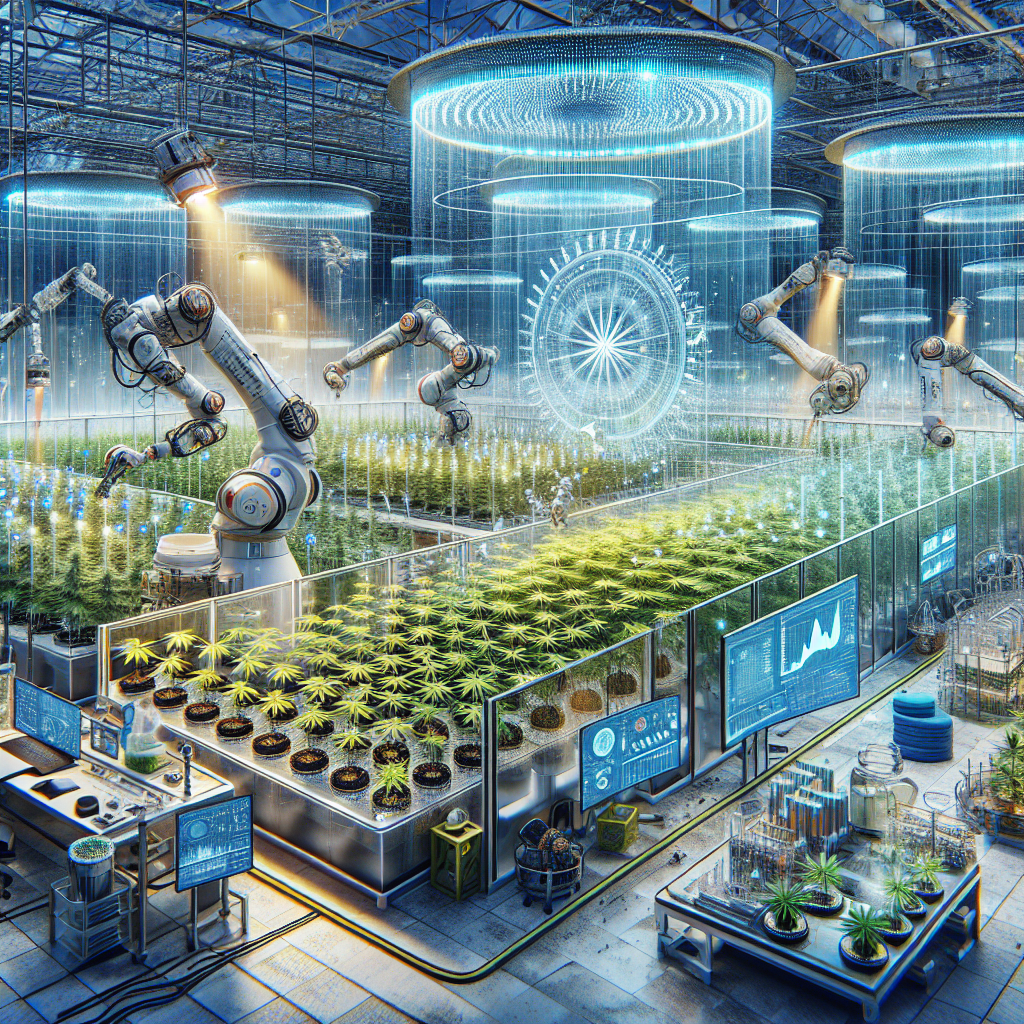
One of the most significant trends in cannabis cultivation innovation is the increasing reliance on automation and data analytics. Automated systems can monitor and control the growing environment, adjusting lighting, temperature, and humidity in real-time to create optimal growth conditions. Companies like Agra Tech and Grownetics are leading the charge, providing technological solutions that minimize human error and enhance productivity.
Data analytics plays a crucial role in this automation. By collecting and analyzing data from various sensors, cultivators can gain valuable insights into plant health and growth patterns. This data-driven approach enables them to make informed decisions, from nutrient management to pest control. Predictive analytics can even forecast potential crop yields, helping growers plan for harvests and reduce waste. As the saying goes, "What gets measured gets managed," and the cannabis industry is harnessing this wisdom through advanced data analytics.
Genetic Engineering and Hybridization: The New Frontier
The emergence of new cannabis strains is another facet of innovation in the cultivation sector. Genetic engineering and hybridization techniques are allowing cultivators to produce strains that are not only more potent but also resistant to disease and pests. This is a game-changer for an industry traditionally plagued by crop failures and inconsistencies.
Companies like Phylos Bioscience are at the forefront of this genetic revolution, offering services that map the cannabis genome. By understanding the genetic makeup of different strains, cultivators can make informed breeding choices that optimize traits like yield, flavor, and cannabinoid profiles. This scientific approach is not just about creating higher THC levels; it’s also about developing strains with higher CBD content for medicinal applications.
Sustainability: The Ethical Imperative
As the cannabis industry expands, sustainability has emerged as a critical focus. The environmental impact of cultivation—namely water usage, energy consumption, and land degradation—is prompting many cultivators to explore eco-friendly practices. Innovations such as vertical farming and organic farming methods are gaining traction, allowing for increased yield while minimizing resource usage.
Additionally, the integration of renewable energy sources, such as solar and wind, into cultivation facilities is becoming more common. Companies are recognizing that sustainable practices not only benefit the environment but can also enhance their brand image and appeal to an increasingly eco-conscious consumer base. As states regulate the industry, sustainability measures are making their way into compliance, pushing growers toward greener practices.
Current Events and Future Directions
As of 2023, the cannabis industry is witnessing rapid legislative changes, with several states moving toward legalization. This evolving legal landscape creates opportunities for technological innovation. For instance, states like New York and New Jersey are implementing strict compliance measures that require cultivators to utilize technology for tracking and reporting, creating a surge in demand for customized software solutions.
Moreover, research into cannabis cultivation technologies continues to grow. Universities and institutions are now developing dedicated programs in cannabis agronomy, focusing on sustainable practices and innovative cultivation methods. Such academic interest is paving the way for new generations of cultivators who are knowledgeable about both agriculture and technology.
Conclusion: The Future of Cannabis Cultivation
The innovations in cannabis cultivation technology are stirring a transformative wave in the U.S. cannabis industry. From automated growing systems to genetic advancements and sustainable practices, technology is playing a pivotal role in shaping the future. As growers face increasing competition and regulatory scrutiny, the adoption of these technologies will likely become essential for survival.
As consumers become more sophisticated and informed, they will be looking for high-quality, sustainably-grown products. For cultivators, the message is clear: embracing innovation isn’t just beneficial; it’s imperative. As we stand at the intersection of technology and agriculture, the questions we must consider are not only about business viability but also about the societal responsibility accompanying this burgeoning industry. The answers lie in the commitment to evolving methodologies, ethical practices, and, ultimately, delivering quality products to consumers. The future of cannabis is not just green; it’s intelligent, sustainable, and full of promise.
[ad_2]