
 By
By [ad_1]
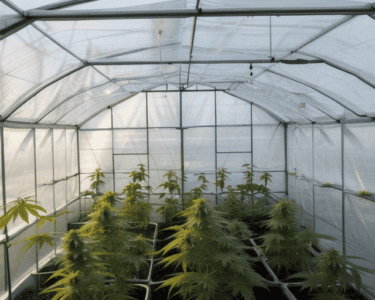
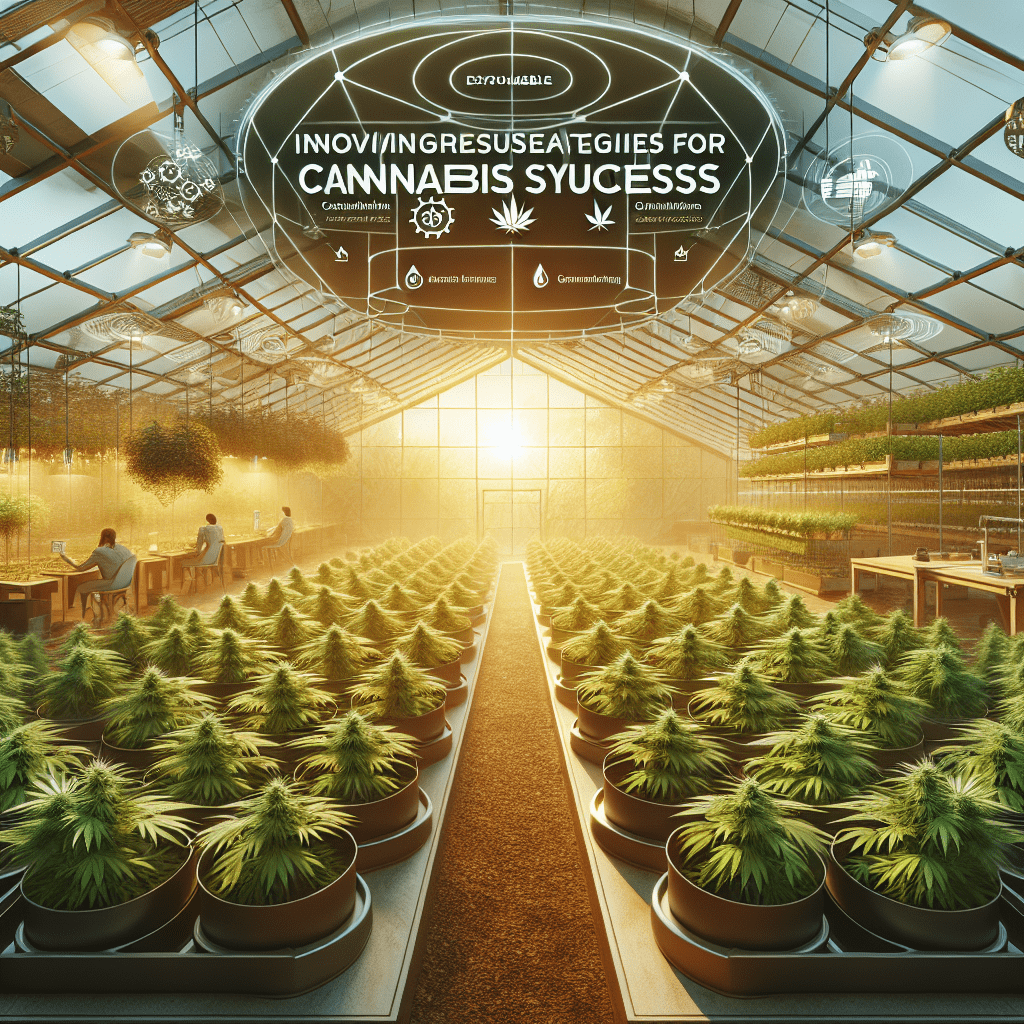
The cannabis industry has experienced a significant boom in recent years, driven by changing legal landscapes and growing consumer demand. As the market matures, innovative greenhouse strategies are emerging as pivotal tools for cultivating cannabis sustainably and effectively. These strategies not only improve yield and quality but also minimize environmental impact. Here, we explore several cutting-edge techniques that are shaping the future of cannabis cultivation in greenhouses.
1. Controlled Environment Agriculture (CEA)
Controlled Environment Agriculture is a method that creates an optimum environment for plant growth by meticulously managing factors such as temperature, humidity, light, and CO2 levels. In cannabis cultivation, CEA can lead to increased growth rates, higher yields, and improved quality of buds.
Benefits:
- Precision Control: By utilizing sensors and automation technology, growers can closely monitor and adjust environmental conditions, resulting in ideal growing circumstances.
- Year-Round Production: CEA allows for consistent crop cycles, regardless of external weather extremes.
2. Automated Systems
Automation is revolutionizing cannabis cultivation by decreasing labor costs and increasing efficiency. Automated systems can handle everything from irrigation to nutrient delivery.
Key Components:
- Smart Irrigation: Sensors measure soil moisture and automatically water plants when necessary, preventing over- or under-watering.
- Nutrient Dosers: Automated nutrient delivery systems ensure plants receive precise amounts of nutrients based on their growth stages.
3. Vertical Farming Techniques
Vertical farming involves stacking multiple layers of crops in a greenhouse, maximizing space and productivity. This method is particularly effective in cannabis cultivation, where high-density growing can significantly profit.
Advantages:
- Space Optimization: Vertical systems allow for more plants in the same footprint, leveraging available space efficiently.
- Enhanced Light Access: With proper light distribution, plants receive uniform light exposure, leading to more even growth.
4. Integrated Pest Management (IPM)
Sustainable pest management is critical for cannabis cultivation. Integrated Pest Management involves using biological, cultural, and mechanical practices to reduce pest populations while minimizing chemical use.
Effective Strategies:
- Beneficial Insects: Introducing predatory insects such as ladybugs can naturally control pest populations without harming the plants or the environment.
- Companion Planting: Certain plants can repel pests or attract beneficial insects, enhancing the overall health of the cannabis crop.
5. LED Lighting Solutions
The advent of LED technology has transformed indoor and greenhouse cannabis cultivation by providing customizable light spectrums that promote optimal growth.
Advantages of LEDs:
- Energy Efficiency: LEDs consume significantly less energy compared to traditional grow lights, resulting in lower operational costs.
- Custom Light Spectrum: Growers can tweak light spectrums to cater to specific growth stages, such as vegetative or flowering phases.
6. Hydroponic and Aquaponic Systems
Hydroponics allows cannabis to grow without soil, using a nutrient-rich water solution instead. Aquaponics combines hydroponics with aquaculture, creating a symbiotic environment for fish and plants.
Benefits:
- Faster Growth: Plants in hydroponic systems generally grow faster than those in soil.
- Water Conservation: Both systems use significantly less water than traditional soil-based cultivation methods.
7. Renewable Energy Integration
Utilizing renewable energy sources, such as solar and wind power, can dramatically lower the carbon footprint of cannabis cultivation in greenhouses.
Application:
- Solar Panels: Harnessing sunlight can power greenhouse operations, reducing reliance on fossil fuels.
- Energy Storage Systems: Incorporating batteries allows growers to store surplus energy for use during cloudy days or at night.
8. Advanced Data Analytics
Utilizing data analytics helps growers make informed decisions based on historical trends, current conditions, and predictive modeling. This approach enhances efficiency and productivity.
Tools and Techniques:
- Software Solutions: There are numerous agricultural software platforms designed specifically for indoor agriculture, including cannabis, to track progress, manage resources, and analyze growth patterns.
- Machine Learning: Some growers are using AI and machine learning models to predict problems before they occur, allowing for proactive management.
Conclusion
The cannabis industry stands at a crossroads where innovative greenhouse strategies not only promise to increase yields but also maintain sustainability. By adopting methods such as Controlled Environment Agriculture, automated systems, and renewable energy solutions, growers can enjoy improved efficiency and environmental responsibility. These strategies are not just about maximizing profit; they also contribute to the overall health of the planet.
FAQs
1. What is the main advantage of using controlled environment agriculture in cannabis cultivation?
Controlled Environment Agriculture offers precise control over environmental conditions, leading to optimized growth rates and potentially higher yields.
2. How do automated systems benefit greenhouse cannabis growers?
Automation reduces labor costs and increases efficiency by handling irrigation and nutrient delivery, allowing growers to focus on management rather than manual tasks.
3. What are the main benefits of hydroponic systems for cannabis growing?
Hydroponics allows for faster growth and uses significantly less water than traditional soil methods.
4. How can integrated pest management be implemented in cannabis cultivation?
IPM strategies include introducing beneficial insects and practicing companion planting to naturally control pest populations.
5. Why should growers consider renewable energy sources?
Using renewable energy can significantly reduce operational costs and lower the carbon footprint of cannabis cultivation, contributing to sustainability.
By exploring these innovative greenhouse strategies, cannabis cultivators can achieve remarkable success while ensuring a more sustainable future for the industry.
[ad_2]