

 By
By [ad_1]
Understanding THC and Its Effects
Tetrahydrocannabinol (THC) is the main psychoactive component found in cannabis. It is responsible for the “high” that users experience. THC interacts with the endocannabinoid system in the brain, affecting various functions such as mood, memory, appetite, and pain sensation. With the increasing acceptance of cannabis for both recreational and medicinal use, the question of THC’s potential for addiction has ignited a passionate debate within the scientific community and public discourse.
The Reality of THC Addiction
According to the National Institute on Drug Abuse (NIDA), around 9% of individuals who use cannabis will become dependent on it, and this number increases to about 17% for those who start using it during adolescence. The phenomenon of cannabis use disorder (CUD) is characterized by an inability to stop using cannabis despite negative consequences. Symptoms may include cravings, withdrawal symptoms, and impaired functioning in daily life.
Expert Opinions on THC Addiction
Support for the Addiction Concept
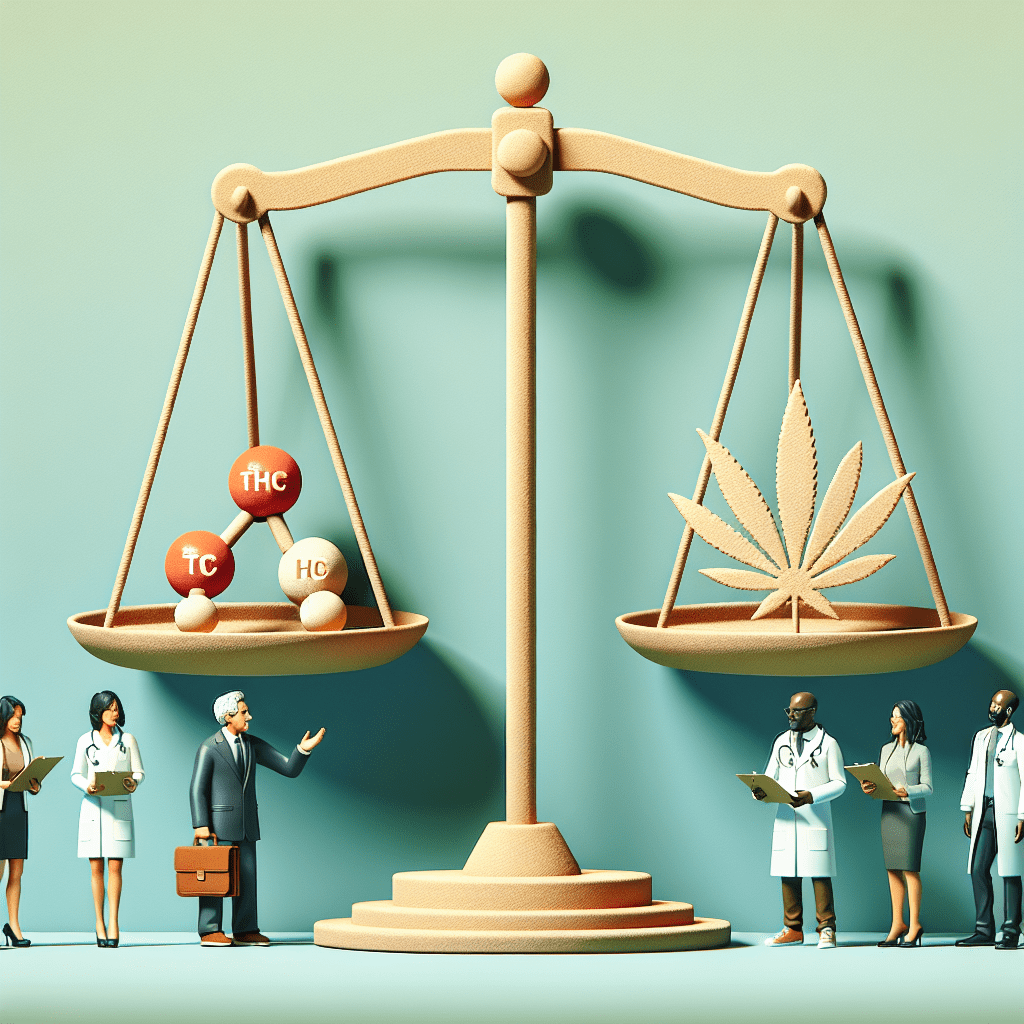
Many addiction specialists assert that THC addiction is a legitimate concern. Dr. Nora Volkow, the director of NIDA, explains that while cannabis may not be as addictive as substances like opioids or cocaine, it certainly can lead to dependence. “The risk of developing a cannabis use disorder is real, especially for young people,” she notes. Adolescents’ brains are still developing, making them more susceptible to addiction.
Opposing Views
Conversely, some experts argue that labeling THC as addictive is simplistic. Dr. Ethan Nadelmann, founder of the Drug Policy Alliance, suggests that the context of use matters significantly. “Many people can use cannabis without developing any dependency issues. The focus should be on responsible use rather than fear-inducing rhetoric around addiction,” he asserts. This perspective highlights the varying responses individuals have to THC, influenced by genetic, environmental, and psychological factors.
The Role of Genetics and Environment
Genetic predisposition plays a crucial role in whether an individual may develop a cannabis use disorder. Recent studies have shown that people with certain genetic markers may be more prone to addictive behaviors. Additionally, socio-economic factors, mental health conditions, and the availability of substance use can influence the likelihood of developing a dependence on THC.
Young People and THC Use
One of the most pressing issues surrounding THC and addiction is its use among young people. The adolescent brain is particularly vulnerable to the addictive properties of substances, including THC. Experts advise that it is crucial for young people to be educated about the potential risks associated with cannabis use, as early use can lead to long-term cognitive impairments and increased likelihood of dependency.
Withdrawal and Recovery
Though cannabis withdrawal is often milder compared to other substances, it can still include symptoms such as irritability, insomnia, decreased appetite, and mood swings. Recovery programs focusing on cognitive-behavioral therapy and support groups have shown to be effective in helping individuals overcome cannabis use disorders. Health professionals encourage a tailored approach based on individual needs to successfully navigate recovery.
Conclusion
The consensus among experts indicates that while THC addiction does pose a real threat for some individuals, especially young people, it is not universally addictive. The narrative surrounding cannabis should not solely focus on the potential for addiction, but also on educating users about responsible consumption, understanding genetic predispositions, and providing resources for those who might develop a dependency. Ultimately, more research is needed to fully understand the complexities surrounding THC and addiction.
FAQs
1. Can THC be addictive?
Yes, THC can be addictive for some people, with about 9% of users likely to develop cannabis use disorder.
2. What are the symptoms of THC withdrawal?
Withdrawal symptoms may include irritability, insomnia, decreased appetite, and mood swings.
3. Are young people more at risk of THC addiction?
Yes, adolescents are more vulnerable to developing a cannabis use disorder due to their still-developing brains.
4. How can one recover from THC addiction?
Recovery can be assisted through cognitive-behavioral therapy, support groups, and personalized treatment plans.
5. Is cannabis safer than other substances?
While cannabis may be less addictive than substances like opioids, it still carries risks, especially with heavy or early use.
[ad_2]