
 By
By [ad_1]
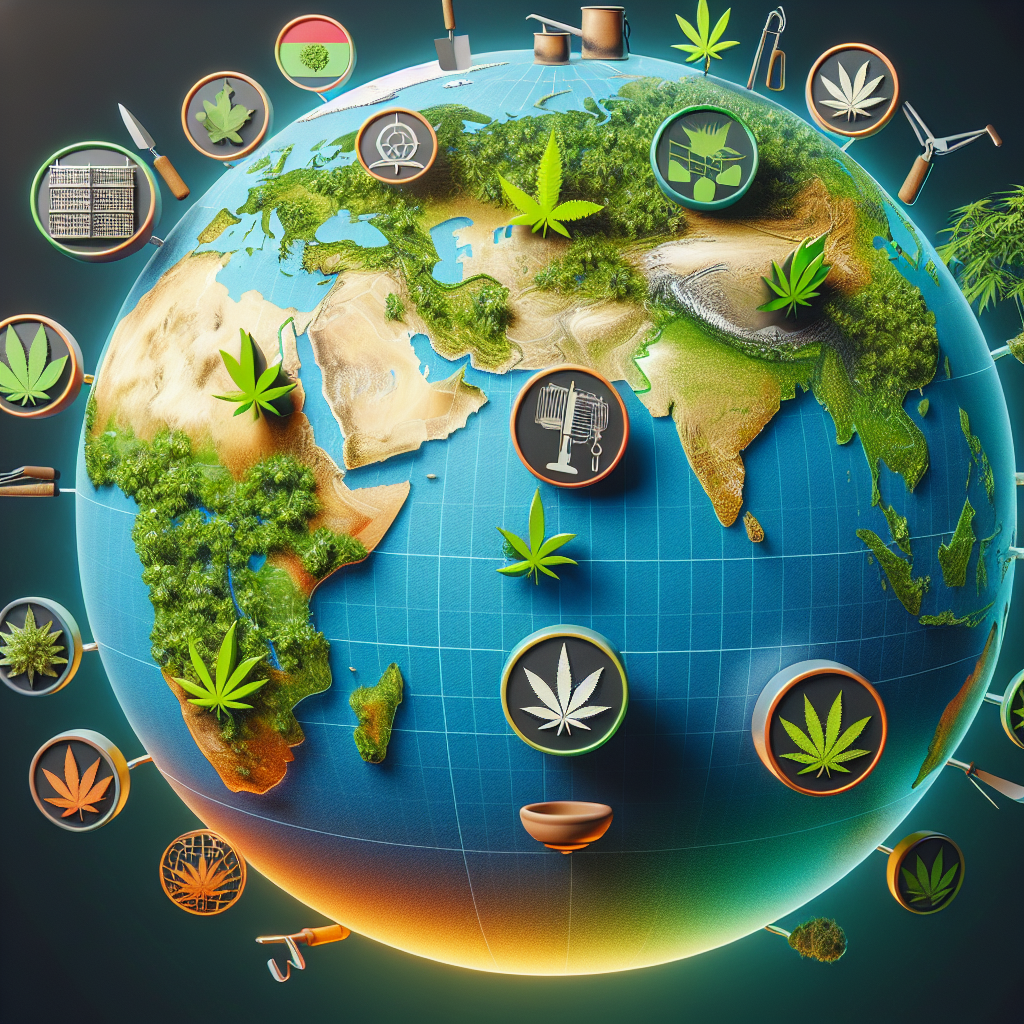
Cannabis cultivation has a long and storied history that stretches across various cultures and regions around the globe. From the sacred rituals of ancient civilizations to modern-day farming innovations, the cultivation of cannabis has always reflected local traditions, environmental conditions, and cultural attitudes. In this article, we’ll explore unique growing techniques and practices from different parts of the world, highlighting both traditional methods and contemporary developments.
1. Ancient Practices: Afghanistan and the Hindu Kush
The Hindu Kush mountain range, spanning Afghanistan and Pakistan, is often considered one of the original homes of cannabis cultivation. The region’s harsh climate and high altitudes have led to the development of unique cultivation techniques. Farmers often utilize the polyculture method, growing cannabis alongside other crops like wheat, which promotes biodiversity and soil health. This method also prevents pest infestations, ensuring a higher yield.
Moreover, Afghan breeders have developed distinct landrace strains known for their high resin content, which is ideal for producing hashish. The traditional method of hash-making involves collecting the trichomes from the buds (kief) and compressing them into blocks, which is still sought after in the cannabis market today.
2. North America: The Rise of Hydroponics
In North America, particularly in the United States, cannabis cultivation has undergone a significant transformation, especially with the legalization of marijuana in several states. Hydroponic farming has become widely popular, allowing growers to cultivate cannabis in controlled environments without soil. This method offers several advantages: it maximizes space, conserves water, and allows for precise control over nutrient delivery, leading to faster growth rates and higher yields.
Growers like Jorge Cervantes advocate advanced techniques such as aeroponics and deep water culture (DWC). In aeroponics, plants are suspended in air and misted with nutrient-rich water, optimizing oxygen exposure and nutrient absorption. DWC involves the plants’ roots submerged in nutrient solution, promoting rapid growth.
3. Europe: Greenhouses and Biodynamics
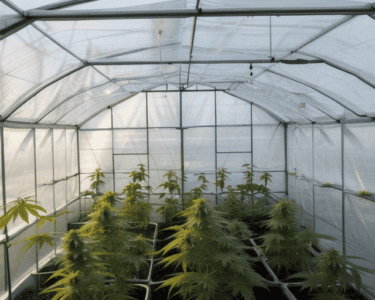
In Europe, particularly in countries like the Netherlands, cannabis cultivation is often synonymous with greenhouse farming. Dutch growers have perfected the technique of using greenhouses fitted with advanced climate control systems, which allows for year-round cultivation. This method balances the benefits of natural sunlight with the predictability of indoor farming.
Biodynamic cultivation is another trend gaining traction, emphasizing a holistic approach to agriculture. Pioneered by Rudolf Steiner, biodynamic farming considers the health of the entire ecosystem, using natural preparations and lunar planting cycles. Growers in Germany and Switzerland often apply these principles, resulting in cannabis that is not only potent but also rich in biodiversity and sustainable practices.
4. South America: Traditional Techniques and Cultural Significance
In countries like Colombia and Brazil, cannabis cultivation holds significant cultural importance. Many indigenous groups use cannabis not only for recreational purposes but also for its medicinal properties. Traditional growing techniques often involve the cultivation of landrace strains unique to specific regions. For example, the "Colombian Gold" strain is renowned for its uplifting effects and distinctive taste.
Local farmers often use traditional techniques such as "slash and burn" agriculture, allowing soil regeneration while integrating cannabis with other crops like coffee and bananas. This practice contributes to a diverse ecosystem and offers farmers additional sources of income.
5. Asia: The Influence of Traditional Medicine and Urban Gardening
In parts of Asia, such as Thailand and China, cannabis cultivation is steeped in history. Thailand’s cultural relationship with cannabis goes back thousands of years, where it was traditionally used in folk medicine. The Thai approach often incorporates organic growing methods, eschewing chemical fertilizers for composts and natural soil amendments.
In urban settings, especially in countries like Singapore and Japan, urban gardening initiatives are on the rise. These initiatives leverage rooftop spaces and vertical gardens to cultivate cannabis and other plants, promoting sustainable practices in densely populated regions. Controlled environment agriculture (CEA) allows for efficient use of limited space while reducing urban heat island effects.
Conclusion
Cannabis cultivation continues to evolve, influenced by regional traditions and technological advancements. As legalization spreads, the exchange of ideas and practices across borders will only continue to grow. From the rugged mountains of Afghanistan to sophisticated greenhouses in the Netherlands and innovative urban gardens in Thailand, each location brings its own unique techniques and cultural significance to the world of cannabis cultivation.
FAQs
1. What are landrace strains?
Landrace strains are cannabis varieties that have adapted to their native environments over generations, resulting in unique genetics, flavors, and effects. These strains are often regarded for their purity and resilience.
2. What is hydroponics?
Hydroponics is a method of growing plants without soil by using nutrient-rich water solutions. This method allows for greater control over growing conditions and can lead to faster growth and higher yields.
3. What is biodynamic farming?
Biodynamic farming is an ecological approach to agriculture that emphasizes the health of the entire ecosystem. It includes the use of natural preparations and follows lunar cycles for planting and harvesting.
4. How does cannabis cultivation differ based on region?
Cultivation techniques differ based on local climate, cultural practices, and available technology. For example, growers in colder climates might use greenhouses, while those in warmer regions could rely on natural sunlight and outdoor growing methods.
5. What are the benefits of urban gardening for cannabis?
Urban gardening allows for the cultivation of cannabis in limited spaces, promotes local food production, and can contribute to community aesthetics and wellbeing by greening urban areas.
[ad_2]