 By
By [ad_1]
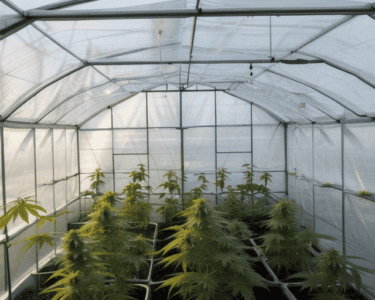
As cannabis legalization continues to sweep across the United States, many individuals are drawn to the allure of cultivating their own plants indoors. The art of indoor cannabis cultivation offers not only potential financial rewards but also a connection to a plant celebrated for its therapeutic properties. However, mastering this practice requires a nuanced understanding of various elements, from plant biology to environmental control, as well as an awareness of current regulations, trends, and technological advancements.
The Landscape of Cannabis Legalization
First, it’s crucial to understand the current legal framework surrounding cannabis cultivation in the U.S. As of 2023, more than half of the states have legalized cannabis for medical use, and a growing number are permitting recreational use. This shifting legal landscape has transformed cannabis from an illicit substance to a booming industry, valued at approximately $30 billion according to recent estimates. However, these laws vary significantly from state to state, which means aspiring growers must ensure they are well-informed about local regulations regarding indoor cultivation. Some states restrict home grows, while others may impose limits on the number of plants, necessitating careful planning and compliance.
Choosing the Right Space
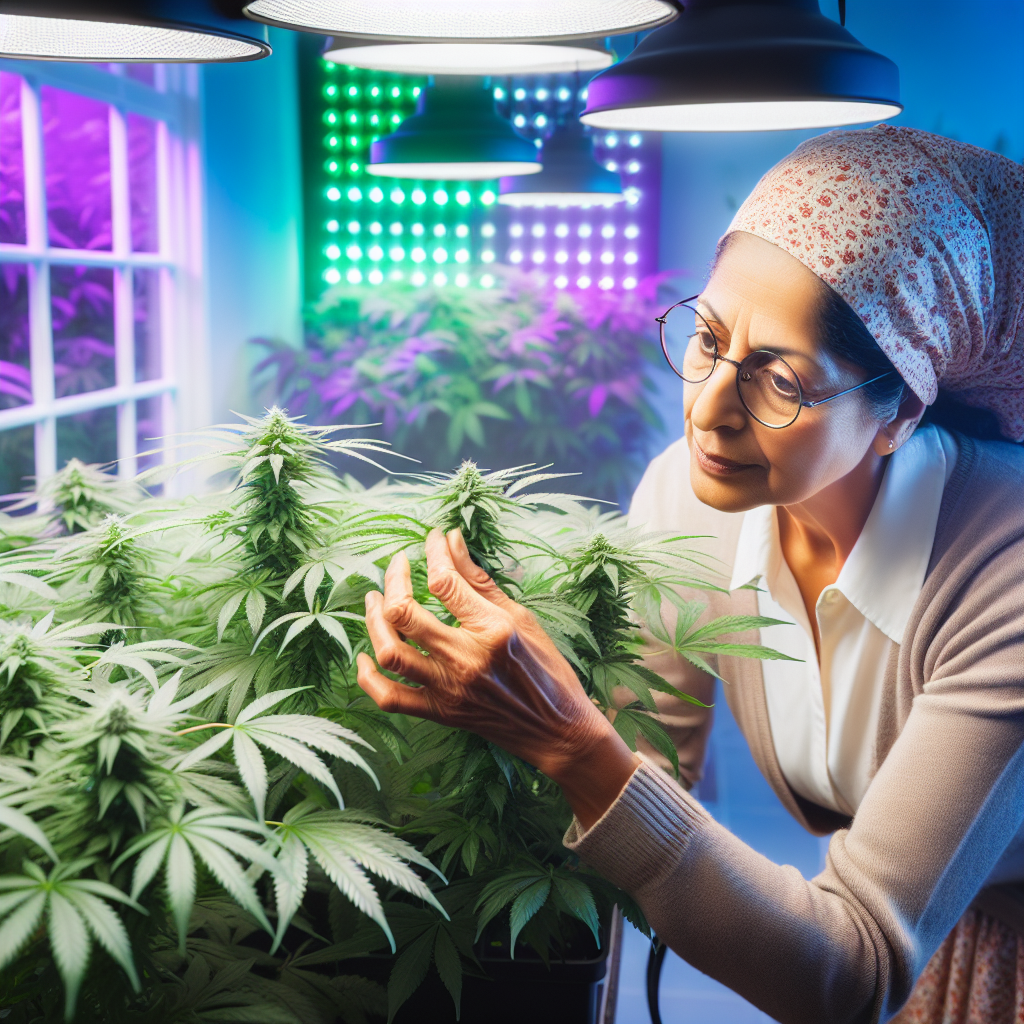
One key to successful indoor cannabis cultivation is selecting the right space. Whether using a dedicated room, a closet, or a tent, the area must meet specific criteria to facilitate healthy growth. Factors to consider include accessibility to utilities such as water and electricity, ambient temperature, humidity levels, and the ability to manage light exposure. Most cannabis plants require around 18 hours of light during the vegetative stage and 12 hours during the flowering stage, making it essential to invest in quality grow lights. LED lighting has emerged as a popular choice due to its efficiency and lower heat output, which helps maintain optimal growing conditions.
Essential Equipment and Setup
Once the space is established, it’s time to gather the necessary equipment. The basics include grow lights, ventilation systems, pots or grow bags, nutrient solutions, and soil or a hydroponic setup. The choice between soil and hydroponics can significantly impact the cultivation process. Soil is often considered beginner-friendly, while hydroponic systems can yield quicker growth and higher returns. Additionally, implementing a rigorous schedule for feeding nutrients, monitoring pH levels, and ensuring proper drainage will set the foundation for healthy plants.
Current trends also indicate a rise in the popularity of automated systems. Smart technology is increasingly being integrated into indoor cannabis cultivation, allowing growers to monitor and control environmental factors through apps and sensors. These innovations not only enhance plant growth but also simplify the cultivation process, making it accessible even for novices.
Understanding Plant Health and Nutrients
The health of cannabis plants is critical for achieving a productive yield. Growers must educate themselves on the various strains of cannabis, as different strains have unique growth requirements and characteristics. For instance, indica strains tend to be short and bushy, while sativa strains are tall and slender. Understanding these differences can inform decisions about spacing, light distribution, and nutrient needs.
Plants require a balanced mix of macronutrients—nitrogen, phosphorus, and potassium—along with essential micronutrients like calcium, magnesium, and iron. The choice of nutrient formulations can vary, and organic options have become increasingly popular among cultivators looking for a more environmentally friendly approach. Additionally, paying attention to the plant’s response to nutrients and adjusting feeding regimens accordingly is essential for avoiding common pitfalls such as nutrient burn or deficiencies.
Pest and Disease Management
Despite the best efforts in creating an ideal growing environment, pests and diseases can infiltrate any indoor garden. Preventative measures such as maintaining cleanliness, inspecting plants regularly, and using integrated pest management (IPM) strategies can help mitigate these risks. Biological controls, like introducing beneficial insects, and organic pesticides offer environmentally sustainable solutions for dealing with infestations.
Current events in the industry also reveal new challenges in pest management, particularly with the introduction of new pests that target cannabis plants specifically. Staying informed about these emerging threats through community forums, agricultural extension programs, and professional networks can provide valuable insights and strategies to safeguard crops.
Harvesting and Curing
Once the flowering stage concludes, the time to harvest approaches—a moment that many cultivators eagerly anticipate. Understanding when to harvest can make a significant difference in the quality of the final product. The right timing involves observing the trichomes on the buds, which shift from clear to milky white and eventually amber.
Post-harvest processes such as curing enhance the flavor and potency of the cannabis. Proper curing involves storing buds in airtight containers in a cool, dark place, allowing for moisture control and the development of rich aromatic flavors. This final step, while often overlooked, can elevate the overall quality of the yield, leading to a more satisfying product.
Conclusion
Mastering indoor cannabis cultivation is a journey that encompasses a variety of disciplines, from horticulture to technology. As industry trends continue to evolve, growers must adapt and stay informed about changes in regulations, advancements in growing techniques, and shifts in market demands. Cultivators should take pride not only in their yields but also in the well-being of their plants and the knowledge they acquire along the way.
As the U.S. cannabis landscape continues to evolve, the practices of indoor cultivation will undoubtedly become even more refined. For those contemplating their cultivation journey, there lies an opportunity not just for profit, but for personal growth and a deeper appreciation of a plant that has a rich history and a promising future. The art of cultivating cannabis, much like any form of art, requires patience, dedication, and a willingness to learn. As you embark on this endeavor, reflect on its deeper significance and the community surrounding it—a reminder of the connection between people and the plants they nurture.
[ad_2]