 By
By [ad_1]
As cannabis continues to weave its way into the fabric of American agriculture and society, mastering the basics of cannabis cultivation becomes increasingly essential for aspiring growers. With many states now allowing recreational and medicinal use, the demand for high-quality cannabis has soared. Understanding the fundamental principles of successful cultivation not only equips growers with the knowledge they need but also empowers them to contribute to a burgeoning industry. This article will explore the basics of cannabis cultivation while also addressing the current trends and developments in the United States.
Understanding the Plant
First and foremost, one must understand what cannabis is. Cannabis plants primarily fall into three categories: Cannabis sativa, Cannabis indica, and Cannabis ruderalis. Sativa strains typically have uplifting effects and are known for their higher THC content, while indica strains are more sedative and often used for medicinal purposes. Ruderalis, on the other hand, is a lesser-known variety that’s generally auto-flowering, meaning it flowers based on age rather than light cycle. Knowing these distinctions is crucial to selecting the right strain for cultivation, whether for personal use, medicinal applications, or even commercial production.
Each strain has unique growth characteristics, flowering periods, and ideal growing conditions, all of which must be taken into account. As the market continues to evolve, a greater diversity of strains is becoming available, allowing growers to cater to increasingly nuanced consumer preferences.
Legal Landscape and Regulations
Navigating the legal landscape around cannabis cultivation can be challenging. As of 2023, around 38 states in the U.S. have legalized cannabis for medical use, and 21 states permit adult recreational use. However, regulations can vary not only from state to state but also across local jurisdictions. Some areas may impose strict limits on the number of plants a grower can cultivate, while others have regulatory frameworks designed to encourage small-scale farming.
Aspiring growers should familiarize themselves with local laws and regulations to avoid potential legal issues. Compliance with state guidelines concerning licensing, labeling, and record-keeping is essential. Failure to adhere to these regulations can lead to hefty fines or seizure of products, undermining the grower’s efforts.
The Science of Growing Cannabis
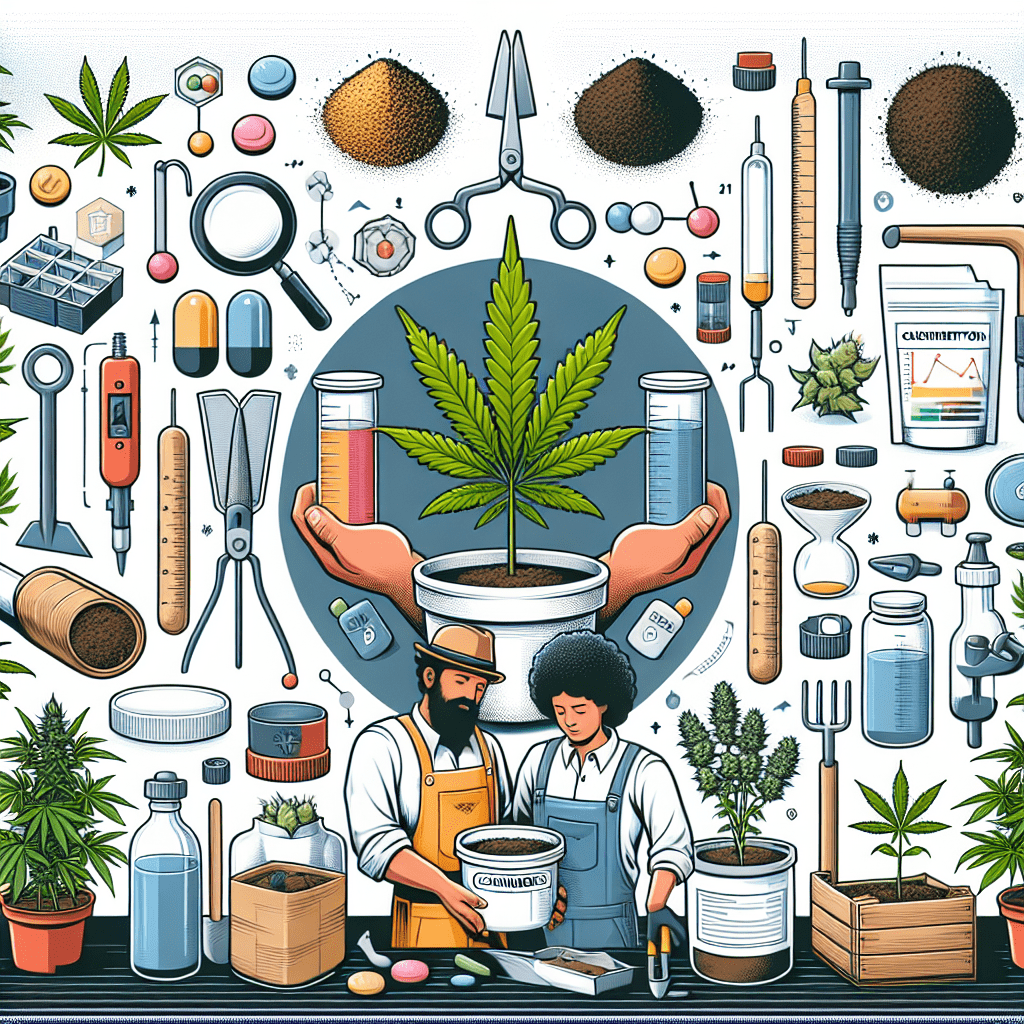
Successful cannabis cultivation revolves around several core components: soil, light, water, and nutrients. Selecting the right soil is foundational. Organic soil that retains moisture while offering good drainage is often preferred. Many growers will enhance their soil with amendments like compost or vermiculite to boost its nutrient profile.
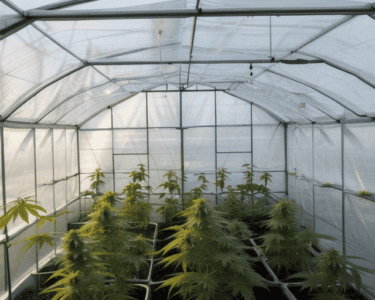
Lighting is another critical element. For indoor cultivations, LED grow lights are becoming a popular choice. They are energy-efficient and produce less heat compared to traditional bulbs, making them ideal for maintaining a stable growing environment. For outdoor cultivators, recognizing the importance of sunlight—particularly the balance between direct sun exposure and shade—is fundamental to supporting the plant’s growth cycle.
Watering practices are also essential. Over-watering is one of the leading causes of plant stress and failure, so it’s important to develop a routine that considers the needs of the plant at various growth stages. Autopots and drip irrigation systems can help automate this process, ensuring consistent moisture levels without over-saturation.
Nutrient Management
Cannabis plants require different nutrients at varying stages of growth. The primary nutrients—nitrogen (N), phosphorus (P), and potassium (K)—are vital for healthy plant development. During the vegetative stage, a nitrogen-rich fertilizer helps promote leafy growth, while phosphorus and potassium become more critical as the plants transition into the flowering stage. Many growers use specialized nutrient products designed specifically for cannabis to optimize growth.
Recent trends have moved towards organic and sustainable practices, with many growers opting for compost teas and organic fertilizers that minimize environmental impact. This shift not only benefits the health of the plants but also appeals to a growing consumer base that prioritizes sustainability.
Pest and Disease Management
As with any form of agriculture, pest and disease management plays a crucial role in cannabis cultivation. Growers must be vigilant about common pests such as spider mites, aphids, and whiteflies, which can proliferate quickly and devastate a crop. Integrated Pest Management (IPM) techniques, which emphasize natural and preventative solutions—like introducing beneficial insects or using organic pesticides—are becoming increasingly popular.
Diseases such as powdery mildew and root rot can also threaten crops. Good airflow, proper humidity levels, and regular monitoring can help prevent these conditions from developing. Utilizing resistant strains and adhering to appropriate sanitation practices are essential steps in safeguarding a healthy cannabis crop.
Conclusion: Moving Forward in the Cannabis Arena
The cannabis cultivation landscape is experiencing rapid transformation, marked by an ongoing shift in legal parameters, emerging techniques, and evolving consumer demands. While mastery of the basics is fundamental, continuous education is paramount in a field characterized by ongoing research and technological advancements. Enthusiasts and professionals alike should leverage available educational resources, attend workshops, and engage with online forums to stay updated on best practices and emerging trends.
As cannabis cultivation becomes more mainstream, the importance of responsible growing practices cannot be overstated. High-quality cannabis produced through sustainable and ethical methods has the potential to elevate the industry standards and foster a newfound respect for cannabis as a legitimate agricultural product. In navigating this evolving landscape, it is essential for growers to remain flexible, innovative, and informed. Their contributions not only advance personal goals but also shape the future of cannabis cultivation in the United States. The journey may be complex, but mastering the basics is the first step towards successful and responsible cultivation.
[ad_2]