
 By
By [ad_1]
Natural Remedies Redefined Through CBD Innovations in the United States
In recent years, cannabidiol (CBD) has emerged as a transformative force in the realm of natural health remedies across the United States. Derived from the hemp plant, CBD offers a non-psychoactive alternative to traditional treatments, promising relief from various ailments without the intoxicating effects associated with its cousin, tetrahydrocannabinol (THC). This article explores the evolution of CBD in natural remedies, highlighting current innovations, regulatory landscapes, and the future of this burgeoning industry.
The Rise of CBD in Natural Health
CBD’s journey into mainstream wellness began with its recognition for potential therapeutic benefits. Unlike THC, CBD does not induce a "high," making it an appealing option for those seeking relief without psychoactive side effects. Early adopters utilized CBD for managing anxiety, chronic pain, and sleep disorders, often turning to oils, tinctures, and edibles as delivery methods. The 2018 Farm Bill played a pivotal role by legalizing hemp-derived CBD products containing less than 0.3% THC, thereby catalyzing a surge in consumer interest and product development.
Innovations in CBD Products
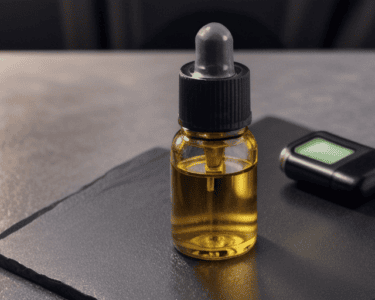
The CBD market has witnessed a surge in innovative products designed to cater to diverse consumer needs. Companies like Clean Remedies have introduced a range of CBD-infused items, including oils, gummies, and topicals, each formulated to promote relaxation, focus, and overall well-being. Their Full Spectrum CBD Tincture, for instance, offers a potent blend of cannabinoids aimed at delivering comprehensive therapeutic effects. Similarly, Natural Health Remedies has pioneered advanced cannabinoid therapy by combining CBD with other cannabinoids like CBG, CBN, and CBC, enhancing the entourage effect for more effective relief. Their 6,000mg full-spectrum tincture exemplifies this innovation, providing a high-potency option for consumers seeking substantial benefits.
Regulatory Landscape and Consumer Safety
As the popularity of CBD products has soared, so too have concerns regarding their regulation and safety. The Food and Drug Administration (FDA) has expressed caution, emphasizing that while CBD holds promise, its safety and efficacy have not been fully established. The FDA has also highlighted issues such as inaccurate labeling and potential contamination in some CBD products. For instance, some products have been found to contain higher levels of THC than advertised, raising concerns about consumer safety and legal compliance. This underscores the importance of purchasing CBD products from reputable sources that provide third-party lab testing results to ensure quality and safety.
State-Level Legalization and Market Dynamics
The legal status of CBD varies across the United States, with states like Rhode Island, Vermont, Virginia, and Wyoming considering legislation to legalize the sale and use of hemp-derived CBD products. This patchwork of regulations creates a complex landscape for consumers and businesses alike. While the 2018 Farm Bill legalized hemp-derived CBD federally, state laws differ, leading to inconsistencies in product availability and legal compliance. Consumers are advised to stay informed about their state’s specific regulations and to purchase products from compliant and transparent companies.
The Future of CBD in Natural Remedies
Looking ahead, the future of CBD in natural health remedies appears promising yet complex. Ongoing research into the therapeutic potential of CBD continues to expand, with studies exploring its efficacy in treating conditions like epilepsy, chronic pain, and anxiety disorders. However, the need for more rigorous clinical trials and standardized dosing guidelines remains critical. Additionally, as the market grows, so does the necessity for clear and consistent regulations to ensure consumer safety and product quality.
In conclusion, CBD has redefined natural health remedies in the United States by offering a non-psychoactive alternative with a broad spectrum of potential benefits. Innovations in product development and increasing consumer interest have propelled CBD into the spotlight. However, challenges related to regulation, safety, and scientific validation persist. As the industry continues to evolve, it is imperative for consumers to approach CBD products with informed caution, prioritize quality and transparency, and remain abreast of regulatory developments to make safe and effective choices in their wellness journey.
[ad_2]