

 By
By [ad_1]
Navigating the Benefits of CBD for Stress Relief in the United States
In recent years, the landscape of wellness and alternative medicine has witnessed a tidal shift, with CBD (cannabidiol) emerging as a promising contender for stress relief. As awareness around the potential benefits of CBD increases, so too does the variety of products entering the market. From oils and capsules to edibles and topicals, consumers are met with a plethora of options that claim to alleviate stress and anxiety. However, navigating this burgeoning industry requires an informed approach, balancing curiosity with caution, especially given the evolving legal framework and ongoing research surrounding CBD.
CBD is one of the many compounds found in the cannabis plant, but unlike its more famous cousin THC (tetrahydrocannabinol), CBD does not produce psychoactive effects. This fact has allowed CBD to carve a niche in the wellness sector, appealing to those who wish to experience the therapeutic benefits of cannabis without the high. According to a 2022 Gallup poll, approximately 14% of Americans indicated that they use CBD, signaling a growing acceptance of its therapeutic potential. As society grapples with rising stress levels—exacerbated by events like the COVID-19 pandemic, political strife, and economic instability—many are seeking alternative methods to manage anxiety and stress.
Current research on CBD for stress relief is still in its nascent stages, but early findings are promising. A 2021 study published in the Journal of the American Medical Association found that CBD may reduce anxiety in individuals suffering from social anxiety disorder. Likewise, a 2022 review in Frontiers in Psychology concluded that CBD has potential anxiolytic effects, suggesting that it may help modulate the brain’s response to stress. Experts highlight CBD’s ability to interact with the endocannabinoid system, which plays a crucial role in regulating mood, stress, and emotional responses. While these findings are encouraging, it is essential to note that further research is needed to fully understand the mechanisms at play and the long-term effects of CBD use.
One of the most significant challenges in navigating the CBD market is the variability in product quality and regulation. Unlike pharmaceuticals, CBD products are largely unregulated at the federal level, resulting in significant differences in potency, purity, and labeling accuracy among products. This inconsistency can lead to consumer frustration and mistrust. A report by the American Medical Association found that many CBD products contain either more or less than the advertised dose. Hence, consumers are urged to purchase from reputable brands that provide third-party lab testing results. This transparency is paramount in ensuring that users access safe and effective products.
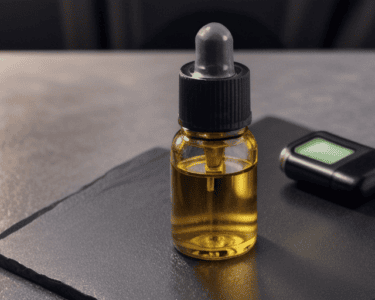
As consumers begin to explore CBD for stress relief, it is crucial to consider how different methods of consumption may impact effectiveness. CBD oil, for instance, may provide rapid relief due to its sublingual absorption, while capsules may take longer to act but offer a more extended release. Edibles can be a palatable option for many, but they also can lead to variability in absorption rates based on individual metabolism. Each method carries its own benefits and limitations, making it essential for users to experiment cautiously and find the approach that works best for their specific needs.
The legal landscape surrounding CBD adds another layer of complexity for consumers. Following the 2018 Farm Bill, hemp-derived CBD was legalized at the federal level, promoting an explosion of product availability. However, state laws vary significantly, with some states imposing restrictions on CBD sales, particularly regarding its use in food and beverages. This regulatory patchwork necessitates vigilance on the part of consumers. Understanding local laws not only ensures adherence to regulations but also aids in making informed purchasing decisions.
Mental health professionals are increasingly acknowledging CBD as a supplementary tool for stress management. While it is not intended to replace traditional therapeutic approaches, its integration into broader wellness strategies can be beneficial. Many practitioners advocate for CBD as part of a holistic approach to mental health that includes therapy, mindfulness practices, and lifestyle adjustments. This multifaceted strategy allows individuals to tailor their stress relief efforts, accommodating personal preferences and unique challenges.
As educational resources become more accessible, consumers are better equipped to make informed decisions about CBD. Reputable organizations, such as the Mayo Clinic and National Institute of Health, provide valuable insights into the benefits and risks of CBD use. Online forums and support groups also offer social support and shared experiences, fostering a community of users who seek wellness solutions together. This shift toward knowledge and community engagement can demystify CBD, empowering individuals to explore its potential safely.
In conclusion, the potential of CBD for stress relief presents a beacon of hope for many struggling with anxiety and stress in the fast-paced modern world. While current research encourages optimism, consumers must navigate this evolving landscape with vigilance and care. By prioritizing quality, understanding various consumption methods, and remaining informed about legal aspects, individuals can make empowered choices regarding their mental health. As interest in CBD continues to grow, so too does the collective responsibility to advocate for informed use, scientific research, and regulatory clarity. In an era where stress seems ever-present, CBD may just be part of the solution—opening doors to a calmer, more balanced life.
[ad_2]