
 By
By [ad_1]
The landscape of cannabis regulation in North America has undergone significant shifts over the past two decades, marked by the decriminalization and legalization movements in both Canada and the United States. While Canada has established a comprehensive legal framework following the Cannabis Act of 2018, the U.S. remains in a state of patchwork legality, where federal, state, and local regulations often conflict. Understanding the nuances of cannabis regulation in both countries is essential for all stakeholders, from consumers to businesses and policymakers.
The Canadian Framework: A Model for Others?
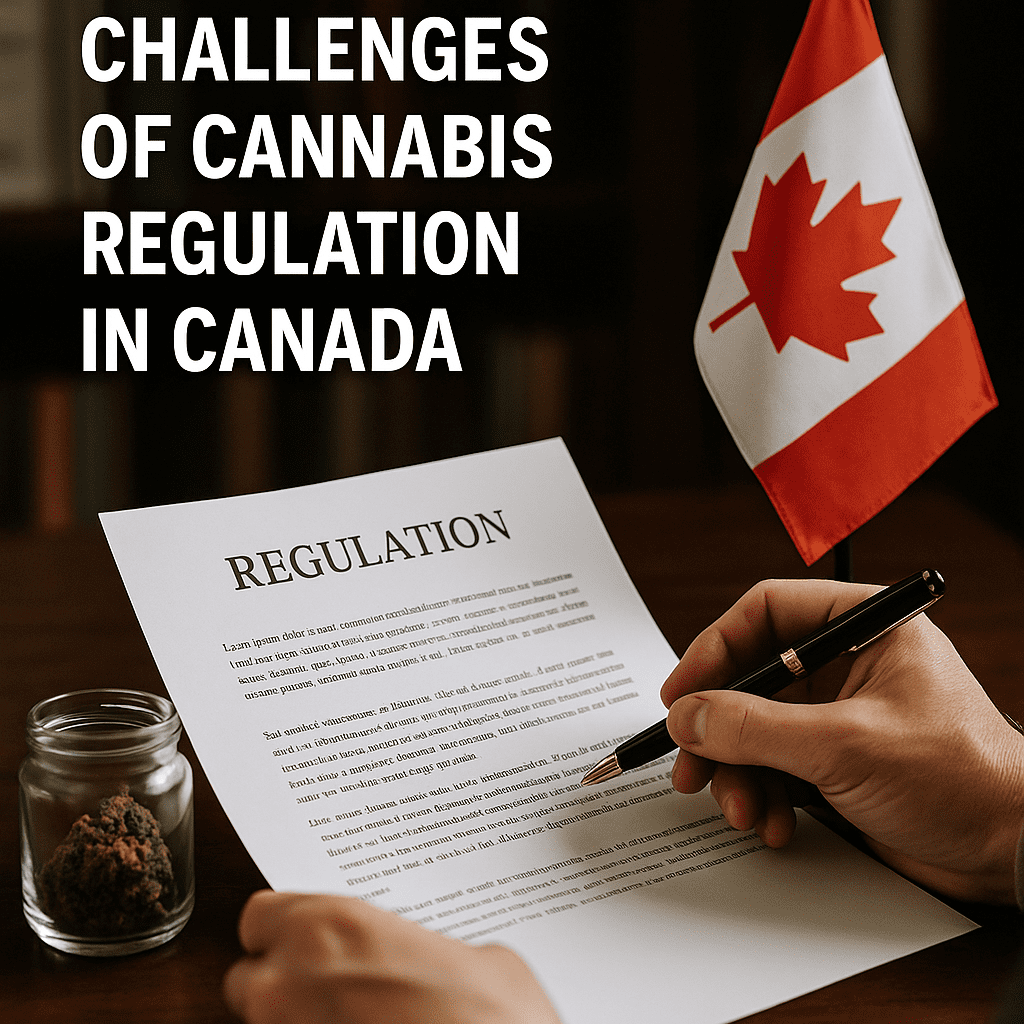
Canada’s regulated cannabis market has often been viewed as a model for other countries considering legalization. The Cannabis Act was a landmark piece of legislation that legalized marijuana for both medical and recreational use, implemented strict regulations surrounding production, distribution, and advertising, while also allowing provinces and territories to establish their own rules. The framework aims to reduce the illicit market, protect public health, and ensure the safety of products available to consumers.
Notably, Canada’s system regulates the sale of cannabis through licensed retailers while allowing for home cultivation. As a result, the country has experienced a burgeoning legal cannabis industry, contributing significantly to the economy. According to Statistics Canada, the legal cannabis market generated over CAD 4 billion in sales in 2021, a figure projected to grow as consumer acceptance continues to rise and markets mature. However, even within this structured environment, significant challenges remain, including issues related to product availability, public health measures, and the residual stigma surrounding cannabis use.
The U.S. Landscape: A Patchwork of Laws
In stark contrast to Canada’s unified approach, the regulatory environment in the U.S. is characterized by a complex and often contradictory patchwork of state laws. While over 37 states have legalized cannabis for medical use and 19 have legalized recreational use, marijuana remains classified as a Schedule I drug under federal law. This creates a myriad of complications, particularly concerning banking, taxation, and interstate commerce, often hindering the growth of cannabis businesses.
Recent developments in states like New York and New Jersey have demonstrated the potential for rapid market expansion, but they also illustrate challenges such as equity in licensing, social justice considerations, and the approach to product safety. In New York, for example, the state has prioritized social equity in its licensing process, aiming to address the disproportionate impact of cannabis prohibition on marginalized communities. However, the rollout has been fraught with delays and complications, leading to frustrations among both entrepreneurs and consumers.
Current Trends and Innovations
Despite the obstacles, the cannabis industry in both Canada and the U.S. is seeing innovative trends that could reshape its future. In Canada, companies are increasingly focusing on product differentiation through advanced marketing strategies and product offerings such as cannabis-infused beverages and edibles. Provinces are experimenting with regulatory flexibility, such as permitting online sales and delivery services, which have proven vital during the COVID-19 pandemic.
In the U.S., the rise of Cannabidiol (CBD) products has emerged as a significant trend, opening up avenues for consumer engagement and revenue generation. Many businesses are tapping into the wellness sector, promoting CBD as a therapeutic agent. However, the lack of federal regulations on these products leaves consumers vulnerable, underscoring the urgent need for unified guidelines to ensure quality and safety.
Emerging technologies such as blockchain are also being explored to improve transparency in the supply chain. This technology offers a way to trace the origins of cannabis products, ensuring that consumers are getting safe and ethically sourced items. Such innovations have the potential to bolster consumer confidence and deter illicit market activity.
The Road Ahead: Future Challenges
As the cannabis landscape continues to evolve, several challenges must be addressed for the industry to flourish. A significant concern is the ongoing conflict between state and federal laws in the U.S. Advocacy for federal reform, as seen in proposals like the Cannabis Administration and Opportunity Act, seeks to reconcile these disparities. However, progress has been slow and contentious, spotlighting the need for sustained advocacy from industry stakeholders and consumers alike.
Another pressing issue is the education of both consumers and regulators. Misinformation regarding cannabis products and their effects remains prevalent, highlighting the need for comprehensive educational campaigns. As cannabis use becomes more mainstream, addressing public health concerns and ensuring that consumers make informed choices is vital. This is particularly important as new products continue to enter the market.
Conclusion: A Future of Possibilities
Navigating the challenges of cannabis regulation requires an understanding of the unique legal landscapes in both Canada and the United States. Canada’s comprehensive approach serves as a framework, while the U.S. is still grappling with a complex legal environment that poses its own set of challenges. Both countries are witnessing remarkable innovations despite these hurdles, indicating a promising future for the industry.
As conversations about cannabis regulation progress, it is crucial that stakeholders—from lawmakers to consumers—engage in dialogue aimed at fostering equity, accessibility, and safety within the industry. Moving forward, the lessons learned from both countries can inform a more cohesive approach to cannabis regulation, ensuring that the benefits of this burgeoning market are felt by all. The journey ahead is undoubtedly complex, yet the potential rewards offer a hopeful outlook for the future of cannabis in North America.
[ad_2]