 By
By [ad_1]
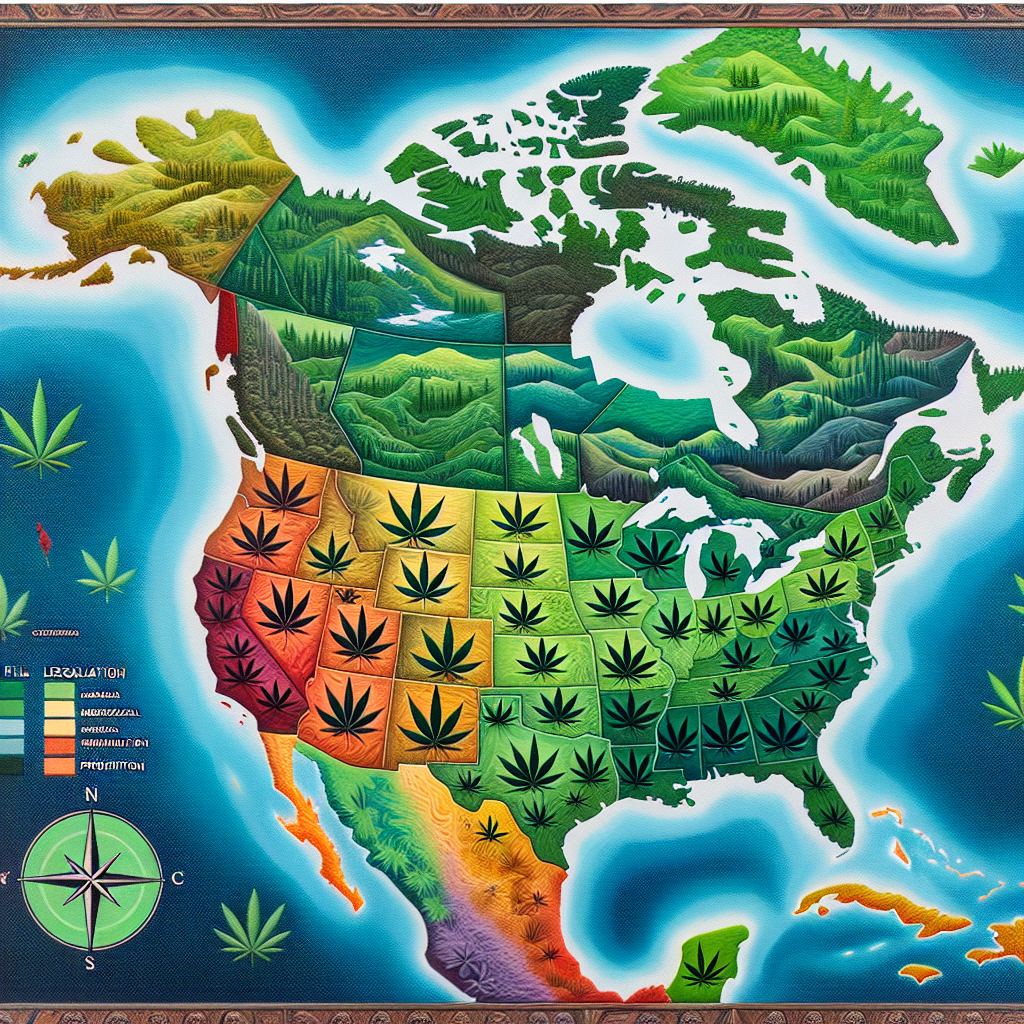
The landscape of cannabis legislation in the United States is undergoing a profound transformation, marked by a dynamic interplay between federal initiatives and state-level reforms. As of September 2025, this evolving legal framework reflects a nation grappling with the complexities of integrating cannabis into its social, economic, and legal fabric.
At the federal level, significant strides have been made toward reshaping cannabis policy. The Secure and Fair Enforcement Regulation (SAFER) Banking Act, introduced in September 2023, aims to provide financial institutions with legal protections when servicing cannabis-related businesses. This legislation seeks to bridge the gap between state-legal cannabis operations and federal banking regulations, addressing longstanding challenges faced by the industry. (en.wikipedia.org)
In parallel, the Medical Marijuana and Cannabidiol Research Expansion Act, enacted in December 2022, has facilitated comprehensive research into the medical applications of cannabis. This act underscores a growing recognition of cannabis’s therapeutic potential and the need for evidence-based policy decisions. (en.wikipedia.org)
However, federal courts continue to uphold the longstanding prohibition of cannabis. In May 2025, the 1st U.S. Circuit Court of Appeals in Boston rejected a challenge by Massachusetts cannabis businesses contesting the federal ban. The court reaffirmed Congress’s authority to criminalize marijuana possession under the Commerce Clause, highlighting the persistent legal tensions between federal statutes and state-level legalization efforts. (reuters.com)
State legislatures have been equally active in redefining cannabis policies. In Virginia, lawmakers passed legislation in February 2024 to permit recreational marijuana retail sales, pending approval from Governor Glenn Youngkin. The proposed framework includes a phased rollout of licenses and a taxation structure, aiming to transition from the illicit market to a regulated system. (apnews.com)
Kentucky has also made notable progress. Governor Andy Beshear announced a lottery system in June 2024 to award the initial round of medical cannabis business licenses, with the program set to commence in January 2025. This approach aims to ensure fairness and accessibility in the burgeoning medical cannabis market. (apnews.com)
Conversely, Florida’s Amendment 3, which sought to legalize recreational cannabis, failed to pass in the November 2024 referendum. Despite achieving a majority vote of 56%, it fell short of the 60% threshold required for adoption, reflecting the nuanced and often divided public opinion on cannabis legalization. (en.wikipedia.org)
Massachusetts is undertaking a comprehensive overhaul of its cannabis industry. In June 2025, the House of Representatives unanimously passed a reform bill aimed at restructuring the Cannabis Control Commission and modifying licensing requirements. The bill proposes increasing the number of retail licenses and eliminating the vertical integration mandate for medical cannabis businesses, signaling a shift toward a more flexible regulatory environment. (axios.com)
The regulation of hemp-derived products has also garnered attention. A loophole in the 2018 Farm Bill allowed for the sale of intoxicating hemp derivatives like delta-8 THC with minimal oversight. In response, both federal and state authorities are moving to impose stricter regulations. A proposed federal spending bill aims to redefine hemp and ban products exceeding certain THC levels, while states such as California and Virginia have enacted or enforced bans on these products. These measures reflect a concerted effort to close regulatory gaps and ensure consumer safety. (reuters.com)
Taxation policies are also evolving. California increased its cannabis excise tax from 15% to 19%, and Maine plans to raise its excise tax from 10% to 14% while reducing cultivation taxes starting in 2026. Minnesota has agreed to raise the cannabis excise tax from 10% to 15%, positioning it among the highest in the nation. These adjustments reflect states’ efforts to balance revenue generation with market sustainability. (mondaq.com)
The interplay between federal and state actions continues to shape the cannabis industry. The House Appropriations Committee advanced a funding bill in September 2025 that prevents the Department of Justice from using funds to reclassify cannabis, indicating ongoing federal resistance to rescheduling efforts. Simultaneously, bipartisan initiatives like the PREPARE Act, introduced in April 2025, call for the development of a federal plan to regulate cannabis akin to alcohol, highlighting a push toward comprehensive reform. (cannabisbusinesstimes.com)
As the United States navigates this green frontier, the evolving landscape of cannabis legislation underscores the complexities of harmonizing federal and state policies. The ongoing dialogue reflects a nation in transition, striving to balance public health, economic interests, and social justice in the realm of cannabis regulation.
Recent Developments in U.S. Cannabis Legislation:
- US appeals court rejects challenge to federal marijuana ban
- Legislation allowing recreational marijuana sales in Virginia heads to GOP Gov. Glenn Youngkin19
[ad_2]