

 By
By [ad_1]
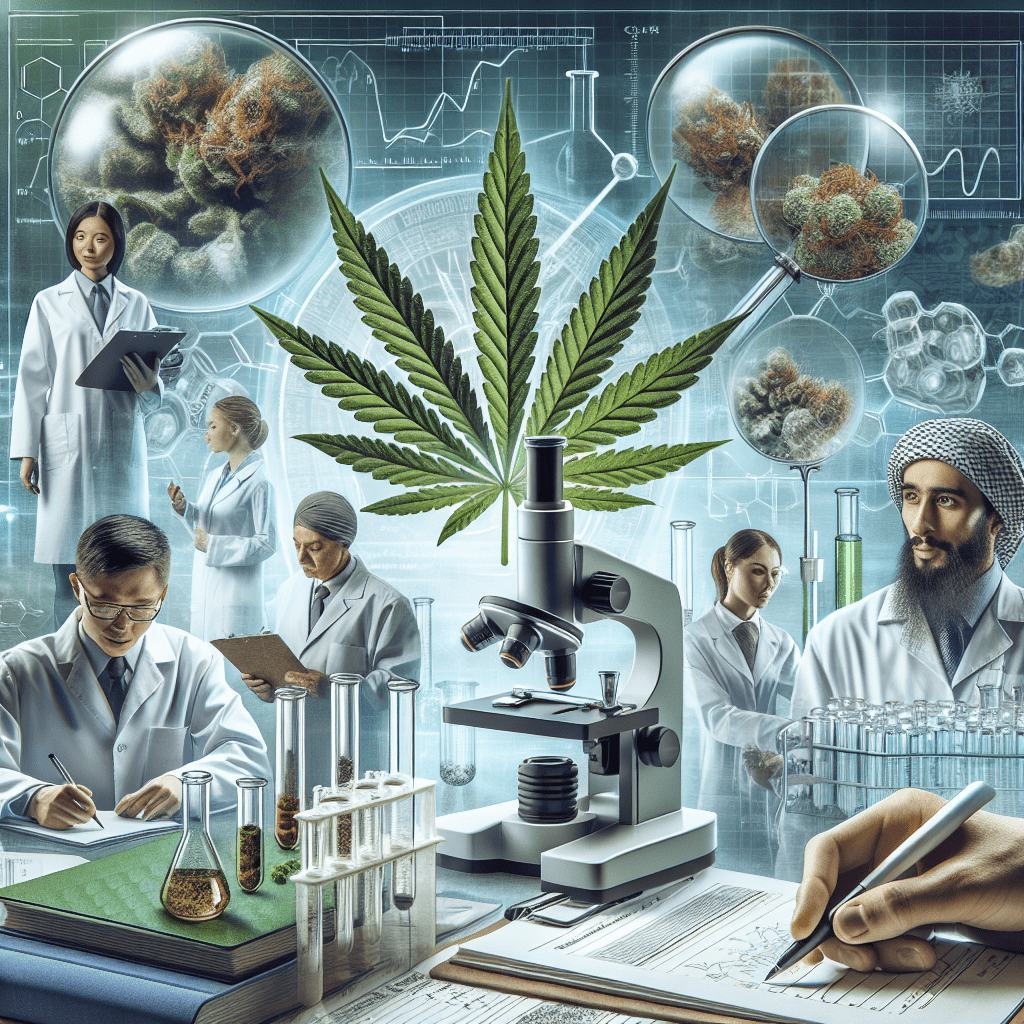
The landscape of medical cannabis research in the United States has shifted considerably over the last several years. With an increasing number of states legalizing cannabis for medical use and a growing body of scientific literature advocating its benefits, these developments have opened new doors for understanding the therapeutic potential of cannabis. This article explores recent advances, current trends, and expert insights, providing a comprehensive overview of where the field stands today.
The Evolving Legal Landscape
The legal status of cannabis has undergone a revolutionary transformation in the United States. As of 2023, over 38 states have legalized medical cannabis in some form, in addition to the legalization of recreational use in many others. This shift in legal perspective not only reflects changing societal attitudes but also fosters an environment where rigorous scientific inquiry can flourish. Research initiatives have accelerated significantly because universities and institutions are now more willing to engage with a substance once shrouded in stigma. However, discrepancies still exist between state and federal laws, complicating research efforts particularly around funding and access to cannabis products.
The 2018 Farm Bill was a key turning point, as it legalized hemp-derived CBD with less than 0.3% THC. This legislation sparked a burgeoning interest in cannabinoids beyond THC, prompting researchers to delve into their therapeutic properties. While THC continues to dominate discussions, non-psychoactive cannabinoids, including CBD, CBG, and CBN, are gaining recognition for their potential benefits.
Breakthrough Research: Effectiveness of Cannabinoids
Emerging findings from recent studies suggest that cannabinoids may play a crucial role in, among other things, reducing chronic pain, alleviating anxiety, and assisting with sleep disorders. A 2022 systematic review published in The Journal of Pain demonstrated that patients with chronic pain reported significant improvements when using cannabis products, particularly those high in CBD and balanced THC/CBD ratios. This review emphasizes the need for personalized treatment regimens, as individuals respond differently to various cannabinoid profiles.
Furthermore, researchers are investigating how cannabinoids can be integrated into traditional medical treatments. For instance, preliminary studies have shown the potential for cannabinoids to enhance the effects of opioid medications, potentially combating the opioid crisis by offering safer alternatives to address pain management. A 2021 article in The American Journal of Psychiatry highlighted the potential for cannabis-based therapies to assist patients struggling with opioid dependency, marking a significant development in addiction research.
Exploring the Entourage Effect
One of the most compelling areas of current research is the concept of the "entourage effect," which posits that cannabinoids and terpenes found in the cannabis plant work synergistically to produce a more significant therapeutic effect than when used in isolation. Recent studies have sought to elucidate this phenomenon, suggesting that whole-plant extracts may hold advantages over isolated compounds. For instance, a study published in Frontiers in Pharmacology in 2022 indicated that full-spectrum cannabis extract resulted in greater pain relief compared to pure CBD, underscoring the importance of preserving the plant’s natural compounds.
This understanding is likely to reshape the way medical cannabis products are formulated. Instead of relying solely on isolated compounds like CBD or THC, future formulations may seek to balance multiple cannabinoids and terpenes to enhance efficacy. This approach not only reflects a more holistic understanding of the plant’s medicinal properties but also opens new possibilities for developing targeted therapies.
Regulatory Challenges and Research Funding
Despite the advancements, research into medical cannabis is not without its hurdles. A significant challenge remains in the form of federal regulatory constraints that limit funding and research opportunities. The Drug Enforcement Administration (DEA) classifies cannabis as a Schedule I substance, creating barriers for researchers seeking to conduct clinical trials. Although there have been efforts to reform these regulations, including the introduction of bills like the Cannabis Administration and Opportunity Act in Congress, progress has been slow and fraught with political complexities.
Furthermore, the lack of standardized dosing and product quality across the medical cannabis market poses challenges for researchers. Many studies suffer from variations in product formulations, making it difficult to compare results or develop unified treatment guidelines. As states continue to develop their cannabis programs, a push for more standardized metrics and quality control is crucial for advancing research and ensuring patient safety.
Future Directions and Conclusion
Looking ahead, the future of medical cannabis research is promising yet requires sustained efforts in multiple arenas. The advent of new technologies, such as artificial intelligence and genomic research, holds the potential to unravel the complexities of how cannabinoids interact with the human body. Researchers are beginning to harness data analytics to identify which strains may be most effective for specific ailments, paving the way for customized therapies.
Moreover, as public interest in medical cannabis grows, so too does the demand for education and access. Healthcare professionals will need continuous training to keep up with evolving research, ensuring that they can make informed recommendations for patients.
In conclusion, the advances in medical cannabis research reflect not only a growing recognition of its therapeutic potential but also the complexities that accompany this rapidly changing field. As societal attitudes shift and scientific understanding deepens, the possibility for innovative treatments is expanding. The dialogue surrounding cannabis should continue to evolve, encouraging an evidence-based approach that respects both its historical context and its future potential. With the right attention and resources, medical cannabis could usher in a new era of holistic health solutions—one where patients can explore safe, effective options for well-being.
[ad_2]