 By
By [ad_1]
The landscape of cannabis in the United States has undergone a profound transformation in recent years, evolving from a largely marginalized substance to a mainstream lifestyle choice celebrated for its potential benefits and cultural significance. As of 2023, a majority of states have legalized cannabis in some form, with trends leaning towards expanding access and incorporating cannabis into wellness, social experiences, and even personal expression. This article delves into the current state of cannabis in the U.S., exploring its lifestyle implications, emerging trends, and societal attitudes, while also addressing the challenges that accompany this evolution.
The Changing Legal Landscape
One of the most significant developments in the cannabis sector is the shift in legal status across the country. As of now, 21 states, along with Washington D.C., have legalized recreational use, while medical cannabis is permitted in 37 states. This wave of legalization has made cannabis more accessible than ever and has transformed public perception. Once stigmatized, cannabis is now increasingly viewed as a legitimate option for recreation and wellness. This change has been championed by a growing recognition of cannabis’s therapeutic benefits, with research suggesting its efficacy in treating conditions like chronic pain, anxiety, and even some forms of epilepsy.
However, it is essential to note that the legal landscape remains complicated. The federal government still classifies cannabis as a Schedule I controlled substance, which poses challenges for research funding, banking for cannabis businesses, and interstate commerce. Recent discussions about reforming federal cannabis laws indicate that change may be on the horizon, but until then, state-level disparities create a patchwork of regulations that can be difficult to navigate for consumers and entrepreneurs alike.
Cannabis as a Wellness Choice
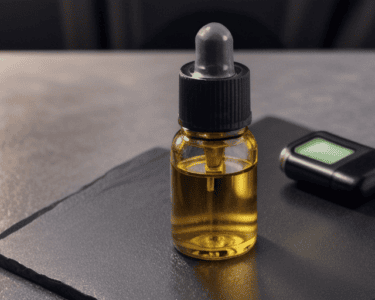
Beyond legal considerations, cannabis has found a prominent place in the wellness industry. The rise of wellness culture has seen a surge in individuals looking for alternative therapies, and cannabis products are frequently marketed as natural and holistic options. From CBD-infused oils and edibles to THC-dominant strains aimed at relaxation and creativity, the variety of products available reflects the diverse needs of consumers.
Experts emphasize the importance of understanding the difference between CBD and THC, both major cannabinoids in cannabis. While THC is psychoactive and often associated with the "high" feeling, CBD is non-psychoactive and is acclaimed for its therapeutic potential without the associated euphoric effects. This distinction has garnered significant interest, especially among those who wish to integrate cannabis into their daily routines without impairing their cognitive functions.
Moreover, cannabis’s use in the context of mental health has garnered much attention. Early research suggests that certain strains may alleviate symptoms of anxiety, depression, and PTSD, leading many to consider it as a complementary tool for mental wellness. However, experts caution that cannabis affects everyone differently, and it is crucial to consult with healthcare professionals, especially for those with pre-existing mental health conditions.
Socialization and Cannabis Culture
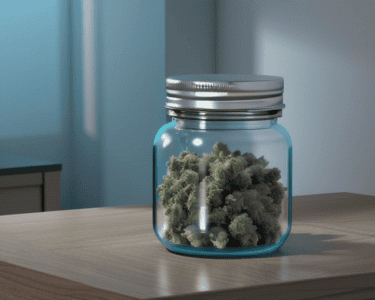
Cannabis has also become interwoven into the social fabric of many communities, transforming how people socialize and celebrate. Just as wine tastings and beer festivals have long been staples of American culture, cannabis-infused gatherings and events are becoming more common. From cannabis-friendly lounges to festivals highlighting local growers, these social settings offer a space for enthusiasts to connect, share experiences, and learn about different strains and consumption methods.
Recent trends even see gourmet chefs incorporating cannabis into their culinary creations, further elevating the substance’s status. Much like pairing wine with food, cannabis is being explored as a flavorful and aromatic companion to various cuisines. Events such as cannabis cooking classes and tastings showcase how the plant can enhance culinary experiences and personal enjoyment, allowing a new demographic of consumers to engage with cannabis culture.
The Challenges of Cannabis Consumption
Despite the burgeoning popularity of cannabis, there are notable challenges. Social stigma still persists, particularly in states where cannabis remains illegal or where conservative attitudes prevail. Users may still face discrimination in employment settings or social domains, and misinformation surrounding cannabis and its effects continues to circulate widely.
Moreover, the rise of cannabis as a lifestyle choice has led to issues around regulation, quality control, and consumer safety. The proliferation of unregulated products can pose health risks, making it crucial for consumers to rely on reputable brands and confirm third-party lab testing for any purchased products. With great diversity in strains and products available, knowledge is paramount to responsible consumption.
Looking Ahead: The Future of Cannabis in America
As attitudes continue to shift and more research emerges about the benefits and risks of cannabis, the future looks increasingly promising for cannabis as a lifestyle choice in America. The push for federal legalization remains strong, and many advocates argue that it could provide economic benefits, reduce criminal justice disparities, and promote public health.
With increasing acceptance, we may witness cannabis becoming as commonplace as craft beer or artisan coffee. As the industry matures, education and advocacy will be essential in ensuring that responsible use is promoted alongside enjoyment. The future of cannabis is likely to involve not just consumption, but a deeper understanding of its place within personal health, cultural expression, and community resilience.
Conclusion
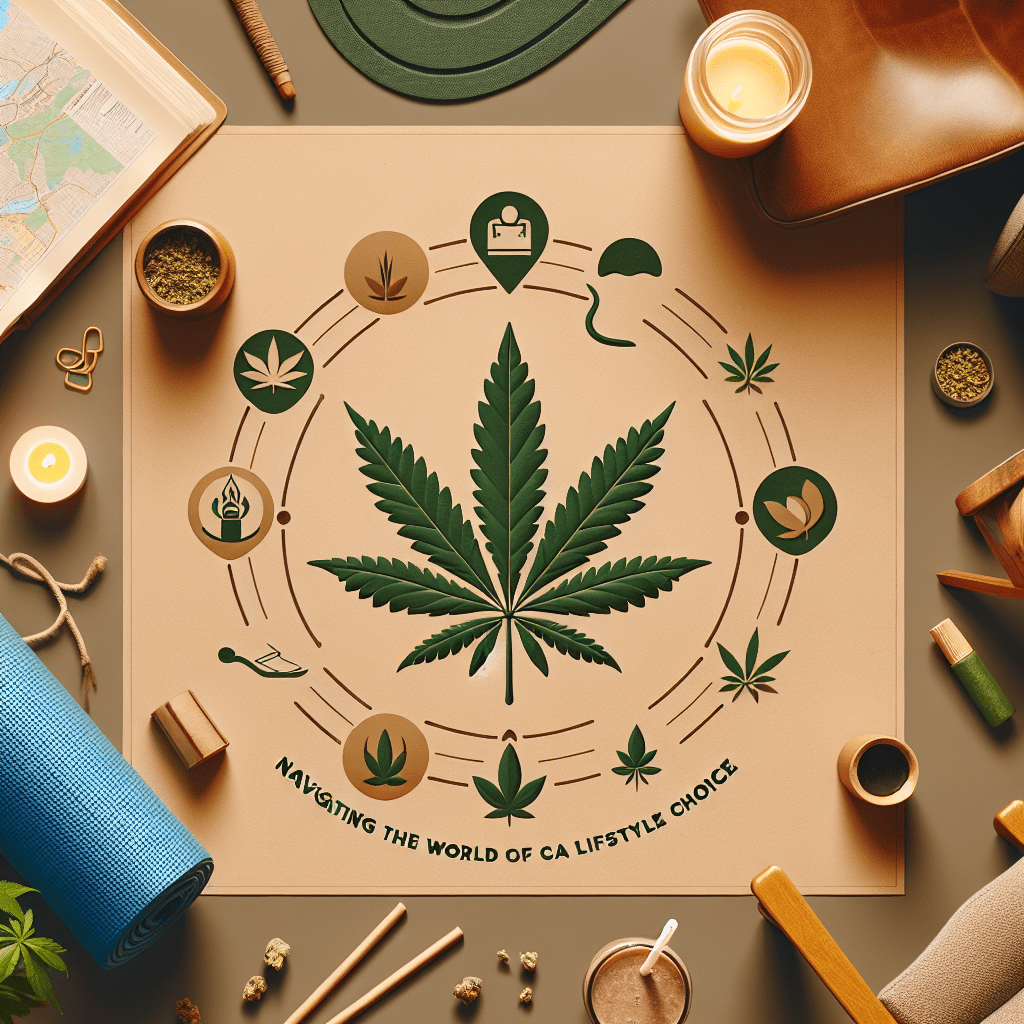
Navigating the world of cannabis as a lifestyle choice presents both opportunities and complexities. With shifting legal frameworks, a growing emphasis on wellness, evolving social practices, and the ongoing challenge of misinformation, individuals are finding their own paths in this new landscape. As we look ahead, the conversation surrounding cannabis will continue to evolve, calling for informed choices rooted in knowledge, responsibility, and individual preference. For many, cannabis will not only symbolize a personal lifestyle choice but also a catalyst for societal change and new ways of interacting with each other and the world around us.
[ad_2]