

 By
By [ad_1]
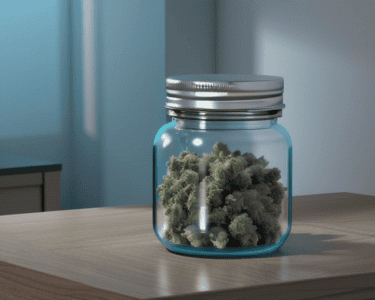
The landscape of cannabis culture in the United States has undergone a dramatic transformation over the past few decades. What once was a subject steeped in stigma and criminality has evolved into a multi-billion-dollar industry, encompassing wellness, healthcare advancements, and a burgeoning movement towards psychedelic therapy. This journey, steeped in historical context, contemporary trends, and ongoing discussions surrounding mental health, reflects not only a shift in public perception but also a profound reappraisal of the medicinal properties of cannabis and psychedelics.
Historical Context: The Roots of 420 Culture
The term “420” is synonymous with cannabis culture; it signifies both the time and the date of April 20th — a day of celebration for cannabis enthusiasts. Its origins trace back to the early 1970s when a group of California teenagers known as the “Waldos” used it as a code to reference their after-school weed smoking activities. This term has since evolved, becoming a symbol for cannabis advocacy and culture. The trajectory of cannabis in the U.S. has been complicated, marked by periods of prohibition, cultural clashes, and eventual movements toward legalization for both recreational and medicinal use.
The War on Drugs initiated in the 1980s stigmatized cannabis and grouped it with harmful substances. Despite this, the 1996 passage of California’s Proposition 215 marked a pivotal change, allowing medical use of cannabis and paving the way for other states to follow suit. This initial legislative shift was a precursor to the broader acceptance that has come in recent years, where nearly half of the states in the U.S. permit marijuana for recreational use as of 2023.
The Rise of the Wellness Movement
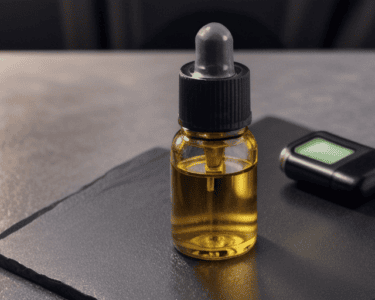
The evolving discourse surrounding wellness and alternative medicine has further propelled the 420 culture into mainstream consciousness. Increasingly, consumers are seeking holistic approaches to health management, driving a demand for cannabis products touted for their therapeutic benefits. Products ranging from CBD oils to infused edibles and topicals are marketed for their potential to alleviate symptoms of anxiety, chronic pain, and insomnia.
Experts have begun to emphasize the importance of cannabinoids, the active compounds in cannabis, in promoting overall well-being. Research indicates that the endocannabinoid system, which interacts with cannabinoids, plays a critical role in regulating various physiological processes, from mood and memory to pain perception and immune function. This biological underpinning lends credibility to claims made by wellness advocates, allowing cannabis to gradually shake off the stigma that once surrounded it.
With this wellness-centric approach, cannabis companies are investing in education, aiming to inform consumers about responsible usage and potential benefits. Brands like Dosist and Caliper Foods focus on dosing precision, creating a safe and enjoyable experience for the user. The shift toward wellness-oriented marketing strategies has not only broadened the consumer base but has also opened up discussions around responsible consumption, particularly among demographics that might have previously avoided cannabis.
The Growing Interest in Psychedelics
As cannabis gains acceptance, other substances, particularly psychedelics, are also gaining traction. Psychedelics such as psilocybin (found in magic mushrooms), LSD, and ayahuasca are being researched for their potential to treat a variety of mental health conditions, including depression, PTSD, and substance use disorders. Recent studies have shown promising results, leading to a resurgence of interest in their applications within therapeutic settings.
In 2023, several states including Oregon and Colorado have pioneered legislation aimed at the decriminalization of psychedelics for therapeutic use, reflecting a broader societal shift toward acceptance and understanding of these substances. Organizations like the Multidisciplinary Association for Psychedelic Studies (MAPS) are at the forefront of research, advocating for regulatory change and increasing awareness about the safety and efficacy of psychedelics in mental health treatment.
This emerging field dovetails with the principles of the wellness movement, emphasizing the importance of mental health and holistic treatment modalities. Advocates stress the need for a nuanced understanding of these substances, separating recreational use from their potential therapeutic benefits. As research continues, a comprehensive understanding of the benefits, risks, and ethical considerations surrounding psychedelics will be crucial for integrating them into standard mental health practices.
Challenges and Future Trends
Despite the burgeoning acceptance of 420 culture and psychedelics, challenges remain. The regulatory frameworks governing cannabis and psychedelics are still evolving and can vary significantly from state to state. Issues like social equity in the cannabis industry — ensuring that those most affected by historical criminalization have access to the emerging market — remain a top priority for advocates.
Moreover, the risk of commercialization and the potential for misuse in the wellness space necessitate ongoing discussion. As brands capitalize on trends, consumers must remain cautious about the claims made by products, emphasizing the importance of evidence-based practices.
Moving forward, the cannabis and psychedelics landscape is likely to continue its rapid evolution. As more states adopt progressive policies and public perception shifts, we may see increased integration of cannabis and psychedelics into traditional healthcare systems. Education and responsible consumption will be imperative to ensure that this integration is both safe and effective.
Conclusion: A Thoughtful Reflection
The journey of 420 culture in the United States reflects a remarkable transformation, one that speaks to broader issues of health, wellness, and social change. As cannabis and psychedelics gain footholds in both therapeutic and recreational contexts, the onus is on society to approach these substances responsibly and ethically. With ongoing research, increased awareness, and a focus on well-being, the future of 420 culture promises not only to enlighten but to heal. As we navigate this delicate terrain, let us advocate for informed conversations and responsible practices, ensuring that these tools of wellness serve the public good and foster a healthier, more conscious society.
[ad_2]