
 By
Court Orders Regulated Cultivation
Nepal’s Supreme Court has ordered the government to make the “necessary arrangements” for the “controlled cultivation and production of cannabis.” The framework would allow cultivation for medicinal, scientific, agricultural, horticultural and industrial purposes. The court also asked for wider consultations on recreational use.
The ruling was issued in May 2025, but court documents were destroyed in a fire that September during protests that toppled the government. Its full text was released only this week. A petitioner in the case confirmed the decision to AFP on Thursday.
“We feel grateful to the Supreme Court for this verdict,” Saroj Adhikari, one of the petitioners, told AFP. Nepal revoked licences for cannabis dealers in 1973 under international pressure during a US-led campaign against drugs.
Before that, Kathmandu had been a magnet for cannabis enthusiasts, with thousands of foreign backpackers flocking to buy hashish from government-licensed shops.
Supporters Welcome The Decision
Former health minister Birodh Khatiwada has long called for the ban to be lifted. He sponsored a related parliamentary motion in 2020.
“The decision came after a long wait,” Khatiwada, who sponsored a related parliamentary motion in 2020, told AFP. “Many developed nations have adopted legal cultivation, and we should not delay for it,” he added, arguing that regulation could create jobs and generate income while curbing illegal trade.
“It will also help to curb illegal smuggling of marijuana, from which only a few people are benefiting,” Khatiwada told AFP.
Historical And Cultural Context
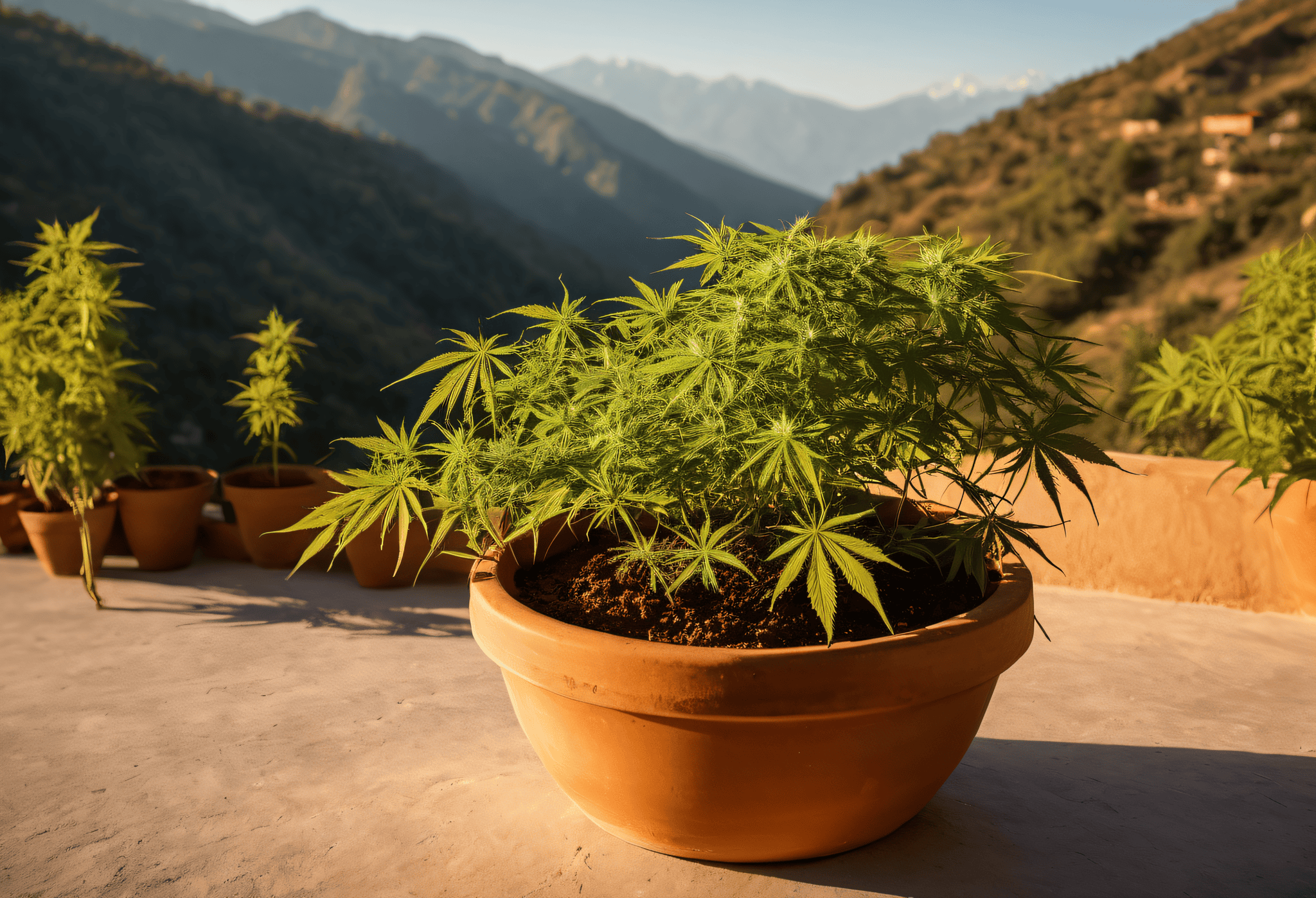
Cannabis has deep historical roots in Nepal, where it grows wild and its stems, leaves and resin have traditionally been used in food, textiles and traditional remedies.
The decision ends decades of prohibition in the Himalayan nation. It now falls to the government to establish the regulatory arrangements the court has ordered, while the scope of any recreational use remains subject to further consultation.