
 By
Oklahoma Official Testifies Before North Carolina Panel
Lt. Col. Mitch Smith with the Oklahoma Bureau of Narcotics and Dangerous Drugs warned a North Carolina cannabis advisory panel Thursday about problems that followed his state’s legalization of medical marijuana.
Smith, director of the bureau’s marijuana enforcement unit, addressed the North Carolina Advisory Council on Cannabis’s Public Safety Subcommittee as it prepares final recommendations on a comprehensive cannabis policy.
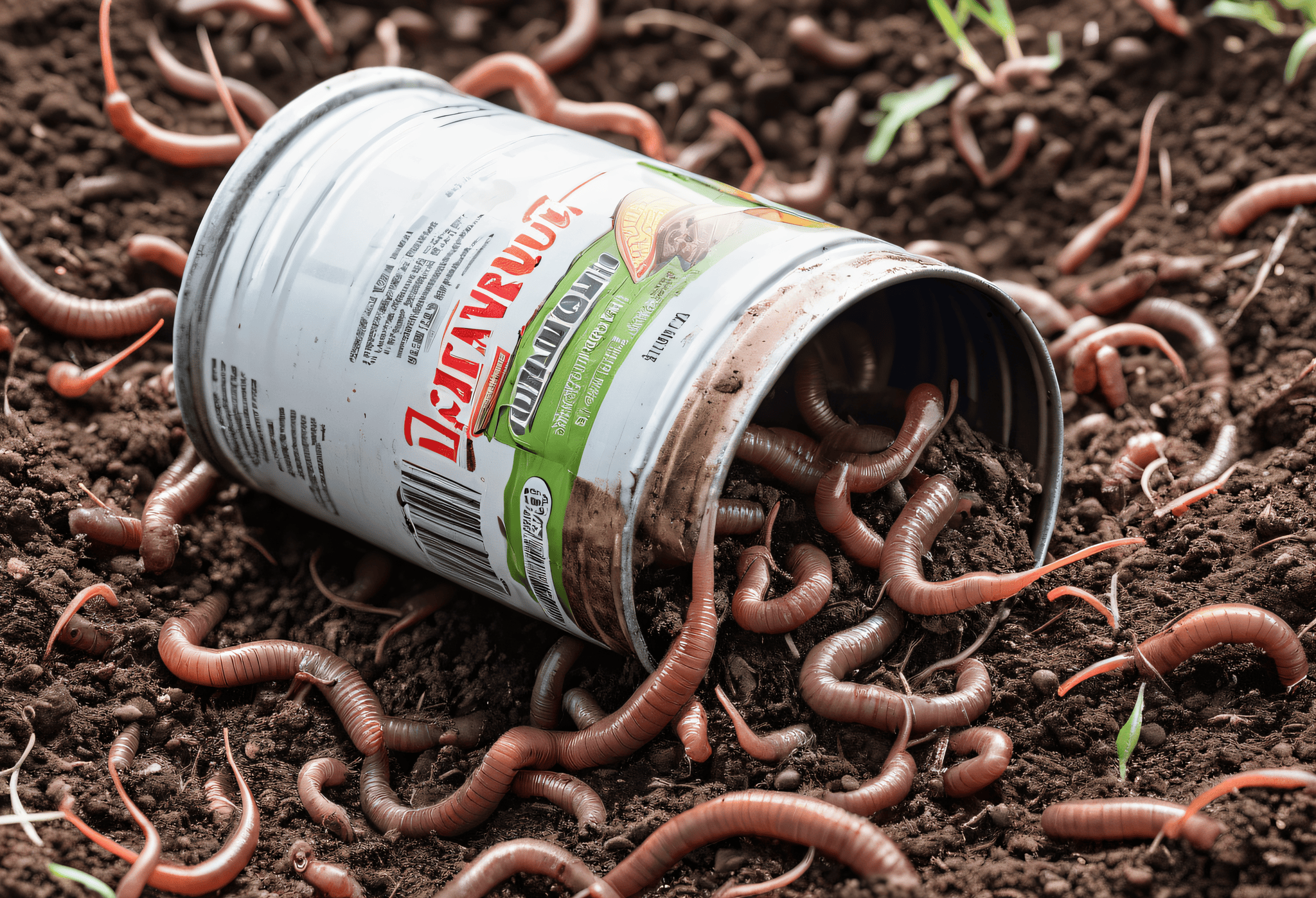
Smith said Oklahoma has dealt with many unintended consequences in the eight years since the Sooner state voted to legalize medical marijuana. “We have spent the majority of our time over the last six years trying to put the worms back in the can,” Smith said. He said North Carolina should take those lessons to heart as it prepares its final recommendations on a comprehensive cannabis policy.
Ownership Rules And Straw Owners
Smith said Oklahoma law required 75 percent of the ownership of any medical marijuana business to be held by an Oklahoma resident. “What we found early on is that folks from out of state moving in would find local Oklahoma residents that would take any sum of money to be straw owners of a business,” Smith said. “It was the bad actors or foreign nationals that were actually operating the business itself.”
Smith said the lack of restrictions in the early years did not go unnoticed. “We’ve been inundated with individuals from foreign countries that come here to profit off that,” Smith said. He told the committee his organization is aware of 27 different groups from at least 16 different countries that are operating illegally in Oklahoma.
Overproduction And The Black Market
By 2021, Smith said, Oklahoma had 8,400 commercial growers with no cap on how much could be grown. “You could potentially grow an infinite amount of marijuana plants,” said Smith. “That led to an abundance and overproduction of marijuana, which was destined for the black market.”
Smith said Oklahoma also did not place a limit on the number of medical cannabis business licenses. He told members of the subcommittee Thursday that the state’s experience with unlicensed operators and black market activity should inform North Carolina’s deliberations as the council works toward its final recommendations on a comprehensive cannabis policy.