 By
By The Evolution of Summer Strains in 2026
As the cannabis industry matures, the definition of a premium strain has shifted dramatically from simple potency metrics to complex sensory experiences and tailored effects. The summer of 2026 marked a pivotal moment for cultivators and consumers alike, as new genetic lines emerged to meet the demands of a sophisticated market. Unlike previous years where indica and sativa dominance dictated sales, this season highlighted the rise of balanced hybrids and unique landrace crosses. These new offerings are not just about getting high; they are about enhancing the daytime experience, providing clarity without sedation, and delivering aromatic profiles that elevate the ritual of consumption. The best-selling strains of this period reflect a consumer base that is increasingly educated, seeking specific therapeutic benefits alongside recreational enjoyment.
Terpene Profiles Take Center Stage
In 2026, the conversation around cannabis genetics moved decisively toward terpenes. Consumers were no longer satisfied with generic labels of “lemon” or “pine.” They sought out specific terpene compounds like limonene for mood elevation, myrcene for relaxation, and pinene for alertness. This shift has forced breeders to prioritize aromatic complexity over sheer THC percentage. Many of the top-performing strains of the summer featured distinct terpene profiles that mirrored popular culinary herbs and exotic fruits. For instance, a new lineage of Sativa-dominant hybrids showcased strong notes of basil and citrus, appealing to those looking for an uplifting yet grounded experience. This focus on aroma has created a new standard for quality, where the nose is just as important as the buzz.
The Rise of Daytime Hybrids
One of the most significant trends observed during the summer months was the popularity of daytime-friendly hybrids. With the normalization of cannabis use in social and professional settings, there was a growing demand for strains that offered functional euphoria rather than couch-lock. These strains typically balanced THC with moderate levels of CBD or specific minor cannabinoids like CBG. The result was a clear-headed state that allowed users to engage in creative pursuits, socialize, or perform daily tasks with enhanced focus. This trend aligns with broader wellness movements, where cannabis is integrated into routines as a tool for mental agility and stress management rather than just a means of escape.
Resilience in Cultivation Practices
The strains that thrived in the summer of 2026 were not only genetically superior but also resilient. As climate variability impacts global agriculture, cultivators have begun to select for hardier plants that can withstand heat stress and pest pressure without compromising quality. This has led to the development of robust hybrids that maintain their potency and flavor even under challenging growing conditions. The emphasis on sustainability has also influenced breeding programs, with a focus on reducing water usage and eliminating synthetic pesticides. These eco-conscious practices have not only improved the environmental footprint of cannabis production but have also resulted in cleaner, purer products that appeal to health-conscious consumers.
Regional Preferences and Market Dynamics
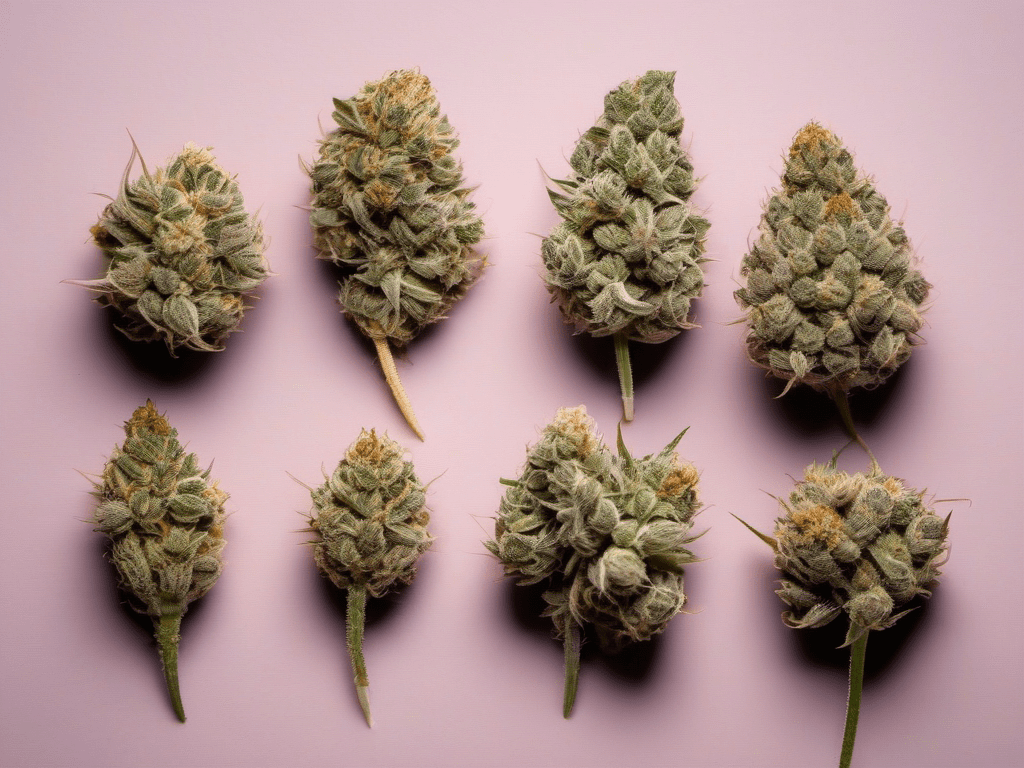
While national trends provide a broad overview, regional preferences continue to play a crucial role in shaping the strain landscape. In California, the market for 2025 and into 2026 showed a strong preference for classic genetics with a modern twist. Consumers in the West Coast were particularly drawn to strains that paid homage to legendary cultivars while offering improved consistency and stability. Meanwhile, markets in the Northeast and Midwest saw a surge in interest for indoor-grown flowers with dense buds and vibrant colors. This regional diversity highlights the importance of local breeding programs that cater to specific climatic conditions and consumer tastes. The result is a fragmented but vibrant market where local heroes can compete with national brands.
The Impact of Consumer Education
The sophistication of the modern cannabis consumer cannot be overstated. Today’s buyers are well-versed in the science of cannabinoids and terpenes, often consulting detailed product information before making a purchase. This increased level of education has driven transparency in the industry, with brands providing comprehensive lab reports and genetic lineage details. As a result, the market has become more competitive, with companies striving to differentiate themselves through unique offerings and superior customer service. The demand for educational content has also led to the rise of strain-specific guides and tasting events, which help consumers navigate the vast array of options available to them.
Looking Ahead to Future Innovations
As we look beyond the summer of 2026, the trajectory of cannabis strain development points toward even greater personalization. Advances in genomic sequencing and CRISPR technology hold the promise of creating strains tailored to individual genetic profiles. Imagine a future where your recommended strain is based on your specific DNA makeup, ensuring optimal efficacy and minimal side effects. While this technology is still in its infancy, the groundwork is being laid by breeders who are experimenting with precise genetic modifications. Until then, the current generation of strains offers a testament to the ingenuity of the cannabis community, providing a rich tapestry of flavors, effects, and benefits that continue to evolve and inspire.