

 By
By [ad_1]
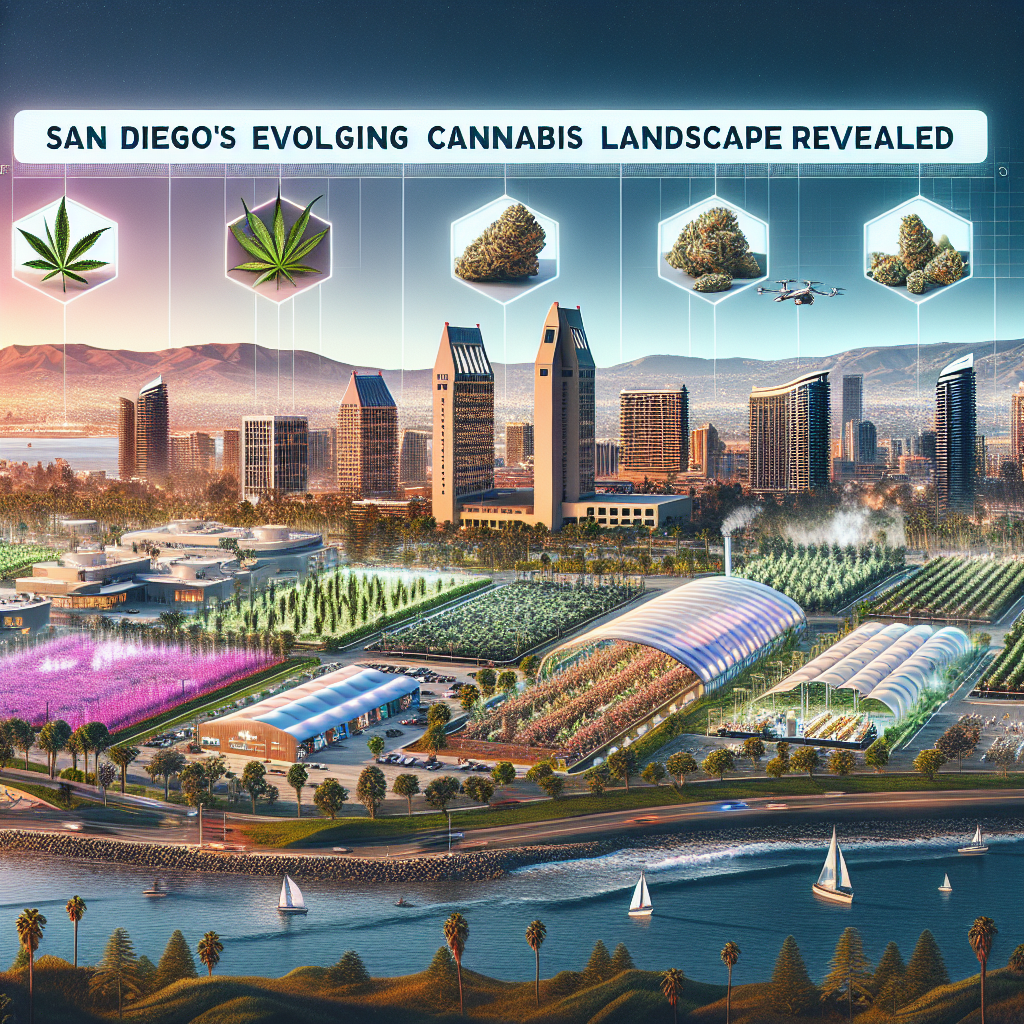
As a vibrant coastal city known for its stunning beaches and year-round sunshine, San Diego is also carving a unique niche in the cannabis industry. Following California’s landmark legalization of recreational cannabis in 2016, the city has experienced a significant transformation in how it perceives, regulates, and embraces cannabis culture. Today, San Diego stands at the forefront of an evolving cannabis landscape that reflects broader national trends while molding its own identity grounded in innovation, community engagement, and economic growth.
Historical Context and Current Regulations
California became the first state to legalize medical marijuana in 1996 with Proposition 215, paving the way for many others to follow suit. San Diego, with its large population and progressive mindset, quickly became a focal point for cannabis enthusiasts and entrepreneurs. The real turning point came in 2016 with the passage of Proposition 64, which allowed adults aged 21 and older to purchase cannabis for recreational use. San Diego’s City Council responded by drafting a framework for regulated businesses, paving the way for dispensaries, cultivation sites, and manufacturers to flourish.
As of now, San Diego has over 120 licensed cannabis dispensaries, each adhering to strict state and local regulations. Licensing requirements can be cumbersome, often involving background checks and extensive documentation. However, these regulations ultimately aim to ensure public safety while promoting a responsible cannabis market. The city’s approach reflects a commitment to safety and oversight, akin to how other economies manage burgeoning industries.
Current Trends and Economic Impact
Today, an estimated 186,000 people work in the cannabis industry in California, with a substantial number based in San Diego. This booming sector not only provides jobs but also significantly contributes to local revenues through taxes. In 2022 alone, San Diego collected over $31 million in cannabis tax revenues, funds that have been earmarked for vital public services such as education, public safety, and parks.
Moreover, the demographics of cannabis consumers are shifting. No longer the exclusive domain of older generations or experimental youth, cannabis consumption is becoming mainstream among a wider range of demographics, including professionals, wellness advocates, and tourists. For instance, strains touted for their therapeutic effects are gaining traction among more mature users looking for alternatives to pharmaceuticals. This change has fueled a rise in specialty dispensaries and wellness-oriented cannabis brands, catering to this more diverse consumer base.
Innovations in Products and Services
As the consumer demands have evolved, so have the products available on the market. In addition to traditional flower strains, a growing emphasis on health and wellness has led to the rise of products such as CBD oils, infused edibles, and topicals. The trend of microdosing—consuming small amounts of cannabis to achieve specific therapeutic benefits—has also sparked interest. Companies are innovating dairy-free, gluten-free, and vegan edible options to reach health-conscious consumers.
Moreover, many local dispensaries are not merely sales outlets; they have transformed into community hubs offering workshops, educational seminars, and events. For example, shops frequently invite local experts to talk about the medicinal benefits of cannabis, helping to dispel stigma and encourage informed consumption. This community-oriented approach enriches the cannabis landscape as it fosters education and cultivates a culture of acceptance around cannabis use.
Challenges and Opportunities
Despite its robust growth, San Diego’s cannabis industry faces several challenges. The lack of federal legalization continues to hinder the industry’s potential, with issues related to banking, interstate commerce, and taxation mounting over time. Many businesses are forced to operate in a cash-only environment due to federal regulations prohibiting banks from serving cannabis companies. Additionally, local governments face ongoing debates about zoning laws concerning where cannabis businesses can operate, culminating in a patchwork of legality that varies from one municipality to another.
Furthermore, competition is steep among both local and national cannabis brands, driving many smaller operations to collaborate or even merge to survive. This consolidation may streamline certain aspects of the industry, but it could also stifle innovation as larger corporations dominate the space. Stakeholders argue that if cannabis were legalized at the federal level, it could pave the way for a more standardized set of regulations, thus fostering healthier competition and sustainable business practices across the board.
A Future in Bloom
Looking ahead, San Diego’s cannabis industry is poised for continued growth. The social stigma surrounding cannabis use is diminishing, and more public figures are emerging as advocates for cannabis as both an economic driver and a legitimate form of therapy. Recent studies have established cannabis’s potential benefits for treating conditions such as chronic pain and anxiety, further legitimizing its place in various health and wellness paradigms.
As community engagement efforts grow and consumer education becomes increasingly accessible, the next few years may see a more well-rounded understanding of cannabis’s role in society. Investors, consumers, and policymakers are all keeping a keen eye on how the industry evolves, noting that a responsible and informed approach will ultimately determine its success.
Conclusion: Cultivating a Thoughtful Future
In conclusion, San Diego’s evolving cannabis landscape is a microcosm of broader trends in the United States. As the city continues to navigate the complexities of legalization and regulation, it offers valuable insights into the benefits and challenges of this burgeoning industry. The journey is far from over, but here lies an opportunity to redefine not just the cannabis market, but also perceptions surrounding its use. The call to action is clear: foster innovation, provide education, and wholly embrace this cultural shift. As residents of San Diego—or indeed, any city—consider their relationship with cannabis, they stand at the forefront of an exciting and transformative era.
[ad_2]