
 By
By [ad_1]
In recent years, cannabis has experienced a remarkable resurgence in popularity, not just for recreational use but for its therapeutic potential as well. With increasing legalization across various states, Americans are exploring how cannabis can complement mindfulness practices—an ancient technique aimed at cultivating awareness and presence. As the conversation around cannabis evolves, mindfulness is emerging as a key component in the journey of conscious consumption, enhancing both the cultivation and enjoyment of this powerful plant.
Understanding Mindfulness and Cannabis
Mindfulness is the practice of being present and fully engaging with the moment without judgment. It allows individuals to observe thoughts and feelings with a gentle awareness. This practice can often lead to reduced stress, heightened emotional regulation, and improved quality of life. The infusion of cannabis into mindful practices offers a unique perspective—enabling users to deepen their awareness and promote relaxation.
As cannabis enters mainstream health discussions, studies indicate that certain strains and compounds, particularly cannabidiol (CBD), can enhance mindfulness experiences. According to a 2021 study published in the Journal of Psychopharmacology, participants who consumed low doses of CBD reported higher levels of mindfulness and relaxation compared to a control group. These insights highlight an enriching synergy between mindful practices and cannabis, paving the way for innovative approaches to mental health and well-being.
Current Landscape of Cannabis Legalization
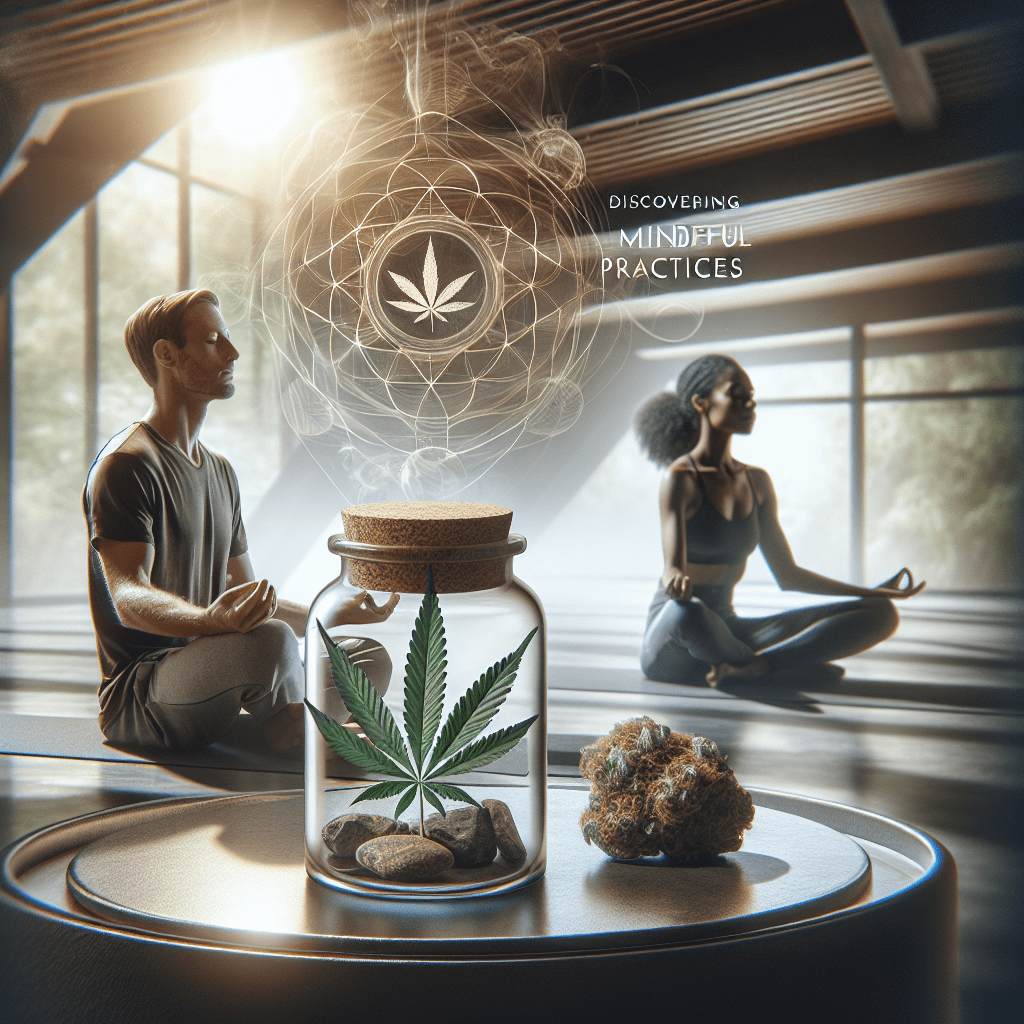
The U.S. has witnessed a significant shift in cannabis legislation over the past decade. As of 2023, about 37 states have legalized recreational or medicinal cannabis, allowing individuals more freedom in their consumption choices. This legalization has opened doors for research into cannabis’s effects, particularly in conjunction with wellness practices. In states like California and Colorado, cannabis lounges are becoming pop-up venues where mindful practices such as yoga and meditation sessions are coupled with cannabis use, offering a communal space for mindful experimentation.
Emerging trends show a rise in businesses crafted around “cannabis wellness,” offering products like CBD-infused teas and edibles designed to complement mindfulness practices. Such businesses aim not only to capitalize on the market but to promote holistic health approaches among consumers. By blending cannabis with daily self-care rituals, practitioners find new ways to disconnect from stress and reconnect with themselves.
Mindful Rituals: Integrating Cannabis into Practice
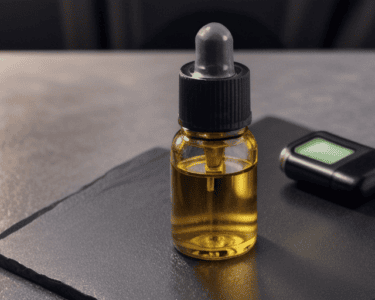
Many individuals are finding ways to incorporate cannabis into their daily mindfulness routines. One popular approach is consuming low-dose edibles or tinctures before engaging in meditation or yoga, creating an atmosphere ripe for introspection and relaxation. Strains high in CBD and low in THC tend to be favored for these practices, as they provide calming effects without the psychoactive impact often associated with higher THC doses.
Another increasingly popular practice is the use of cannabis-infused herbal teas during mindful moments. The act of brewing tea itself can be meditative; the heat, scents, and flavors all engage the senses. Adding a touch of cannabis not only enhances the experience but also provides potential therapeutic benefits that may align with an individual’s needs—be it pain relief, anxiety reduction, or a more profound sense of well-being.
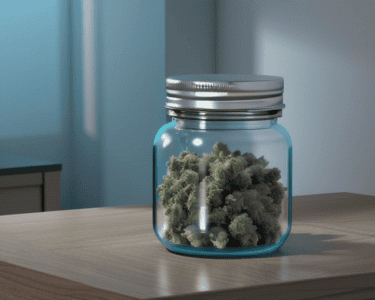
Mindful consumption also extends to how individuals engage with the plant itself. From sourcing ethically grown cannabis to focusing on the rituals surrounding its usage—such as rolling a joint or preparing for a session—these conscious decisions contribute to an overall mindful experience. By treating cannabis with respect and intention, users deepen their connections to the practice and highlight the importance of ethical consumption.
Challenges and Considerations
Despite the benefits, integrating cannabis into mindful practices does not come without its challenges. The stigma surrounding cannabis use persists, and misconceptions can cloud perceptions—particularly among older generations or those unfamiliar with its therapeutic benefits. Moreover, with varied strain potencies and individual reactions, there is a risk of overwhelming feelings in new users, underscoring the importance of starting with low doses and seeking expert guidance.
As cannabis markets continue to expand, so does the need for comprehensive education surrounding its uses and impacts. Organizations are beginning to fill this gap by offering workshops that merge cannabis education with mindfulness techniques. These initiatives aim to create safe spaces where newcomers can learn about different strains, their effects, and how best to incorporate them into their mindful practices.
The Future of Mindfulness and Cannabis
As we continue to navigate the evolving relationship between cannabis and mindful practices, the future appears promising. The ongoing exploration of cannabis in conjunction with mindfulness could pave the way for more tailored therapeutic approaches in mental health care. Mental health professionals are increasingly acknowledging the potential of cannabis as part of holistic treatment plans, provided users are educated and informed.
The ongoing legislative changes and growing acceptance reflect a societal shift toward recognizing the importance of mental health and well-being. As more states embrace this evolution, the conversation will undoubtedly broaden, leading to further advancements in research and understanding.
In conclusion, merging cannabis with mindful practices offers not only a path to personal wellness but also a broader cultural shift toward holistic living. As individuals learn to approach cannabis consumption with intention, they may find deeper meaning and connection to themselves and their surroundings. The future holds promise, not just for mindfulness and cannabis enthusiasts but for a society that is increasingly recognizing the importance of mental health and self-care. As this conversation continues to unfold, the integration of mindful practices with cannabis invites us all to explore new dimensions of well-being—raising questions about awareness, intention, and the nature of our conscious experiences.
[ad_2]