
 By
By [ad_1]
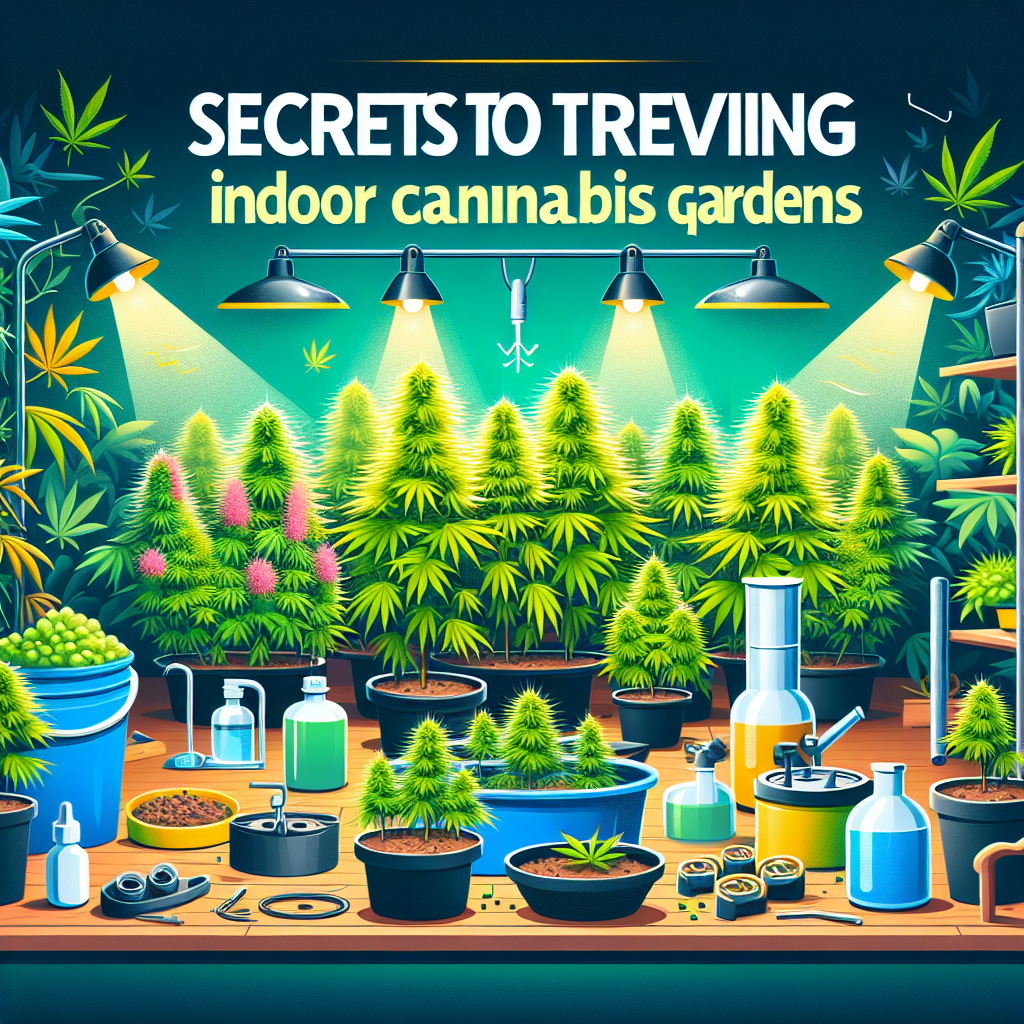
The indoor cultivation of cannabis has exploded in popularity in the U.S., becoming not just a pastime for enthusiasts but a burgeoning industry worth billions. As more states legalize cannabis for both medical and recreational use, aspiring growers are increasingly setting up indoor gardens. While creating a lush and fruitful indoor cannabis garden may seem daunting, understanding the nuances of indoor cultivation can lead to phenomenal results. This article uncovers the secrets to thriving indoor cannabis gardens, encompassing essential techniques, current trends, and expert insights.
Understanding the Basics of Indoor Cultivation
Growing cannabis indoors provides the advantage of controlling environmental factors like light, temperature, and humidity. In a country where cannabis laws vary widely, indoor cultivation also allows for a discreet operation, perfect for those in less lenient states. The foundation for successful indoor growing begins with selecting the right strains, as each strain has its unique growth characteristics and needs.
Today, hybrid strains—those developed from both indica and sativa cannabis—are particularly popular due to their high yield and robust resistance to pests and diseases. Consulting with local dispensaries or online cannabis communities can provide valuable insights into which strains will thrive in an indoor setting. Additionally, understanding the plant’s life cycle, from seedling to flowering, is essential for timing your care and maximizing your harvest.
Choosing the Right Grow Setup
Once you’ve selected your strain, the next step is choosing the right setup. At a minimum, you’ll need grow lights, ventilation systems, and nutrient solutions. Modern innovations have revolutionized grow light technology. LED lights are now considered the gold standard, as they provide efficient energy consumption while offering the specific light spectrum that cannabis plants need throughout their life stages.
Moreover, cultivating in a controlled environment allows for temperature regulation. The ideal temperature range during the vegetative stage is between 70-85°F and 65-80°F during flowering. Ventilation systems are crucial for preventing mold and mildew, which are notorious for ruining crops. Proper air circulation can also strengthen plants by allowing them to develop sturdier stems capable of supporting larger buds.
Soil and Nutrient Management
Nurturing your cannabis plants with the right soil and nutrients is critical. Many growers opt for organic soils enriched with nutrients like peat moss, compost, or vermiculite. This rich environment supports healthy root development and provides essential minerals for plant growth. Always perform a soil test before planting to determine its nutrient content and pH level.
In addition to soil quality, nutrient management plays a vital role in indoor gardens. Cannabis plants have specific nutrient needs at different growth stages. During the vegetative stage, they require higher nitrogen levels, while phosphorus and potassium are essential during flowering. Many commercial nutrient solutions are available, but mixing homemade solutions can also yield effective results and cut costs.
Monitoring Environmental Conditions
To create a thriving indoor cannabis garden, constant monitoring of environmental conditions is paramount. Humidity and temperature levels can significantly impact plant health. A humidity range of 40-60% is ideal for most stages of growth, but it should be lowered to about 40% during flowering to prevent bud rot. Utilizing humidity and temperature sensors will enable you to make real-time adjustments.
Moreover, CO2 levels play a crucial role in the photosynthesis process. While atmospheric CO2 levels are generally around 400 ppm, many indoor growers boost this to about 1000-1500 ppm during the flowering stage to maximize growth. This necessitates additional ventilation strategies to balance oxygen levels.
Pest and Disease Control
Even in a controlled environment, pests and diseases can wreak havoc on your indoor garden. Regularly inspecting plants for signs of infestations and diseases is a best practice. Implementing preventive measures such as using beneficial insects—like ladybugs or predatory mites—can significantly mitigate potential issues.
For existing infestations, organic treatments such as neem oil or insecticidal soap can help. However, care must be taken not to apply these too close to harvest, as they can affect the final product’s flavor. Staying informed through resources like the USDA’s guidelines for pest management can empower growers to tackle these challenges effectively.
Navigating Legal and Market Trends
The landscape of cannabis cultivation in the U.S. is constantly evolving, with new legislation emerging regularly. As of 2023, states like Illinois have made strides in creating equitable distribution among cannabis businesses. Many now encourage personal cultivation as part of broader legalization measures. Understanding these laws not only provides an ethical backbone for your business or hobby but also frames the market in which you operate.
Current market trends indicate a growing preference for organic and sustainably grown cannabis. Consumers are increasingly educated about the impact of pesticides, leading to a rise in demand for clean, organic products. This trend offers an opportunity for growers to differentiate their product while also adhering to eco-friendly practices.
The Future of Indoor Cannabis Cultivation
As the cannabis industry continues to mature, the future for indoor growers looks bright. Technological advancements such as automated grow systems, AI-driven analytics, and advanced hydroponics will make it easier for both novice and experienced growers to enhance their efforts. Additionally, ongoing research focuses on plant genetics, aiming to produce strains with better yields and greater resistance to pests and diseases.
In conclusion, successfully cultivating cannabis indoors requires a blend of knowledge, diligence, and creativity. By understanding the basics of growth, investing in the right technology, and remaining aware of market trends, growers can create an environment where their plants can thrive. For those passionate about cannabis cultivation, the rewards—whether personal satisfaction or financial gain—are worth the effort. As laws evolve and the market grows, indoor cannabis gardening is poised to remain an exciting and rewarding venture. Now is the time to get involved, educate yourself, and cultivate your passion.
[ad_2]