
 By
By The Shifting Landscape of Cannabis Access
The global cannabis industry is currently navigating a period of unprecedented regulatory turbulence, with legal frameworks shifting beneath the feet of cultivators and consumers alike. In the United States, the federal hemp sector has received a temporary reprieve, with the Senate extending the compliance deadline by twenty-nine days to December 11. This extension comes after a week of political fights and a threatened holdup of the entire government, highlighting the delicate balance between legislative intent and industry survival. On Saturday morning at 3:35, the Senate voted to give the hemp industry this final window to align with new THC concentration standards before the ban on most hemp-derived products takes full effect.
Meanwhile, international markets are undergoing their own profound transformations. Thailand, where cannabis is always available regardless of whether you are in the beautiful tropical Chiang Mai or the urban jungle of Bangkok, has seen shifts in its regulatory landscape. For the sativa-dominant strains that have long been celebrated for their uplifting and energizing effects, these regulatory shifts create a complex environment. Consumers who once enjoyed unregulated access to high-sativa landrace varieties now face a landscape defined by strict compliance, medical necessity, and the lingering effects of historical prohibition.
Democratizing the Market for Small Growers
As federal and state regulations tighten, the structure of cannabis distribution is evolving to support smaller, more localized operations. New York has recently expanded access to Cannabis Showcase Events, allowing licensed microbusinesses to sell directly to consumers at temporary markets. This policy shift is particularly significant for small-scale growers who have historically struggled to compete with the marketing budgets and shelf space of large dispensary chains. By permitting sales at farmers markets where buying vegetables, artisanal cheese, and weed at the same market isn’t exactly what most people picture the state is creating a new avenue for small operators to reach consumers beyond traditional retail environments.
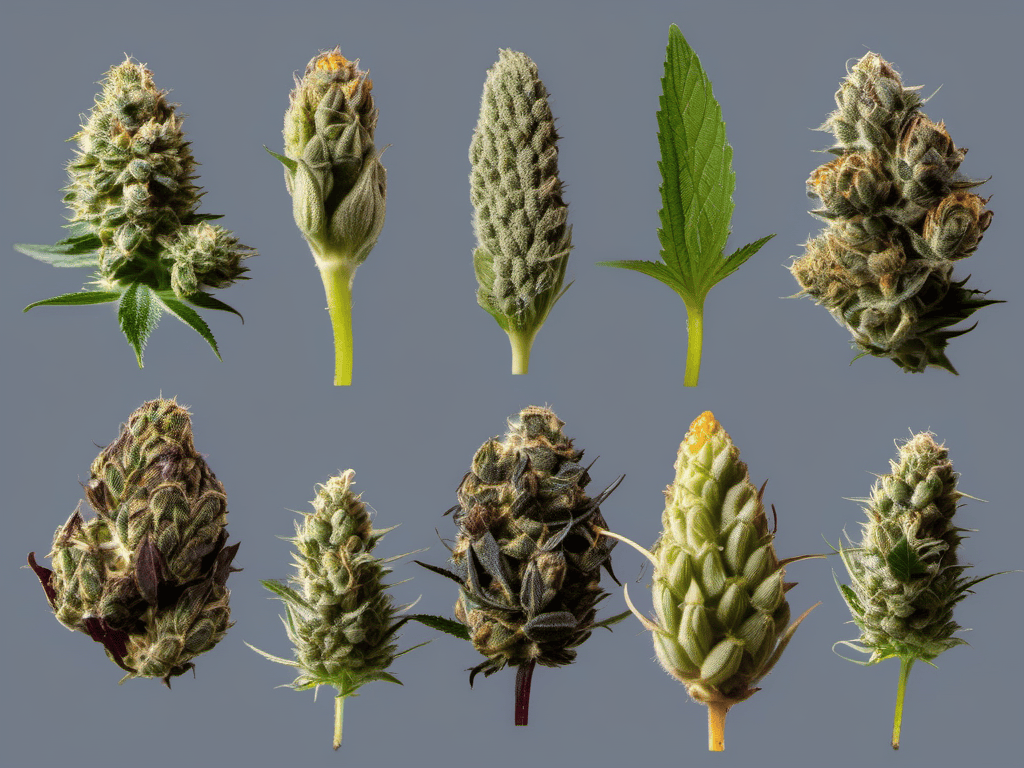
This move toward decentralized sales models benefits the diversity of strains available to the public. Small growers often focus on niche, heirloom, or locally adapted sativa genetics that might not fit the mass-market profile of national dispensary brands. These strains often possess unique terpene profiles and distinct aromatic qualities that appeal to connoisseurs seeking authenticity over uniformity. However, the opportunity comes with challenges. Events remain tightly regulated, and growers must navigate significant costs related to compliance and logistics. The success of this model will likely depend on how effectively small producers can manage these operational hurdles while maintaining the quality and consistency that discerning sativa enthusiasts demand.
The Enduring Legacy of Sativa Heritage
While regulations evolve, the cultural memory of cannabis remains deeply tied to the legacy of classic sativa strains. The story of Vernell “Pop Snoop” Varnado, father of Snoop Dogg, illustrates this deep-rooted connection. Having lived through nearly every era of modern American cannabis culture, from his first joint overlooking San Francisco to the backyard plants in Inglewood, Varnado’s experiences reflect the journey of the plant itself. He remembers arriving in California from Mississippi, trading the small Southern town where he grew up for a city that embraced cannabis as part of the social fabric, much like the “happy smoke” scenes in Vietnam or the Amsterdam coffeeshops of later years.
Despite having access to almost any variety of weed he desires today, Varnado admits he still cannot find Panama Red. This elusive landrace strain, a pure sativa native to Central America, has become a symbol of a bygone era of cannabis cultivation. Its rarity underscores the loss of genetic diversity th