

 By
By [ad_1]
In recent years, the cannabis industry has experienced significant growth as more states legalize its use for both recreational and medicinal purposes. While this burgeoning sector brings economic opportunities, it also poses environmental challenges. As with any agricultural endeavor, the cultivation of cannabis has an ecological footprint. However, many cultivators are embracing sustainability practices to minimize their impact on the environment. This article explores current sustainability trends in cannabis cultivation in the United States, showcasing innovative practices and highlighting the importance of responsible growth.
The Environmental Impact of Cannabis Cultivation
Cannabis cultivation can be resource-intensive, demanding considerable water, energy, and land. Greenhouse gas emissions from indoor grow operations can rival those of traditional agriculture. For instance, a report from the cannabis industry found that indoor facilities used roughly four times more energy per gram of cannabis produced than outdoor farms. Water usage is equally concerning, with some studies estimating that growing one kilogram of cannabis can consume over 6,000 liters of water. Such figures underscore the need for sustainable methods to mitigate these effects.
Sustainable Practices Gaining Traction
As the conversation around sustainability in agriculture broadens, many cannabis cultivators have adopted innovative practices that align with eco-friendly principles. One of the most notable approaches is organic farming. By avoiding synthetic fertilizers and pesticides, organic growers foster healthier soil ecosystems. This method not only benefits plant health but also promotes biodiversity. For instance, some growers incorporate cover crops to enrich soil health and reduce erosion, creating a more resilient ecosystem.
Additionally, regenerative agriculture is gaining popularity within the cannabis sector. This holistic method focuses on rebuilding soil health and increasing biodiversity through practices such as crop rotation, composting, and agroforestry. An increasing number of cultivators are recognizing that regenerative practices can enhance both the yield and quality of their products while safeguarding natural resources.
Water Conservation Techniques
Water scarcity is a pressing issue in many regions, particularly in states like California, where cannabis cultivation is prominent. Many cultivators are now investing in water conservation technologies. For example, drip irrigation systems offer a more efficient alternative to traditional watering methods, delivering water directly to the roots and minimizing waste. Some farms have adopted rainwater harvesting systems, capturing excess rainwater for irrigation. These methods not only reduce dependency on municipal water supplies but also help mitigate water shortages.
In tandem with these techniques, some cultivators are experimenting with aquaponics and hydroponics. These systems utilize recirculating water, creating a symbiotic relationship between fish and plants that drastically reduces water consumption compared to traditional growing methods. This efficiency has the potential to revolutionize cannabis cultivation, particularly in arid regions with limited water resources.
Energy Efficiency and Renewables
The energy demands of cannabis cultivation are substantial, especially in indoor operations that rely on artificial lighting and climate control. To address this challenge, many cultivators are leaning into energy-efficient technologies. LED lighting has become a standard choice, consuming significantly less power than traditional HID lights while delivering the same quality of light. Coupled with smart climate control systems, these innovations are helping growers reduce their energy consumption and associated costs.
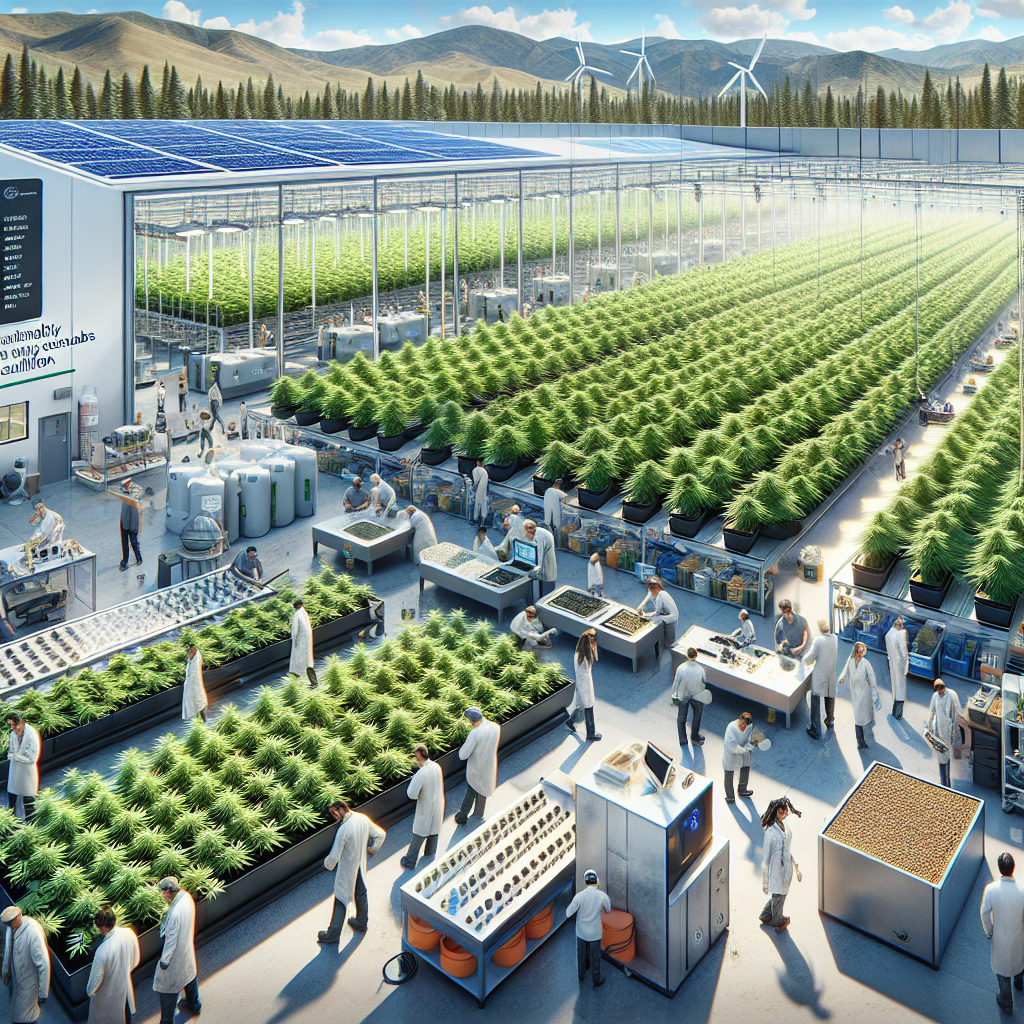
Moreover, the adoption of renewable energy sources is on the rise. Solar panels are becoming increasingly popular in cannabis facilities, allowing cultivators to harness clean energy while reducing reliance on fossil fuels. The implementation of solar energy not only lowers operational costs but also enhances a grower’s sustainability profile. Some states even offer incentives for businesses that invest in renewable energy, further encouraging this shift.
The Role of Certification and Consumer Awareness
As the market matures, consumers are becoming more conscious of sustainability practices. Certifications such as Clean Green Certified or USDA Organic provide shoppers with a way to identify eco-friendly growers. Brands that prioritize sustainability often attract consumers who value environmental responsibility, creating a competitive edge. This trend can also incentivize more growers to adopt sustainable practices, knowing that they stand to gain market share by appealing to eco-conscious customers.
Incorporating transparency in business practices is equally important. Companies that actively communicate their sustainability efforts can build trust with their customers. By sharing information about cultivation methods and environmental initiatives, cannabis cultivators can educate consumers and promote wider acceptance of sustainable practices in the industry.
Future Directions in Sustainable Cannabis Cultivation
Looking ahead, the cannabis industry must continue to prioritize sustainability amidst its rapid growth. As regulatory frameworks evolve and consumer preferences shift, embracing environmentally friendly practices will be essential for the industry’s long-term viability. Collaborating with environmental organizations and integrating emerging technologies will enhance the sustainability of cultivation practices.
Furthermore, continued research into sustainable cultivation methods will yield new insights and innovations. The cannabis industry can learn from agricultural best practices across various sectors, applying successful strategies to its unique challenges. The emergence of sustainable cannabis brands can pave the way for an industry that balances profitability with environmental stewardship.
Conclusion: A Path Forward
The future of cannabis cultivation in the United States lies in its ability to merge innovation with sustainability. As growers adopt environmentally responsible practices, they not only mitigate their ecological impact but also set a precedent for other agricultural sectors. Consumers play a crucial role in this evolution; by advocating for and supporting sustainable products, they can drive demand for responsible cultivation methods. Ultimately, the success of the cannabis industry will depend on its commitment to sustainability, prompting a thoughtful reflection on what it means to cultivate a green future in cannabis. The path forward is one where the industry collaborates with nature rather than against it, ensuring that the benefits of cannabis cultivation extend beyond financial gains to embrace environmental preservation for generations to come.
[ad_2]