
 By
By [ad_1]
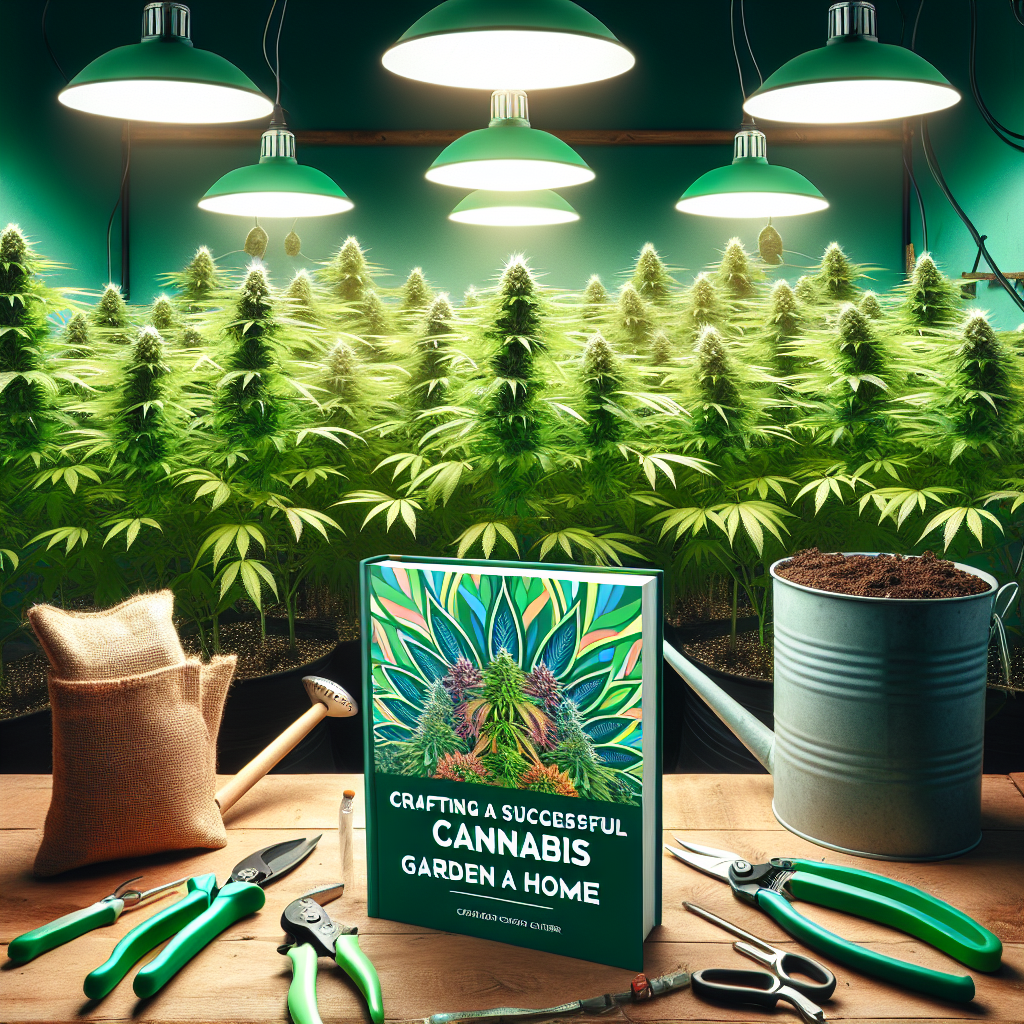
Crafting a Successful Cannabis Garden at Home in the United States
As the cannabis industry continues its seismic shift from prohibition to acceptance, home cultivation has emerged as a rewarding and feasible endeavor for countless Americans. With an increasing number of states legalizing both medical and recreational cannabis, many enthusiasts are embarking on the journey of creating their own cannabis gardens. In this article, we will explore the essentials of cultivating cannabis at home, current regulations, and expert insights that can help you craft a successful personal garden.
Understanding the Legal Landscape
Before plunging into cultivation, it’s essential to grasp the legal framework surrounding home growing. As of 2023, 21 states and the District of Columbia have legalized recreational use, while numerous others permit medical use. Each state has its own specific regulations regarding the number of plants one can cultivate, the means of obtaining seeds, and the legal age for cultivation. For instance, California allows adults over 21 to grow up to six plants, while New York permits three mature plants. Always check your local laws to ensure compliance and safeguard your gardening efforts.
One significant trend in the legal cannabis landscape is the increasing push for home cultivation rights. Advocacy groups are gaining momentum in various states, emphasizing the importance of personal sovereignty over one’s wellness. This shift is resulting in broader acceptance of home cultivation, making it more accessible for would-be gardeners to operate within the law.
Selecting the Right Strains
Choosing the right cannabis strains is crucial for a successful home garden. Factors to consider include climate, desired potency, and growth style—sativa, indica, or hybrid. For beginners, fast-growing and resilient strains, such as Northern Lights or Blue Dream, can provide an excellent introduction to cultivation. Furthermore, many growers are experimenting with CBD-dominant strains amidst rising interest in cannabis’ therapeutic applications. Strains like Charlotte’s Web have gained popularity for their potential benefits without the intoxicating effects typically associated with THC.
As cannabis genetics continue to evolve, the trend towards feminized seeds—seeds that produce only female plants—has become dominant. Female plants are necessary for producing flowers, which are the primary focus of cannabis cultivation. Purchasing seeds from reputable breeders can ensure robust genetics and viability, ultimately leading to a more productive garden.
Building Your Indoor or Outdoor Space
When it comes to cultivating cannabis at home, selecting the right environment is vital. Indoor growing offers the advantage of full control over climate, light, and pests, while outdoor growing can harness natural sunlight, resulting in strong plants. Each option has its pros and cons.
For indoor growers, investing in a high-quality grow tent accompanied by LED lighting can yield impressive results. Many experts recommend keeping a consistent light cycle—typically 18 hours of light and six hours of darkness during the vegetative stage and switching to a 12/12 cycle to trigger flowering. Ventilation and humidity control are also critical, as they prevent mold and other issues that could jeopardize yields.
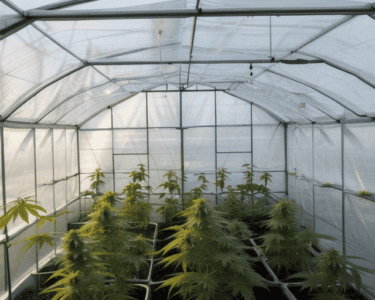
Outside, location matters. If you choose to grow outdoors, look for a spot that gets plenty of sun and can shield plants from extreme weather conditions. If you are in a climate with unpredictable weather, consider using greenhouses or hoop houses to further protect your plants.
Soil and Nutrients
Healthy soil is often touted as the foundation of a successful garden. Organic soil mixes typically yield the best results, as they retain moisture and supply essential nutrients. Growing cannabis doesn’t have to be an expensive endeavor; many growers opt for homemade compost and organic fertilizers to enrich their soil sustainably.
As your plants mature, they will require different forms of nourishment. During the vegetative stage, they will thrive on nitrogen-rich options, while phosphorus and potassium will be vital during flowering. Monitoring pH levels and conducting routine soil tests can catch nutrient deficiencies before they hinder growth. This attention to detail is crucial; expert growers often recommend investing time in learning about the nutritional needs of your specific strains.
The Importance of Patience
One of the most crucial lessons in home cannabis cultivation is the virtue of patience. Time management and careful monitoring are fundamental, from germination to harvest. Typically, cannabis plants take anywhere from three to five months to reach maturity. Regularly checking on their health, watering needs, and nutrient levels creates a nurturing environment that promotes success.
Moreover, learning and adapting your practices based on your experiences is part of the journey. Whether you’re faced with pest invasions, nutrient deficiencies, or unexpected weather conditions, each setback can be a learning opportunity. Participating in local cannabis community groups or online forums can provide invaluable wisdom from seasoned cultivators.
Navigating Current Trends
In 2023, the cannabis industry is witnessing several exciting trends that could influence home cultivation practices. One significant trend is the increasing focus on sustainability, with many growers opting for organic, eco-friendly practices. Urban gardening is also expanding, with innovative approaches like hydroponics and aquaponics gaining traction due to their efficiency and space-saving benefits.
Furthermore, advancements in technology, such as smart grow systems equipped with sensors that monitor climate conditions, are helping growers optimize their yields with minimal effort. As more states adopt legalization, the market for home-cultivation products continues to grow, leading to a diverse array of tools and resources for novice and expert growers alike.
Conclusion
Crafting a successful cannabis garden at home offers not only personal rewards but also contributes to the broader acceptance of cannabis within society. By understanding the legal framework, selecting the right strains, constructing an appropriate growing environment, and practicing patience, anyone can embark on this fulfilling journey.
As the industry evolves, staying informed about current trends and adopting sustainable practices can enhance not just your harvest, but the well-being of your community. The cultivation of cannabis is not merely a personal endeavor; it is a reflection of changing perceptions, rights, and the cultivation of a more mindful lifestyle. As you tend to your plants, you, too, will find that gardening becomes as much about self-discovery as it is about nurturing your cannabis.
[ad_2]