 By
By [ad_1]
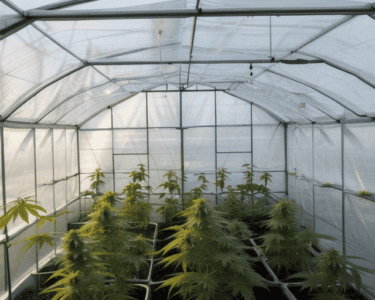
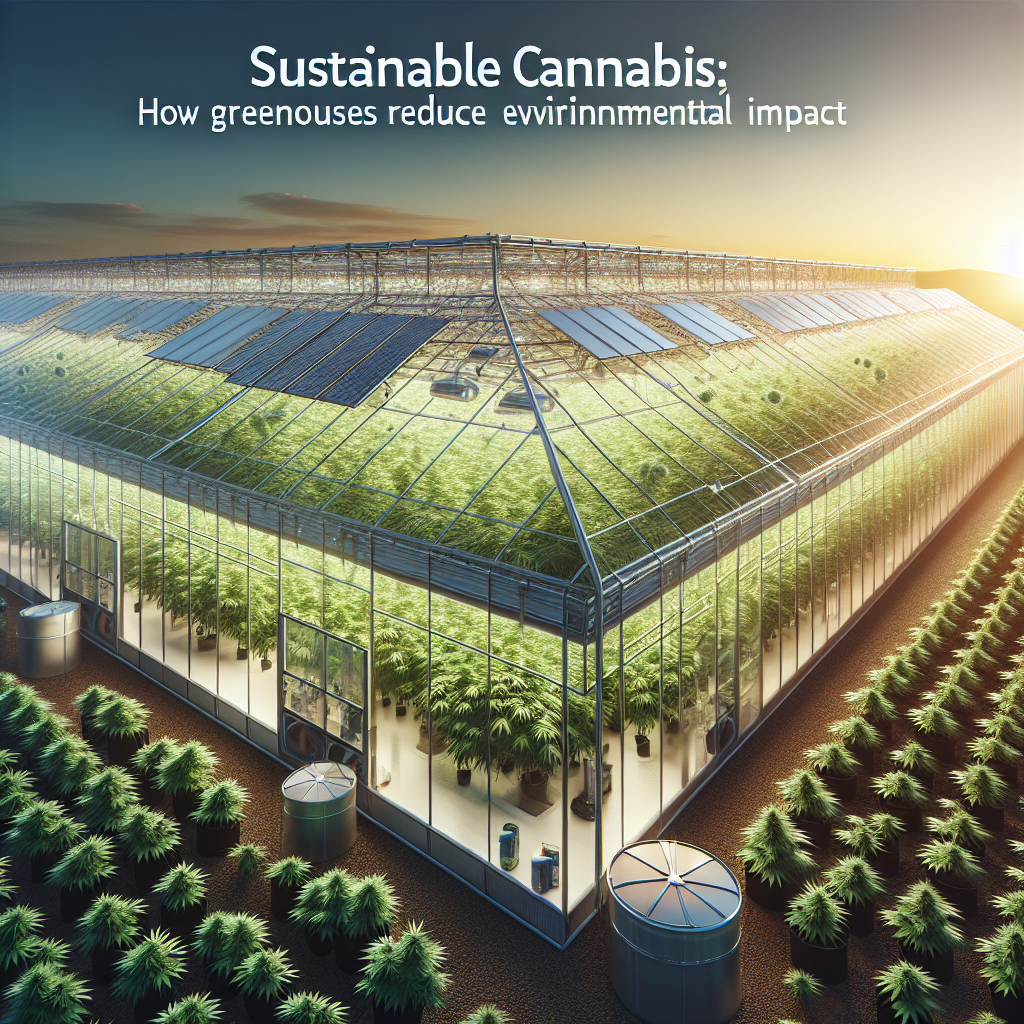
As the cannabis industry continues to flourish, addressing its environmental footprint has become increasingly crucial. Cultivating cannabis, particularly when grown outdoors or using traditional indoor methods, can impose significant strain on local ecosystems. In response, innovative growers are shifting towards greenhouse cultivation, which offers a more sustainable approach. Greenhouses provide a balanced environment that optimizes plant growth while minimizing negative impacts on the environment.
The Environmental Impact of Cannabis Cultivation
Growing cannabis demands a variety of resources, significantly impacting water, electricity, and land usage. Traditional indoor growing, for instance, often requires extensive artificial light, HVAC systems, and water inputs. Such operations usually consume vast amounts of energy, contributing to greenhouse gas emissions. Furthermore, many regions face water scarcity issues exacerbated by agricultural demands, with cannabis cultivation often consuming higher volumes than traditional crops.
In contrast, outdoor cannabis cultivation can lead to habitat destruction, soil degradation, and pesticide runoff into local water sources. As a result, the quest for sustainable cannabis cultivation has become a pressing concern among policymakers, environmentalists, and growers alike.
Benefits of Greenhouse Cultivation
-
Energy Efficiency: Greenhouses can significantly reduce energy consumption compared to indoor grows. Utilizing natural sunlight to nurture plants minimizes the dependency on artificial lighting. Growers can integrate passive solar principles and innovative technologies such as LED lights and energy-efficient heating systems to further reduce energy usage.
-
Water Conservation: Greenhouse cultivation employs advanced irrigation systems, such as drip irrigation and rainwater harvesting, to optimize water usage. These methods minimize evaporation and runoff, ensuring that water is delivered directly to the roots of the plants. According to a study by the University of California, efficient irrigation practices can reduce water usage by 30-50%, a crucial factor in water-scarce regions.
-
Reduced Pesticide Use: Controlled environments in greenhouses help manage pests and diseases more effectively, reducing the need for synthetic pesticides and herbicides. Growers can apply integrated pest management (IPM) strategies, which include introducing beneficial insects, biological controls, and careful monitoring to maintain a healthy ecosystem.
-
Minimizing Carbon Footprint: With reduced energy consumption and efficient water usage, greenhouse cannabis farms can significantly minimize their carbon footprint. A 2020 report from Colorado State University observed that greenhouse cannabis production could emit up to 70% fewer greenhouse gases compared to traditional indoor operations.
-
Soil Health: Greenhouses allow for better soil management practices. By using organic amendments, compost, and cover cropping, growers can enhance soil fertility and structure without degrading land. This kind of sustainable agriculture practice supports not just the cannabis plants but also contributes to the vitality of local ecosystems.
- Waste Reduction: Greenhouses can integrate recycling programs for organic waste and unused materials. Composting plant clippings and utilizing biodegradable containers reduce the overall waste produced during cultivation.
Innovative Techniques in Greenhouse Cultivation
Many growers are adopting cutting-edge technologies within their greenhouse systems to bolster sustainability. These include:
-
Hydroponics and Aquaponics: These soil-less cultivation methods can maximize space and resource efficiency. Hydroponic systems deliver nutrients directly to plant roots via nutrient-rich water while aquaponics integrate fish farming with plant cultivation, creating a symbiotic environment that recycles waste products.
-
Climate Control Technologies: Advanced sensor systems monitor temperature, humidity, and light levels, allowing growers to fine-tune conditions for optimal plant health without excessive resource use. Automated systems can open vents, control shading, or regulate watering based on real-time data.
- Solar Energy Integration: Many greenhouse farms are now incorporating solar panels to further reduce their reliance on fossil fuels. By generating their own energy, these growers can power their operations sustainably.
The Future of Sustainable Cannabis Cultivation
As the cannabis market matures, the push towards sustainability will likely shape its future. Regulatory frameworks are beginning to recognize the environmental ramifications of cannabis cultivation, and sustainable practices are becoming a selling point for eco-conscious consumers.
By prioritizing greenhouse cultivation, the cannabis industry can improve its environmental impact and pave the way for a more sustainable future. As awareness increases and technology continues to advance, adopting such practices is becoming essential for the long-term viability of the cannabis market.
FAQs
Q: Why is greenhouse cannabis cultivation considered more sustainable?
A: Greenhouses use natural sunlight instead of artificial lights, which reduces energy consumption, employ efficient irrigation methods to conserve water, and minimize pesticide usage through controlled environments and integrated pest management.
Q: What are the main advantages of hydroponics in greenhouses?
A: Hydroponics allows for increased control over nutrient delivery, faster plant growth, and reduced water usage compared to traditional gardening methods as it recycles water and nutrients within a closed system.
Q: Can greenhouse cannabis cultivation produce the same yield as traditional methods?
A: Yes, with optimal environmental control and the use of advanced technology, greenhouses can yield comparable, if not superior, results compared to traditional indoor and outdoor methods.
Q: Are greenhouse-grown cannabis products more expensive?
A: Initially, greenhouse cannabis might be priced higher due to advanced technology and sustainable practices; however, as production techniques improve and scale, prices may converge with traditional grow operations.
Q: What role do consumers play in promoting sustainable cannabis cultivation?
A: Consumers can support sustainable practices by choosing products from growers that emphasize eco-friendly methods and advocating for policies that encourage sustainable agriculture in the cannabis industry.
[ad_2]