

 By
By [ad_1]
As the cannabis industry in the United States continues to burgeon, sustainable cultivation practices are increasingly vital for both environmental preservation and market viability. The shift from traditional farming methods to a more eco-friendly approach is not just a trend but a necessity in combating climate change, conserving resources, and ensuring healthy yields that meet the rising demand. This article delves into the sustainable practices for cannabis cultivation in greenhouses, emphasizing current trends, expert insights, and innovative techniques.
The Importance of Sustainability in Cannabis Cultivation
Cannabis cultivation, particularly in densely populated regions, often leads to excessive energy use, waste generation, and water depletion. According to a report by the National Cannabis Industry Association, cultivation facilities can consume upwards of 3,000 liters of water per kilogram of cannabis produced, which poses challenges in water-scarce regions. The environmental footprint is significant, raising stakes not only for the planet but for the industry itself. Adopting sustainable gardening practices helps minimize these impacts, allowing cultivators to create a balance between productivity and ecological responsibility.
Current Trends in Sustainable Greenhouse Operations
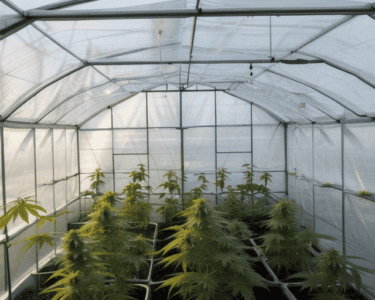
One of the most remarkable shifts in sustainable cannabis cultivation is the increasing reliance on greenhouse setups rather than indoor facilities. Greenhouses leverage natural sunlight, reducing the energy required for artificial lighting. According to the Cannabis Greenhouse Association, many cultivators are investing in advanced polycarbonate structures that maximize light transmission while providing additional insulation. This combination leads to lower energy costs and a reduced carbon footprint, making greenhouse cultivation an attractive option for sustainability-focused growers.
Moreover, the use of controlled environment agriculture (CEA) systems represents another burgeoning trend. CEA integrates climate control technologies to optimize conditions for plant growth while using fewer resources. Experts suggest that employing automated systems for temperature, humidity, and CO2 levels can significantly reduce water and energy consumption. As a result, cultivators can achieve more consistent yields while practicing sustainable methodologies.
Innovative Water Management Techniques
Given the sizable water consumption in cannabis cultivation, innovative water management practices are crucial. Rainwater harvesting systems are gaining popularity as a sustainable solution. By collecting rainwater, cultivators can supplement their irrigation needs without relying solely on municipal supplies. In states that experience fluctuations in rainfall, such as California, integrating rainwater systems can provide a crucial buffer against drought conditions.
Additionally, drip irrigation technologies are being optimized for greenhouse operations. These systems deliver water directly to the plant’s roots, minimizing evaporation losses and runoff. By using such targeted approaches, cultivators not only save water but also ensure that plants receive the precise amount needed for optimal growth. As more cultivators adopt these methods, it can lead to a substantial decrease in overall water consumption within the industry.
Organic and Biodynamic Practices
In line with broader advancements in sustainable agriculture, organic and biodynamic practices are becoming increasingly prominent in cannabis cultivation. Utilizing high-quality organic soil amendments, such as compost and vermicompost, can yield healthier plants and safer products. According to a study published by the Journal of Cannabis Research, organic cultivation not only improved the potency of cannabinoids but also led to higher market prices for the final product.
Additionally, biodynamic farming considers holistic ecological practices that can further enhance sustainability. The use of companion planting—growing plants that naturally deter pests—allows for organic pest management without synthetic pesticides. This approach has seen promising results, with cultivators reporting fewer infestations and healthier crops. Attaining organic and biodynamic certifications also enhances marketability, as consumers increasingly seek out sustainably produced products.
Renewable Energy Solutions
Transitioning to renewable energy solutions is another essential consideration for greenhouse cultivators. Solar panels are gaining traction within the cannabis industry as a means to reduce dependency on fossil fuels. Many greenhouse operators are now investing in solar arrays to power their facilities. A survey by Brightfield Group indicates that around 15% of cannabis growers currently utilize solar energy, with this number expected to rise as energy costs continue to soar.
In addition, energy-efficient technologies, such as LED lighting, heating, and cooling systems, continue to improve. While these technologies involve initial investment, they produce significant long-term savings and dramatically lower greenhouse gas emissions. Experts assert that cultivators who prioritize renewable energy solutions will position themselves advantageously in an increasingly eco-conscious market.
Conclusion: A Future Defined by Sustainability
As the cannabis industry matures, the focus on sustainable cultivation practices in greenhouses is no longer a side note; it is central to the sector’s evolution. By harnessing solar energy, adopting advanced irrigation practices, and employing organic farming techniques, cultivators can significantly lessen their environmental impact while also appealing to a marketplace that increasingly values sustainability. As regulations and consumer expectations continue to evolve, the investment in sustainable practices will not only benefit the environment but also provide a competitive advantage for growers committed to a greener future.
Ultimately, the most significant challenge lies in the industry’s willingness to adapt and innovate for sustainability. As cultivators, policymakers, and consumers forge ahead, a commitment to cultivating cannabis sustainably could very well redefine not just the industry, but also the principles of resource management in agriculture at large. It is a challenge and an opportunity that demands attention, reflection, and collective action.
[ad_2]