 By
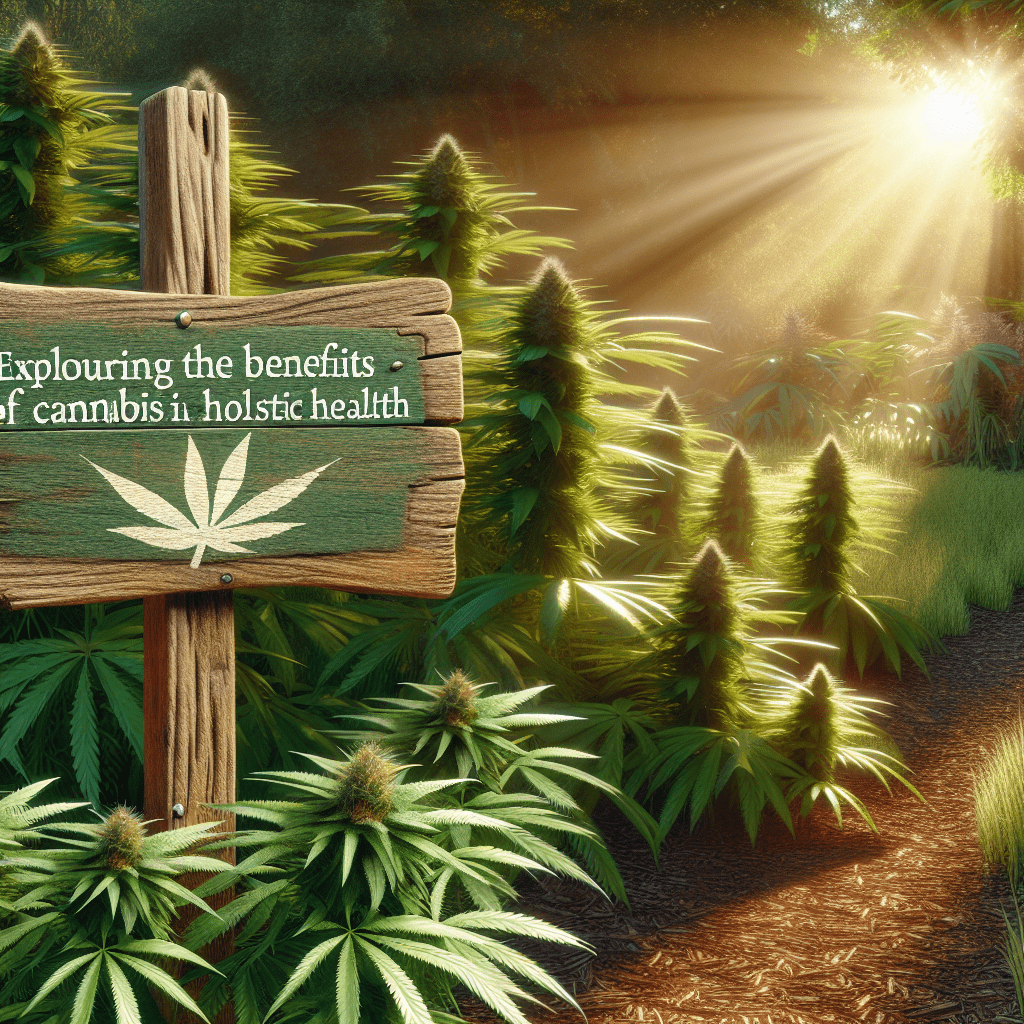
By Exploring the Benefits of Cannabis in Holistic Health in the United States
In recent years, the perception of cannabis in the United States has undergone a profound transformation. Once stigmatized and considered exclusively a recreational drug, cannabis is now increasingly celebrated for its potential in holistic health. With over 38 states legalizing its medicinal use and a growing body of scientific research supporting its therapeutic benefits, cannabis is reshaping health paradigms. This article explores the multifaceted benefits of cannabis in holistic health, underscoring its significance in pain management, mental wellness, and overall well-being.
The Rise of Cannabis in Holistic Health
Holistic health emphasizes the interconnectedness of mind, body, and spirit. The term “holistic” itself implies a comprehensive approach to health that transcends mere symptom management. Cannabis fits seamlessly within this paradigm. Its incorporation into holistic practices is facilitated by recent strides in research, which have illuminated the plant’s active compounds—primarily cannabinoids like THC (tetrahydrocannabinol) and CBD (cannabidiol). Both have been shown to interact with the body’s endocannabinoid system, influencing a multitude of physiological processes.
As of 2023, a significant body of studies points to the potential of cannabis in treating chronic pain, insomnia, anxiety, and even conditions like PTSD and epilepsy. Additionally, the popularity of alternative wellness practices, such as yoga and mindfulness, dovetails nicely with cannabis’s perceived calming effects. The integration of cannabis into holistic health practices is not merely trend-driven; it is supported by a growing number of healthcare providers advocating for its responsible use.
Pain Management and Inflammation Relief
One of the most compelling areas of interest around cannabis in holistic health is its efficacy in pain management. Reports indicate that approximately 50 million adults in the United States live with chronic pain, a demographic that often seeks alternatives to conventional pharmaceuticals, which may carry significant side effects. Cannabis-based therapies have gained traction as a compelling option for these individuals. Studies have demonstrated that cannabinoids can effectively reduce inflammation and modulate pain perceptions, offering relief for conditions such as arthritis, fibromyalgia, and even cancer-related pain.
In California, an increasing number of clinics specializing in holistic health are using cannabis as part of comprehensive pain management strategies. These clinics combine traditional treatments with alternative therapies, offering personalized care. Patients often report reduced reliance on over-the-counter painkillers and opioids, highlighting cannabis’s potential role in mitigating the opioid crisis by providing a safer alternative for pain relief.
Mental Wellness and Stress Management
The impact of cannabis on mental wellness is another fertile area of exploration. Recent studies have suggested that CBD, in particular, can alleviate symptoms associated with anxiety and depression without the psychoactive effects linked to THC. This is crucial for individuals seeking relief from mental health ailments while wanting to avoid the mind-altering side effects of traditional recreational cannabis use.
Moreover, with the COVID-19 pandemic accelerating rates of anxiety and depression across the board, the interest in alternative mental health treatments has grown exponentially. Research suggests that cannabis can offer a sense of calm and improve sleep quality, making it a valuable tool for managing stress. However, it’s essential that individuals consult with healthcare practitioners to determine appropriate strains and doses tailored to their specific mental health needs.
Current Trends and Legislative Landscape
As attitudes toward cannabis shift, the landscape of legality and availability continues to evolve. The 2023 Farm Bill included provisions for hemp-derived CBD, ensuring broader access to its benefits. Meanwhile, states like New York and New Jersey have made significant strides in developing regulations for both medical and recreational cannabis. Experts believe that with these progressive policies, a growing body of clinical research will soon follow, helping to develop evidence-based best practices for integrating cannabis into holistic health.
Current public health campaigns are working to dispel myths surrounding cannabis use, focusing instead on education and the application of best practices. Centers for Disease Control and Prevention (CDC) and National Institute on Drug Abuse (NIDA) resources encourage responsible consumption and inform the public about the potential benefits and drawbacks of cannabis in managing various health issues.
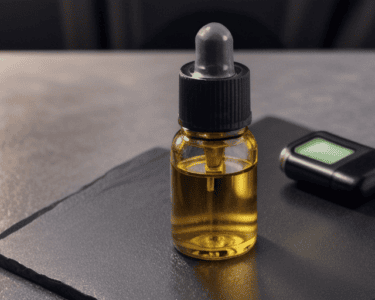
Moreover, there has been a marked increase in cannabis-infused wellness products, such as oils, tinctures, and topicals, making it easier for individuals to incorporate cannabis into their wellness routines. Social media platforms are flooded with user testimonials, further fostering an environment where the benefits of cannabis can be discussed and shared openly.
Looking to the Future
As we continue to explore the role of cannabis in holistic health, it becomes clear that a significant shift is underway. The combination of growing research, personal testimonies, and legislative progress creates a promising picture for the future. Health practitioners are increasingly recognizing the value of a multi-faceted approach, incorporating cannabis into comprehensive care plans that address physical, mental, and emotional health.
However, caution is warranted. As with any therapeutic substance, responsible use, guided by healthcare professionals, is paramount. Education and awareness will be crucial in navigating this evolving landscape, ensuring that individuals can make informed decisions about their health.
In conclusion, cannabis presents a wealth of opportunities in the realm of holistic health, offering a natural alternative for many chronic health issues and adding a new dimension to mental wellness practices. With its growing acceptance and integration into health regimes, cannabis may well redefine how we perceive health and wellness in America. As research advances and awareness increases, the potential for cannabis in holistic health continues to unfold, urging us all to remain curious and informed on this evolving frontier.