 By
By [ad_1]
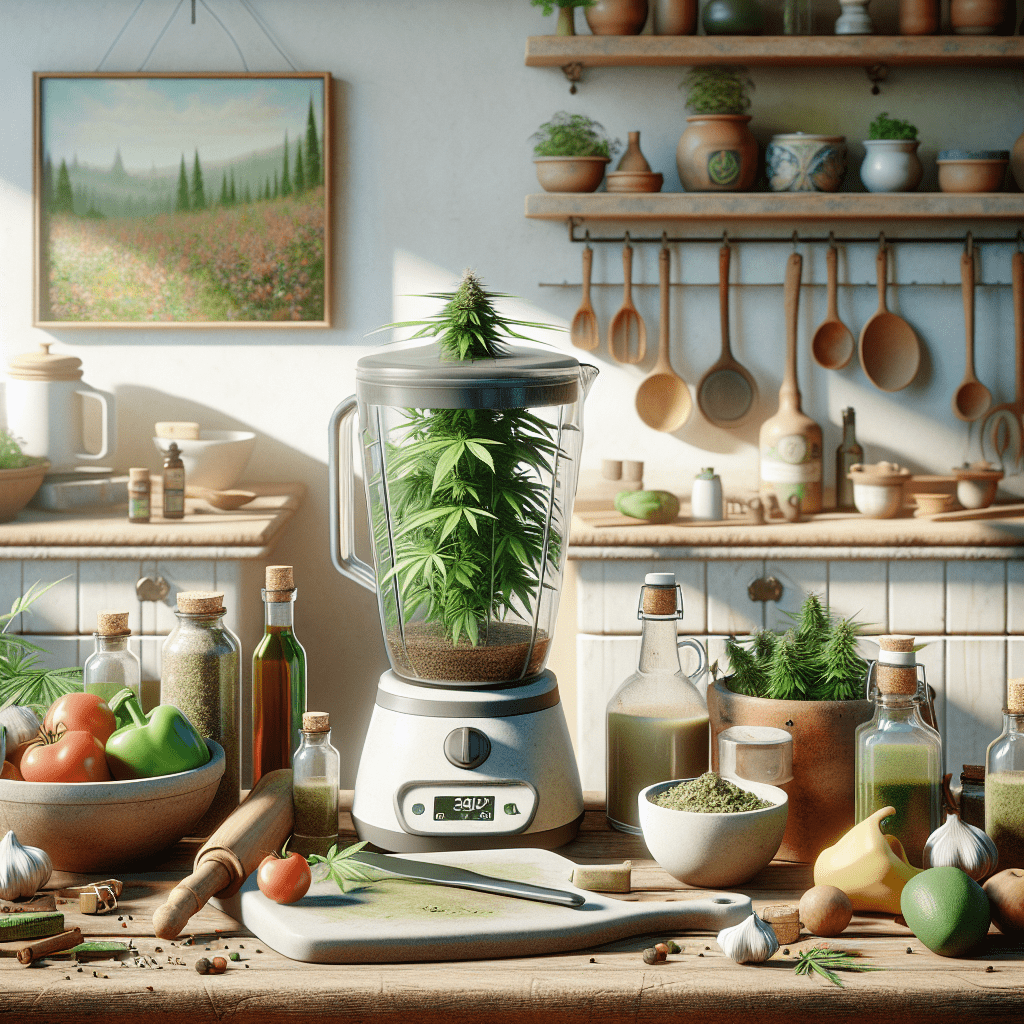
Cannabis infusion is an ancient practice that has gained renewed popularity in the realm of cooking. Infusing cannabis into oils, butters, or other culinary mediums allows cooks to incorporate its unique flavors and effects into their dishes. The chemistry behind cannabis offers endless possibilities for both seasoned chefs and home cooks alike. Understanding the different methods of infusion and their applications can transform everyday meals into something extraordinary.
The Science Behind Cannabinoids
Cannabis contains several compounds known as cannabinoids. The two most well-known cannabinoids are tetrahydrocannabinol (THC), which has psychoactive properties, and cannabidiol (CBD), which is non-psychoactive and often used for its therapeutic benefits. When cooking with cannabis, the key is to activate these cannabinoids through a process called decarboxylation. This involves heating the cannabis at a specific temperature to convert the inactive compounds into their active forms.
Decarboxylation: The First Step
To prepare cannabis for infusion, start with decarboxylation. Here’s how to do it:
- Preheat your oven: Set your oven to 220°F (104°C).
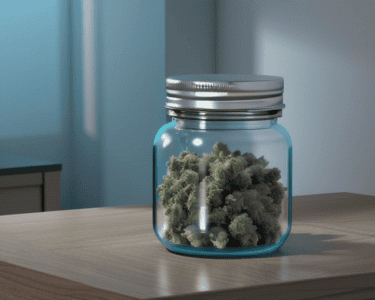
- Prepare the cannabis: Break up the cannabis buds into smaller pieces; avoid grinding them too finely, as this can lead to a bitter taste.
- Baking: Spread the broken cannabis evenly on a baking sheet lined with parchment paper. Bake for about 30-40 minutes, stirring occasionally to ensure even heating.
- Cool Down: After baking, let the cannabis cool. It’s now ready for infusion.
Infusion Methods
Once decarboxylated, cannabis can be infused into various mediums, with oils and butters being the most common choices.
1. Cannabis-Infused Oil
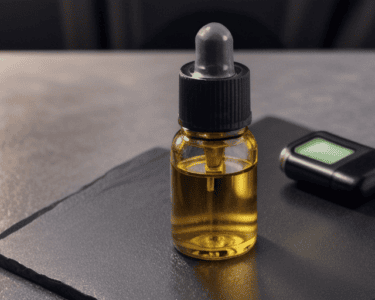
Infusing oil is a popular method due to its versatility. You can use olive oil, coconut oil, or any oil of your choice. Here is a simple way to make cannabis-infused oil:
- Ingredients: 1 cup of oil, 7-10 grams of decarboxylated cannabis.
- Equipment: Double boiler or slow cooker.
- Process: Combine the oil and cannabis in your double boiler or slow cooker, maintaining a low temperature (ideally around 160-200°F or 71-93°C) for 2-3 hours. Stir occasionally.
- Strain: After infusing, strain the oil through cheesecloth to remove solid bits. Store in a cool, dark place.
2. Cannabis-Infused Butter
Similar to oil, butter provides a rich flavor and is perfect for baking. Here’s how to make it:
- Ingredients: 1 cup of unsalted butter, 7-10 grams of decarboxylated cannabis.
- Process: In a saucepan, melt the butter over low heat. Once melted, add the decarboxylated cannabis. Keep the mixture on low heat for 2-3 hours, stirring occasionally.
- Strain: Strain the mixture through cheesecloth, squeezing out as much liquid as possible. Store in the refrigerator.
Cooking with Cannabis
With your infused oils and butters ready, you can begin to experiment in the kitchen. Here are some suggestions:
- Salad Dressings: Mix cannabis-infused oil with vinegar, herbs, and spices for a unique salad dressing.
- Cooking: Use cannabis-infused oil or butter in place of regular oil or butter in your favorite sautéed dishes.
- Baking: Substitute regular butter in cookie, brownie, or cake recipes with cannabis-infused butter for a delightful twist.
Dosing and Effects
One of the most important factors when cooking with cannabis is understanding dosages. It’s crucial to start small, especially for those new to cannabis-infused foods. The effects can be delayed, often taking up to an hour or more to feel, depending on an individual’s metabolism. A general rule of thumb is to calculate the potency of your infused oil or butter and use that information to guide your servings.
Cooking Tips and Considerations
When cooking with cannabis, it’s recommended to keep the following in mind:
- Flavor Pairing: Cannabis can have earthy, herbal flavors that pair well with cheese, chocolate, and citrus.
- Temperature Control: Avoid high heat (above 350°F or 177°C) as it can degrade cannabinoids.
- Labeling: If sharing your infused dishes, clearly label them to ensure everyone is aware of the cannabis content.
Conclusion
The art of cannabis infusion opens up a world of culinary creativity. Whether you’re looking to enhance the flavor of your meals or explore the medicinal benefits of cannabis, incorporating it into your cooking can be both fun and rewarding. As always, enjoy responsibly and with mindfulness.
[ad_2]