 By
By [ad_1]
As more states across the U.S. adopt legalization measures for both medical and recreational cannabis, a growing number of individuals are exploring the art of indoor cultivation. Growing cannabis indoors offers numerous advantages—controlled environments, protection from pests, and the ability to cultivate throughout the year. However, mastering this endeavor requires knowledge, patience, and dedication. In this article, we’ll delve into the essentials of indoor cannabis cultivation, current trends, and expert insights that can help aspiring growers successfully nurture their green thumb.
The Basics of Indoor Cannabis Cultivation
Indoor cannabis cultivation is an intricate dance between plants, technology, and the grower’s intuition. Unlike outdoor cultivation, which is heavily reliant on natural sunlight and seasonal changes, indoor growing relies on artificial lighting, ventilation systems, nutrients, and precise environmental control.
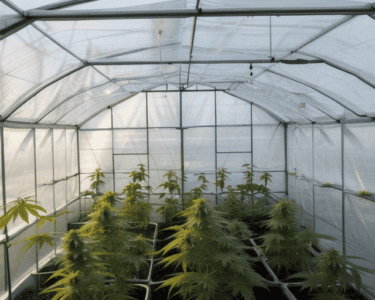
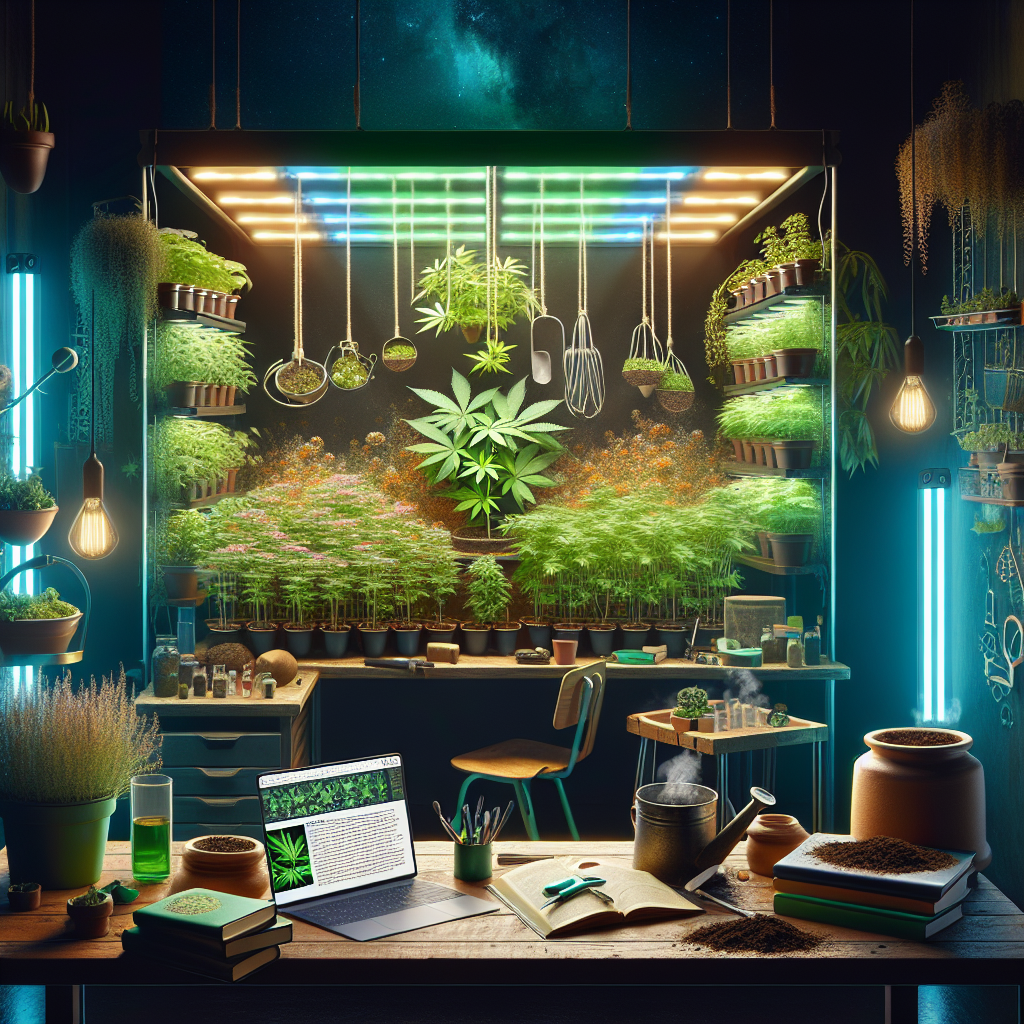
To begin with, selecting the right space is critical. Growers often use tents, closets, or dedicated grow rooms, ensuring the area can accommodate necessary equipment like grow lights, fans, and hydroponic systems. The rise of LED lights has revolutionized indoor growing, providing energy-efficient, full-spectrum light that mimics natural sunlight. Additionally, understanding the life cycle of the cannabis plant—from seedling to flowering—allows growers to tailor conditions such as humidity, temperature, and light duration at each stage.
Current Trends in Indoor Cannabis Growing
As of 2023, the indoor cannabis cultivation scene is evolving rapidly due to advancements in horticultural technology and changing consumer preferences. One major trend is the increasing use of hydroponics and aquaponics systems, which allow for soil-less growing. These methods can reduce the need for pesticides and fertilizers while optimizing water usage—an important factor in sustainable agriculture.
Moreover, the market is experiencing a surge in demand for high-CBD strains aimed at therapeutic use without the psychoactive effects associated with THC. Experts suggest that indoor growers can capitalize on this trend by developing strains that cater specifically to medical cannabis patients, thus expanding market opportunities.
Another exciting development is the growing popularity of small-scale, personal cultivation. Learning to grow cannabis indoors is becoming a sought-after skill, with many homeowners investing in grow kits, online courses, and resources to help them through the process. Local communities and online forums are fostering a culture of sharing knowledge—individuals no longer have to venture into this world alone.
Essential Techniques for Successful Growing
To achieve optimal results, aspiring growers need to understand essential cultivation techniques. One key method is to practice proper plant training, a technique that involves altering a plant’s structure for improved light penetration and air circulation. Techniques like Low Stress Training (LST) and Scrogging (Screen of Green) are widely used to maximize yield while keeping plants manageable in tight spaces.
Additionally, maintaining the ideal growing environment is paramount. A consistent temperature range between 70-85°F during the day, coupled with appropriate humidity levels, is crucial for healthy plant growth. Investing in humidity controllers and thermometers can significantly stabilize the environment, thereby enhancing the growth process.
The use of nutrients is another cornerstone of successful indoor cultivation. Organic options like compost teas or commercially available fertilizers aid in providing essential macro and micronutrients. Many growers favor a “feed, water, repeat” schedule to maintain proper nutrient levels while preventing over-fertilization—an easy mistake for novices.
Navigating Legal and Ethical Considerations
Despite the wave of legalization, it’s essential for indoor growers to navigate the legal landscape carefully. Each state has its own regulations regarding the number of plants one can grow, the licensing required, and local zoning laws. 2023 saw states like Missouri establish more accessible frameworks for home growers while maintaining an emphasis on compliance with local laws.
Ethically, indoor cultivation should also consider environmental impacts. Many growers are shifting towards sustainable practices, such as organic cultivation methods and energy-efficient technologies. Activism within the cannabis community promotes practices that not only yield a quality product but also support broader environmental conservation goals.
The Future of Indoor Cannabis Cultivation
Looking ahead, the indoor cannabis cultivation scene is poised for further innovation and growth. Technologies like artificial intelligence and automation are beginning to play a role, helping growers monitor and adjust conditions in real-time. Remote sensing capabilities allow growers to manage environmental factors from their smartphones, a testament to how tech is intertwining with agriculture.
Moreover, as societal perceptions around cannabis continue to evolve, we may see increased funding and research into better cultivation practices and novel strains. The development of next-gen strains catering to chronic illnesses—such as anxiety, pain relief, and insomnia—makes this an exciting time for cannabis enthusiasts.
Conclusion: The Art of Growing Cannabis Inside
In conclusion, growing cannabis indoors is a rewarding venture that combines artistry, science, and a deep understanding of the plant. As legalization continues to gain momentum across the United States, prospective growers can look forward to an increasingly supportive environment in both legal and technological realms.
With careful planning, ongoing education, and ethical practices, anyone can cultivate their own cannabis at home. It’s not just about growing a plant; it’s about creating a sustainable lifestyle, fostering community, and contributing to a burgeoning industry. As we embrace the future, one can’t help but reflect on the potential of cannabis—not just as a product, but as a catalyst for change in our culture and our communities. Are you ready to dig in and plant your seeds?
[ad_2]