
 By
By [ad_1]
The legalization of cannabis in Canada and various states in the United States has paved the way for an innovative market, particularly in cannabis edibles. As more consumers seek alternatives to traditional smoking methods, the demand for edibles has skyrocketed. With this surge, both nations are witnessing a transformation in how cannabis products are developed, marketed, and consumed. However, this rapid growth is accompanied by regulatory challenges and evolving consumer preferences, making the future of cannabis edibles an intriguing topic worthy of exploration.
A Growing Market
The cannabis edible market is experiencing explosive growth. According to industry analysts, the U.S. cannabis edibles market is projected to reach approximately $29 billion by 2027, with significant contributions from states like California and Colorado, where adult-use cannabis has been legal for years. Meanwhile, in Canada, the cannabis edibles segment is also flourishing, having generated around $100 million in sales within the first year of legalization for edibles and extracts in October 2019. The burgeoning interest in infused food products underscores a changing landscape, where consumers are increasingly inclined toward discreet, flavorful, and varied cannabis experiences.
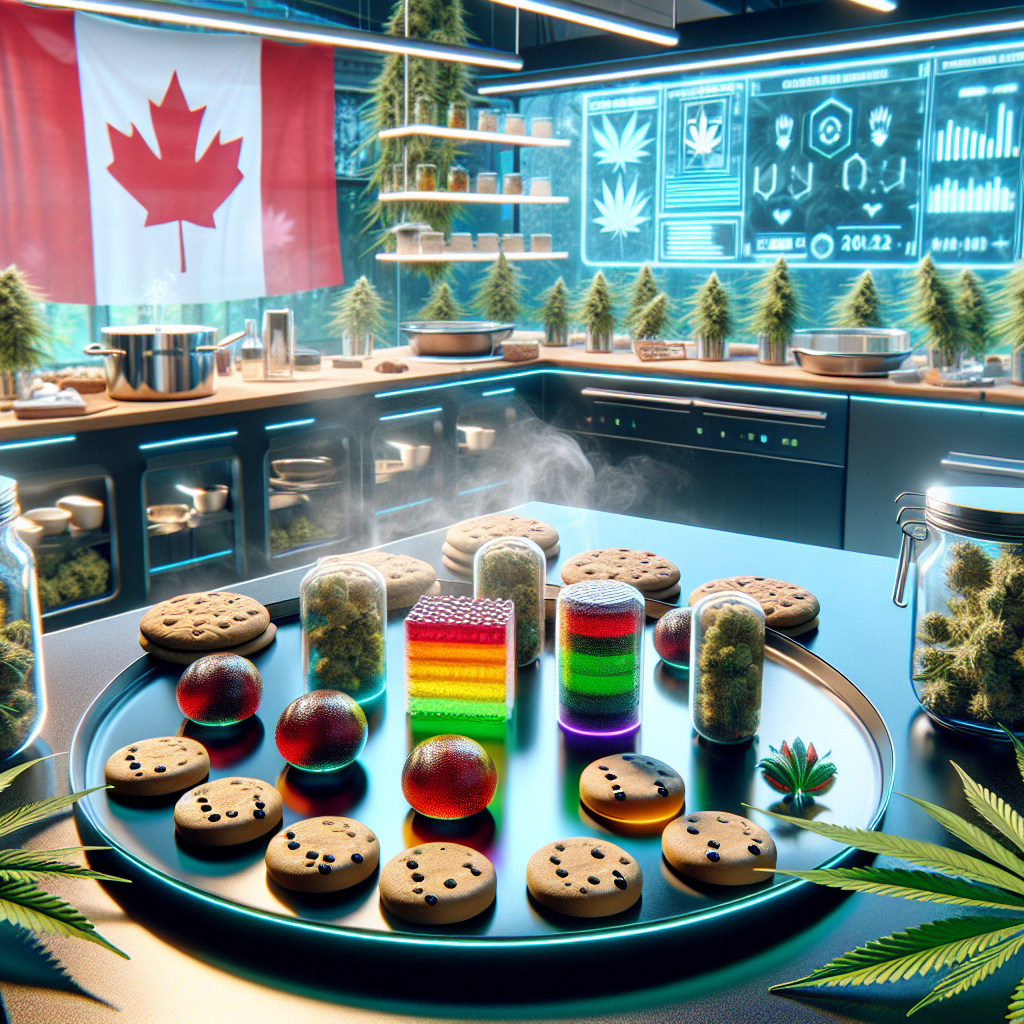
For manufacturers, the challenge lies in creating high-quality, consistent products that meet consumer expectations. In both Canada and the United States, companies are focusing on innovative formulations that marry flavor profiles with the desired effects of THC or CBD. From gummies to chocolates and baked goods, the variety available is immense. This diversification allows consumers to choose products based on personal preferences, whether seeking relaxation, pain relief, or simply a satisfying treat.
Regulatory Landscape
While the prospects for cannabis edibles are promising, navigating the regulatory landscape is complex. In Canada, the federal government has established strict guidelines governing the production, sale, and marketing of edibles. Health Canada mandates clear labeling, limited THC limits per serving (10 mg), and stringent manufacturing standards to ensure safety. These regulations are designed to minimize risks, particularly concerning accidental consumption among children.
In contrast, the U.S. landscape is fragmented, with varying regulations from state to state. While states like Colorado have developed comprehensive frameworks for cannabis edibles, others lack clear guidelines, creating challenges for brands that operate across state lines. The inconsistency in regulations contributes to consumer confusion and complicates compliance for manufacturers. Recent discussions in Congress have suggested the need for a more unified federal approach, but significant hurdles remain before such legislative measures can be realized.
Consumer Trends
Shifting consumer trends are reshaping the market. Today’s consumers are not only looking for potency but also for quality, transparency, and sustainability. Health-conscious buyers are increasingly seeking organic, non-GMO, and responsibly sourced ingredients in their edibles. Trends such as microdosing—where users consume small amounts of THC for subtle effects—are also gaining traction. This approach appeals to those who may be wary of the intense effects typically associated with cannabis, fostering a new demographic that includes older adults and casual users.
In terms of flavor, innovation continues to drive interest. Boosted by culinary creativity, many brands are partnering with renowned chefs to develop gourmet edibles that are not only effective but also delicious. The increasing sophistication of cannabis consumers is pushing companies to elevate their product offerings, focusing on artisanal experiences that go beyond traditional options.
Marketing and Branding
The marketing landscape for cannabis edibles is evolving, and companies are leveraging social media and influencer partnerships to engage consumers. However, cannabis advertising remains fraught with restrictions, especially on platforms like Facebook and Instagram, where policies often ban direct promotion of cannabis products. As a result, brands are becoming more inventive in their marketing strategies, focusing on storytelling, educational content, and community engagement to build strong connections with consumers.
Packaging also plays an essential role in branding. Many manufacturers are investing in child-resistant, environmentally-friendly packaging that highlights their products’ quality and appeal. Clear, informative labeling not only meets regulatory requirements but also enhances consumer trust. As the market matures, strong branding will be a significant determinant of success, as companies vie for consumer loyalty in a competitive landscape.
The Road Ahead
Looking toward the future, the cannabis edibles market is poised for continued evolution. As more states in the U.S. explore legalization and public perception becomes more favorable, the potential for market expansion is significant. Innovations in product development are expected to continue, with an emphasis on wellness-oriented formulations featuring adaptogens, botanicals, and functional ingredients.
However, challenges remain. Regulatory hurdles need to be addressed to ensure consistency and safety across the board. Moreover, as the market expands, it will be vital for companies to remain vigilant regarding consumer education, particularly surrounding dosing, effects, and responsible usage.
Conclusion
The future of cannabis edibles in Canada and the United States is bright, characterized by innovation, growth, and a dynamic consumer landscape. As regulations evolve and companies adapt to shifting preferences, the market is on the brink of exciting developments. The opportunity exists for brands that can navigate the complexities of regulation, embrace consumer trends, and build strong, trusted relationships. Ultimately, the way consumers experience cannabis is changing, and the potential for unique, delicious, and responsible edibles is becoming the new normal. As consumers continue to seek meaningful experiences, the cannabis edible industry stands at the forefront of this transformative journey, encouraging us all to reflect on how we view and consume cannabis in the broader context of wellness and lifestyle.
[ad_2]