 By
By [ad_1]
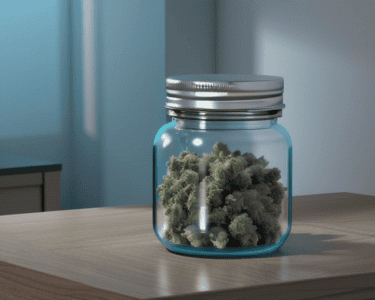
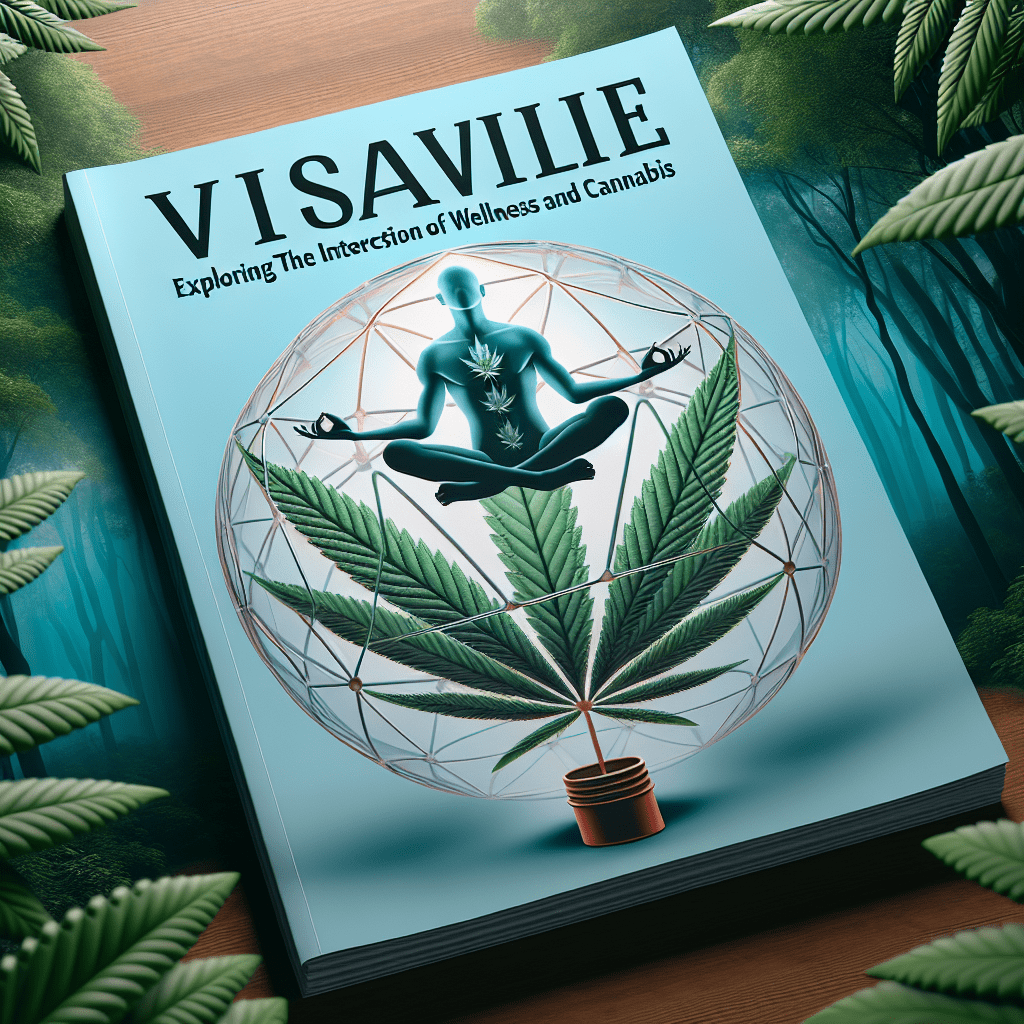
The landscape of wellness in the United States has undergone significant transformations over the past few years, largely influenced by the legalization and normalization of cannabis. As more states legalize marijuana for medicinal and recreational use, the dialogue around its benefits in the realm of wellness becomes increasingly complex and essential. Today, consumers are navigating a myriad of options, from CBD-infused wellness products to cannabis strains designed for specific health issues. The intersection of wellness and cannabis invites exploration into how these two sectors are evolving to influence each other and what this means for the future of holistic health.
The Legal Landscape
As of 2023, 21 states, along with Washington D.C., have fully legalized recreational cannabis, while 38 states have laws permitting medical marijuana. This social shift is not only a legal triumph but also a cultural one, as society gradually embraces cannabis as a legitimate avenue for wellness. Public opinion has similarly shifted; surveys reveal that nearly 70% of Americans now support cannabis legalization. This backdrop creates fertile ground for wellness products containing cannabis derivatives, leading to an expanding market that caters to those seeking alternative methods of improving their health.
As legalization sweeps across the nation, the regulatory frameworks that accompany it are equally important. The U.S. Food and Drug Administration (FDA) has begun to address the challenges of regulating CBD and other cannabis-derived products. Their recent steps, particularly around advertising and health claims, are crucial for informed consumer choices. Inadequate regulation can lead to misinformation; hence, ongoing interactions between lawmakers, scientists, and the cannabis industry remain essential in establishing safe and effective wellness products.
Cannabis and Mental Health
An area receiving increasing attention is the role of cannabis in mental health treatment. Research has indicated that compounds found in marijuana, particularly CBD, may help alleviate symptoms related to anxiety, depression, and PTSD. A 2023 study published in the “Journal of Psychological Disorders” highlighted the potential benefits of cannabis for stress relief and improved mood regulation. Experts suggest that, unlike traditional pharmaceuticals, cannabis offers a more holistic approach with fewer side effects for certain individuals.
However, this does not come without caution. Mental health professionals urge individuals to consult with healthcare providers before incorporating cannabis into their wellness routine. Although anecdotal evidence suggests positive outcomes, clinical studies are still nascent, and more research is needed to understand the long-term effects of cannabis on mental health. The dialogue around responsible use is ongoing, emphasizing informed decisions rather than recreational indulgence.
Physical Wellness and Pain Management
Beyond mental health, cannabis is carving out a niche in physical wellness, particularly in pain management. The National Centers for Complementary and Integrative Health (NCCIH) indicates that many patients are turning to cannabis as a form of relief for chronic pain, inflammation, and various ailments. The endocannabinoid system interacts with cannabinoids, potentially modulating pain and inflammation.
In 2023, various reports highlighted how physical therapists and pain specialists are increasingly open to discussing cannabis with their patients, acknowledging its potential benefits. The growing acceptance is altering the traditional narratives surrounding pain management and addressing some of the limitations posed by opioid prescriptions. As states begin to adopt more comprehensive health policies around medical cannabis, the integration of cannabis into treatment plans for chronic pain could become a standard practice.
Wellness Products and the Rise of CBD
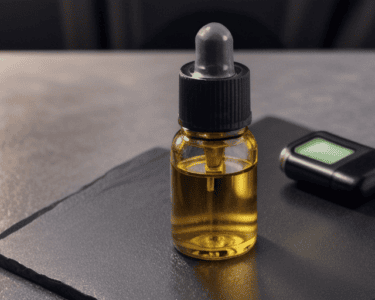
The rise of CBD has sparked a wellness revolution. From oils and tinctures to edibles and topicals, an array of products now flood the market, making it difficult for consumers to navigate their choices. In 2023, the global CBD market is projected to reach $45 billion as companies leverage the health benefits attributed to this non-psychoactive compound. Many brands tout its effectiveness in addressing issues like insomnia, anxiety, and even skin conditions.
However, consumer awareness and education remain paramount in this burgeoning market. As the industry grows, so does the need for transparency regarding sourcing, preparation, and testing of cannabis products. Third-party lab testing has become a best practice, ensuring that customers receive products that are not only safe but also effective. Initiatives aimed at educating consumers about the proper use and dosage of CBD are essential to prevent the pitfalls of misuse.
The Future of Cannabis in Wellness
Looking ahead, the intersection of wellness and cannabis is likely to deepen as both the regulatory environment and public perception evolve. Advances in research are anticipated to uncover new therapeutic applications, making cannabis more integrated into conventional healthcare practices. Additionally, as more consumers seek personalized wellness solutions, the market for cannabis products tailored to individual health needs will grow, allowing for more targeted and effective interventions.
Moreover, the wellness industry itself is likely to adapt, marrying traditional wellness practices with modern cannabis solutions. Yoga studios and wellness retreats are already beginning to incorporate cannabis into healing rituals, acknowledging the plant’s potential to enhance relaxation and mindfulness. The intersections of spirituality, health, and recreational use could redefine wellness practices in the coming years.
Conclusion
As the lines between wellness and cannabis continue to blur, the discussions surrounding responsible use, effective treatment, and consumer education will be more critical than ever. With a legacy of stigma gradually fading, the focus is shifting toward personal empowerment in health choices. The evolution of cannabis in the wellness sector provides both challenges and opportunities, encouraging consumers to approach this multifaceted topic with curiosity and care. As we explore this intersection further, it will be important to hold onto the promise that cannabis brings to personal health while remaining vigilant about safety and efficacy. The journey into the world of cannabis and wellness may well be just beginning, and its future holds immense potential for overall wellness and healthcare innovation.
[ad_2]