
 By
By [ad_1]
The Future of Cannabis Farming through Technology in the United States
As the cannabis industry continues to evolve in the United States, it stands at the intersection of agriculture and technology. With more states legalizing medical and recreational cannabis, the market is projected to grow exponentially, inviting innovation and introducing new farming methodologies. In this landscape, technology not only optimizes production but also ensures sustainable practices, promising a bright future for cannabis farming.
The Current State of Cannabis Farming
As of 2023, the cannabis farming sector has expanded significantly. The legal cannabis market reached an estimated $33 billion in 2022 and is projected to soar to $52 billion by 2026, according to cannabis research firms. States like California, Colorado, and Illinois have been at the forefront of this boom, showing how regulatory frameworks can transform markets. However, with this expansion comes the challenge of meeting consumer demands while maintaining product quality and safety.
These challenges are pushing farmers to adopt high-tech solutions that enhance efficiency and increase yields. As market conditions fluctuate, leveraging technology becomes essential not merely for survival but for thriving in a competitive landscape.
Technology Transforming the Agriculture of Cannabis
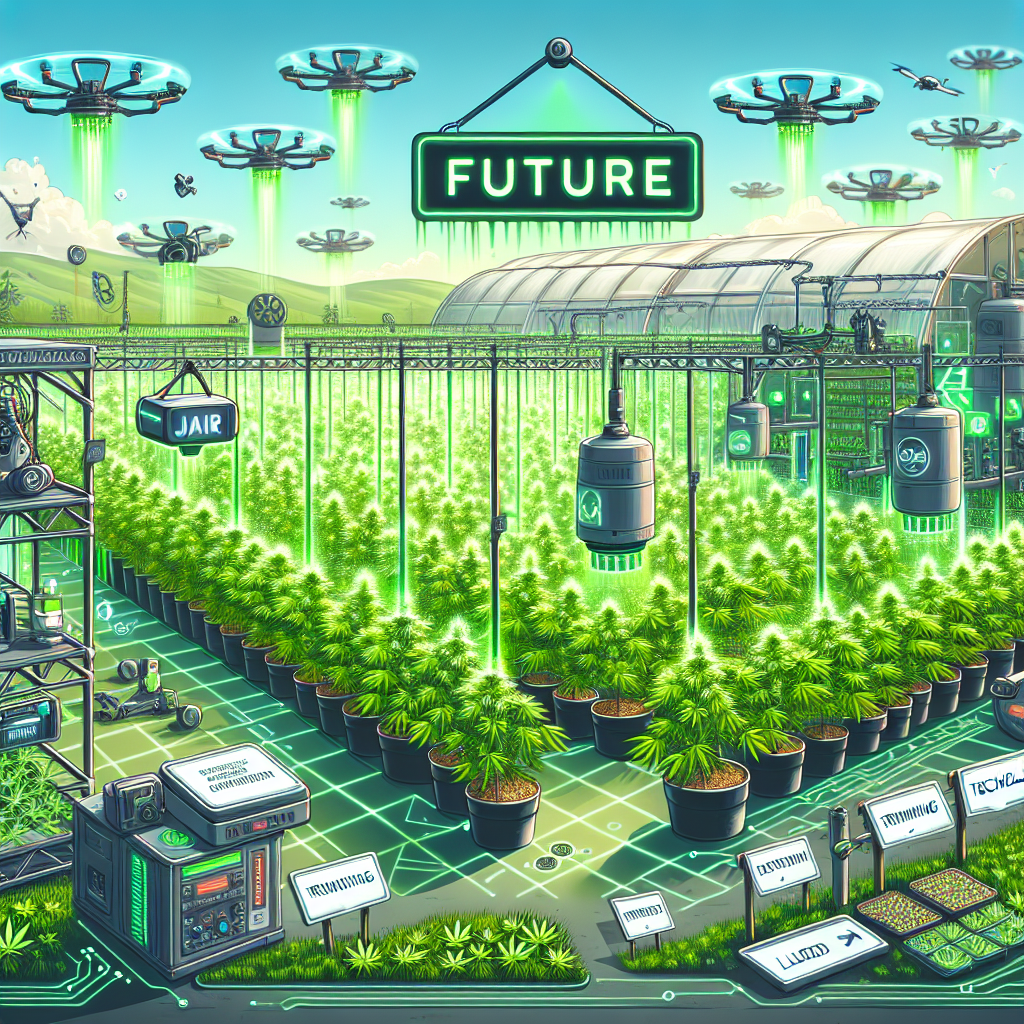
One of the most significant advancements in cannabis farming is the application of precision agriculture. Utilizing drones equipped with cameras and sensors, farmers can monitor crop health remotely, detecting issues like pest infestations or nutrient deficiencies from above. This technology allows for targeted interventions, reducing waste and maximizing yield. According to a study published in the Journal of Cannabis Research, farms employing drone technology reported a 30% increase in efficiency.
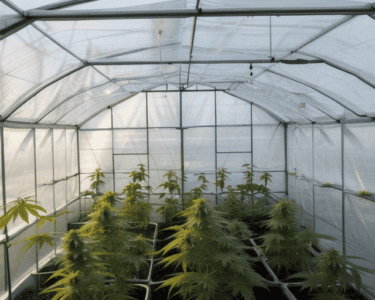
In addition, indoor cultivation is becoming increasingly popular. Utilizing controlled environment agriculture (CEA) systems, growers can optimize conditions such as humidity, light, and temperature. This method not only allows for year-round growth but also reduces the risk of crop failure due to environmental factors. Vertical farms are also emerging, using less land while maximizing output. In a recent interview, John O’Leary, CEO of a leading cannabis cultivation company, noted that vertical farming has enabled them to produce double the yield compared to traditional growing methods.
Sustainable Practices in Cannabis Farming
The future of cannabis farming must also consider environmental sustainability. Traditional agriculture is notorious for its heavy water usage and pesticide dependency, issues that the cannabis industry cannot afford to overlook. In response, many farms are integrating sustainable practices through technology. For instance, hydroponic systems eliminate the need for soil and significantly reduce water usage. With the capability to recycle water and nutrients, these systems can cut water consumption by up to 90%.
Moreover, technology is assisting farmers in adopting organic farming methods. Integrated Pest Management (IPM) systems use data analytics to predict pest cycles and diseases, thereby reducing reliance on chemicals. Furthermore, several companies are researching blockchain technology to enhance transparency in the supply chain, ensuring that consumers can trace the origin of their products and affirm the use of sustainable practices.
According to a recent report from the Environmental Protection Agency (EPA), adopting these technology-driven methodologies could reduce the overall carbon footprint of cannabis farming by 25% over the next decade, representing a significant step toward responsible agriculture.
The Role of Artificial Intelligence and Data Analytics
As the cannabis industry matures, the integration of artificial intelligence (AI) and data analytics is becoming increasingly vital. AI can analyze massive data sets to optimize growing conditions and predict market trends. Through machine learning algorithms, farmers can receive actionable insights on which strains will yield higher profits and how to time their harvests for peak demand.
Additionally, companies are investing in software solutions that assist farmers in compliance with various regulations. Given that cannabis is still a federally illegal substance, state-specific regulations can be complex and challenging to navigate. Software tools that centralize data collection, labeling, and reporting can significantly streamline these processes, enhancing overall operational efficiency.
Future Challenges and Considerations
Despite the promising capabilities of technology in cannabis farming, challenges remain. The cost of implementing smart technologies can be prohibitive, particularly for small-scale farmers. Moreover, there’s a growing divide between large corporations and smaller cultivators, which could threaten the diversity of the market. Policymakers need to consider these inequalities as they develop regulations that govern the industry.
Moreover, public perceptions of cannabis are still a work in progress. While acceptance has grown, misinformation and stigma persist. Education and transparency about the benefits of both cannabis and the technologies being employed will be crucial in further legitimizing the industry and attracting investment.
Conclusion: A Blossoming Future
The fusion of technology and cannabis farming promises a bright future, one where efficiency, sustainability, and innovations are at the forefront. As the industry continues to grow, embracing new technologies is imperative for meeting consumer demands and fostering environmental responsibility. Stakeholders—farmers, policymakers, and consumers alike—must collaborate to ensure that the transformations beneficial to the industry also serve the greater good.
As cannabis farming evolves, it stands as a compelling example of how agriculture can adapt in tandem with technological advancements. The outcomes will not just be economic; they could redefine our relationship with this versatile plant and how we cultivate it for generations to come. Embracing innovation in this remarkable industry could ultimately lead to a more sustainable and responsible agricultural framework, making it a topic worth following closely for years ahead.
[ad_2]