 By
By [ad_1]
The COVID-19 pandemic has profoundly reshaped many sectors in the United States, and the cannabis industry is no exception. As states grapple with economic recovery and evolving public health policies, cannabis laws are undergoing significant changes. With increasing acceptance of cannabis, both for medicinal and recreational use, many Americans are questioning how these laws will evolve in this new era. In this article, we will explore the current state of cannabis laws, emerging trends, and future directions in a post-pandemic world.
A Brief Overview of the Cannabis Landscape
The legal status of cannabis in the United States has seen a remarkable transformation over the past decade. Once stigmatized and criminalized, cannabis is now legal for recreational use in over 20 states and for medicinal purposes in more than 30. This progressive shift is largely attributed to changing public perceptions and a growing body of research supporting the medicinal benefits of cannabis. Additionally, the pandemic has accelerated the growth of the cannabis industry as people turned to alternative forms of relief amid heightened stress and anxiety.
The Pandemic’s Impact on Cannabis Consumption
As the pandemic unfolded, many existing laws surrounding cannabis faced new scrutiny. Cannabis was deemed an essential service in many states, which allowed dispensaries to remain open during lockdowns. This designation not only solidified cannabis as an integral part of many people’s lives but also fostered a sense of legitimacy that has contributed to more favorable public opinion. A 2020 survey from the Pew Research Center indicated that two-thirds of Americans support legalization, reflecting a substantial shift in cultural attitudes.
Interestingly, 2021 saw a spike in cannabis sales, with a reported 40% increase in revenues compared to previous years. As people sought ways to cope with isolation and uncertainty, recreational and medicinal usage flourished. This data indicates a critical point in cannabis legislation—the burgeoning public support may prompt lawmakers to revisit and reform outdated laws.
Legislative Trends and State Initiatives
In the aftermath of the pandemic, state legislators are increasingly focused on reforming cannabis laws to promote equity and economic growth. Several states are advancing initiatives aimed at creating fairer licensing processes for marginalized communities that have historically been affected by the War on Drugs. For example, New Jersey and New York have both taken significant steps toward establishing social equity programs designed to create opportunities for those impacted by previous cannabis criminalization.
Moreover, as states look for ways to boost their economies post-pandemic, cannabis legalization has emerged as a potent tool. In 2021, Virginia became the first Southern state to legalize recreational cannabis, with proponents arguing that cannabis could generate jobs, tax revenue, and improve public health. Similarly, states like Missouri and Pennsylvania have seen renewed calls for legalization, driven by potential economic benefits.
The Federal Landscape
While states continue to navigate their own cannabis laws, the federal government remains a complex and often contradictory issue. Currently, cannabis is classified as a Schedule I substance under the Controlled Substances Act, making it illegal at the federal level. However, there is a growing momentum for reform. In April 2021, the U.S. House of Representatives passed the Cannabis Administration and Opportunity Act, aiming to remove cannabis from the list of controlled substances and allow for a regulated market.
While the Senate has yet to take action on this legislation, the conversations around cannabis reform are becoming more frequent and nuanced. Bipartisan efforts toward cannabis decriminalization and the promotion of restorative justice continue to gain traction, reflecting a recognition of the inadequacies of current drug policies.
Medical Cannabis and the Future of Health Care
The pandemic also shed light on the potential benefits of cannabis in the health care context. Many turned to medical cannabis for relief from pandemic-related stressors, leading to a heightened interest in its therapeutic applications. Research has indicated that cannabis may help alleviate symptoms associated with anxiety, PTSD, and chronic pain, positioning it as a valuable tool in modern medicine.
As a result, there is increasing pressure on lawmakers to consider medical cannabis in future health care legislation. States like Florida and Arizona have expanded their medical cannabis programs to include a broader range of conditions, driven by patient demand and anecdotal evidence of its efficacy. In a post-pandemic world, the push for easier access to medical cannabis is likely to grow, particularly as public interest in alternative medicine continues to rise.
Conclusion: A Path to a New Norm
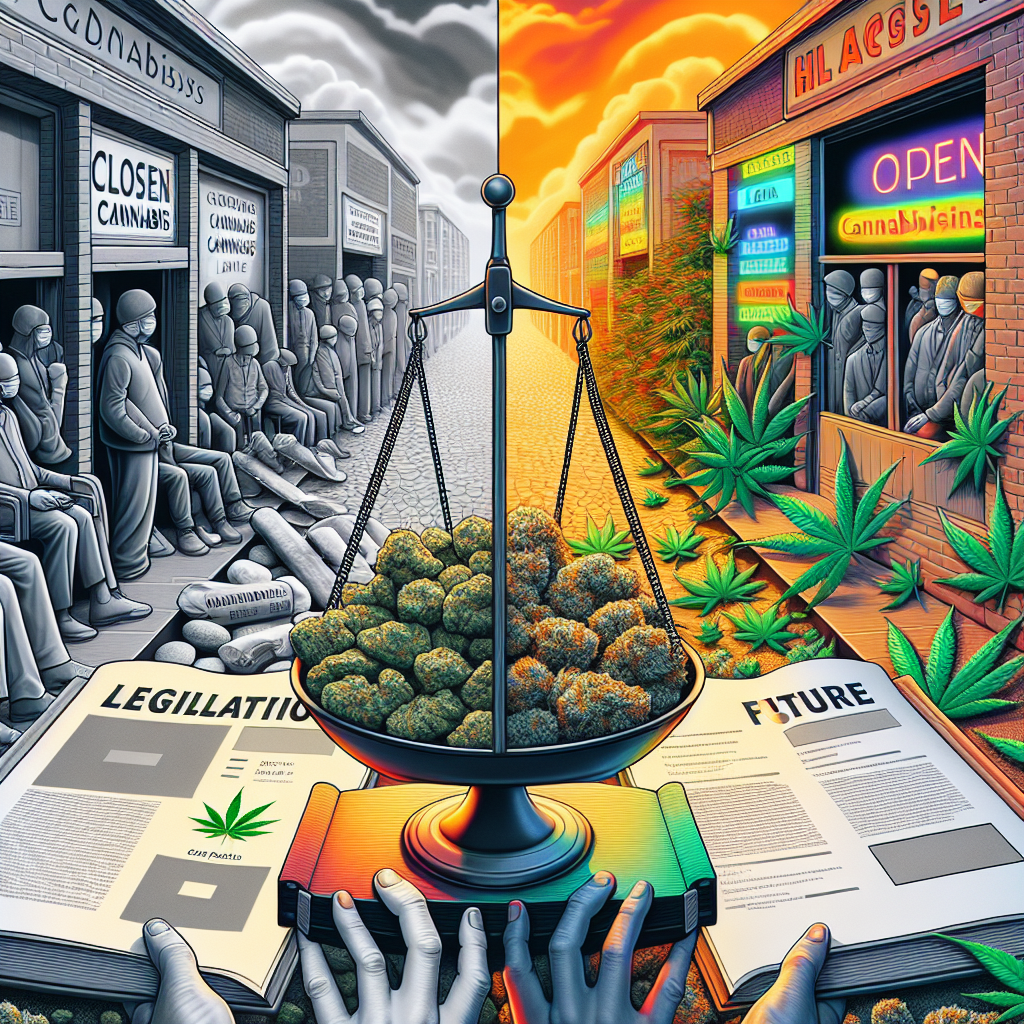
The post-pandemic landscape presents a unique opportunity for the re-evaluation and transformation of cannabis laws in the United States. With a notable shift in public opinion, driven by the urgent economic needs of states and the evolving perspectives on health and wellness, the future of cannabis legislation appears promising. As more states consider or advance legalization efforts, it is crucial to reflect on the path taken thus far and the implications of these reforms on social equity and public health.
As we move forward, one question remains: how will the legalization of cannabis shape not only economic recovery but also cultural attitudes and public health policies in a post-pandemic world? The decisions made today will indubitably echo through future generations, setting the stage for a society that recognizes the merits of cannabis while aiming for equal access and responsible usage. The journey ahead demands careful deliberation and a commitment to an equitable cannabis future.
[ad_2]