
 By
By [ad_1]
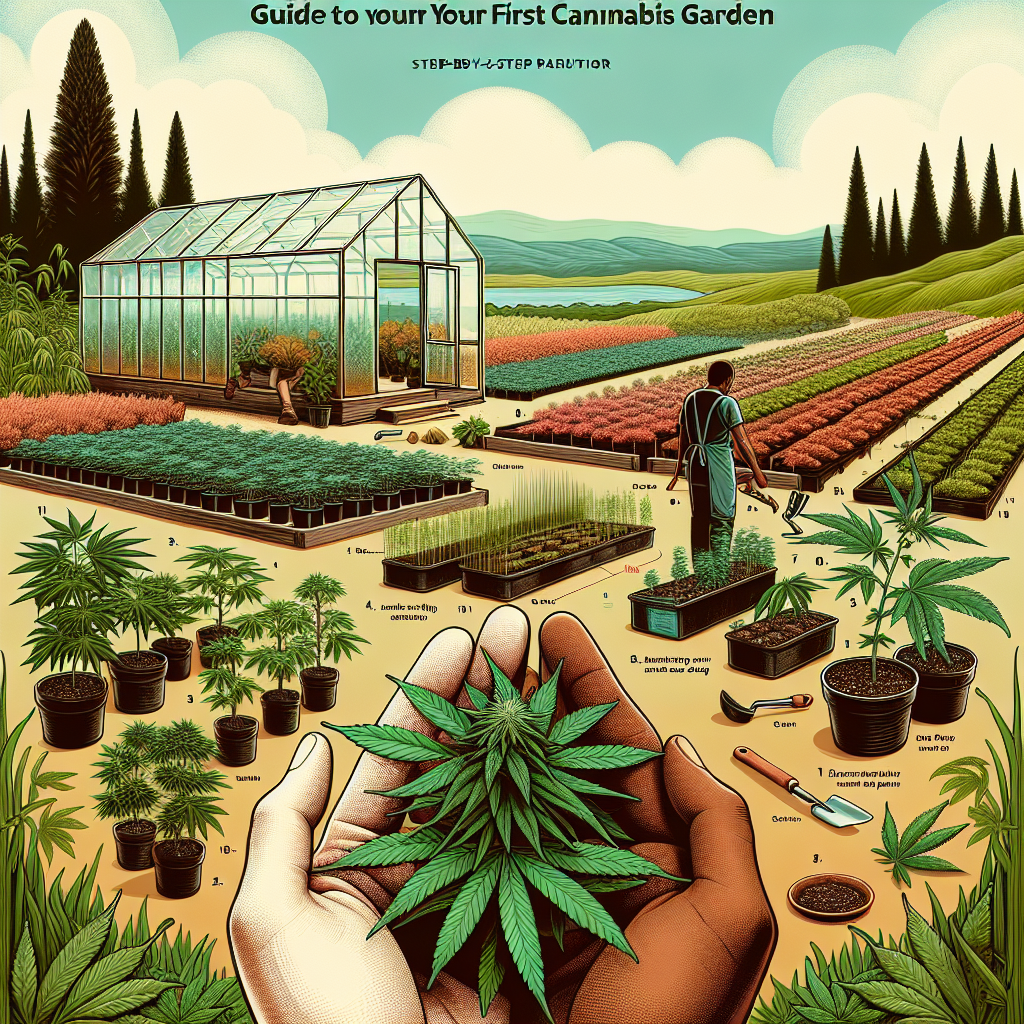
As the legalization of cannabis expands across the United States, more individuals are taking an interest in cultivating their own plants. Whether for personal use, medicinal purposes, or simply as a hobby, growing cannabis can be a rewarding and enlightening experience. However, it can also be daunting for beginners. This guide provides a comprehensive, step-by-step approach to nurturing your first cannabis garden, incorporating the most current best practices and expert insights to ensure a successful harvest.
Understanding the Legal Landscape
Before you embark on your cannabis gardening journey, it’s crucial to understand the legal framework in your state. Currently, 21 states and the District of Columbia have legalized recreational cannabis, while many others allow medical use. Each state has specific regulations regarding cultivation, including the number of plants you can grow. Some states allow home cultivation for personal use, while others have stricter restrictions. As of 2023, states like California and Colorado have well-established frameworks that support cannabis enthusiasts, whereas states like Florida and New York are refining their laws. Research your local laws thoroughly to ensure compliance; ignorance can lead to fines or legal trouble.
Selecting the Right Strain
Once you have a clear understanding of your state’s cannabis laws, the next step is choosing the right strain for your garden. Cannabis plants generally fall into three categories: Indica, Sativa, and hybrid. Indica strains are typically more relaxing and suitable for nighttime use, while Sativa strains tend to be energizing and better for daytime. Hybrid strains offer a blend of both properties.
Current trends in cannabis cultivation indicate that cultivators are increasingly leaning towards strains with unique flavor profiles and higher cannabinoid content, such as specific CBD and THC ratios. Research popular strains and consider your personal preferences or the medicinal benefits you seek. Additionally, pay attention to the growing conditions required for each strain; some are more tolerant to varying climates, while others thrive in controlled environments.
Preparing Your Grow Space
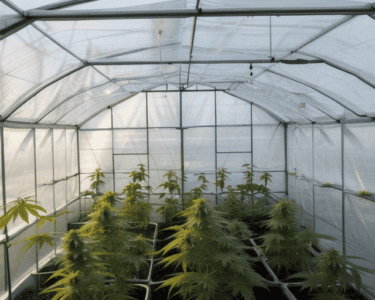
Once you’ve selected a strain, it’s time to prepare your growing environment. Cannabis can be successfully grown both indoors and outdoors, each with its own benefits. Indoor growing allows for complete control over light, temperature, and humidity, making it a preferred option for many beginners. However, outdoor growing leverages natural sunlight and can yield larger plants.
For an indoor setup, invest in quality grow lights, fans, and a temperature/humidity monitor to simulate optimal conditions. If you’re growing outdoors, select a location with plenty of sunlight, good drainage, and protection from harsh winds. It’s essential to consider the climate where you live; some states experience extreme weather conditions that can impact growth.
Soil and Nutrients
Choosing the right soil is critical for a successful cannabis garden. High-quality soil must have adequate drainage, organic matter, and essential nutrients. Many growers opt for pre-mixed cannabis soil, which often contains the necessary components to support healthy growth. In recent years, there’s been a rising interest in organic and sustainable growing practices as well, including composting and using natural fertilizers.
Additionally, understanding how to feed your plants through the life cycle—from seedlings to flowering—is vital. Many cannabis-specific nutrient products are available on the market, but you must ensure they’re formulated for the growth stage of your plants. Monitoring pH levels is also critical; cannabis thrives in a slightly acidic environment, typically between 6.0 and 7.0.
Watering and Maintenance
Watering is both an art and a science. Cannabis plants prefer a balance; overwatering can suffocate roots while underwatering can stress them. A general guideline is to water when the top inch of soil feels dry. Many cultivators use the “lift the pot” method: if the pot feels light, it’s time to water.
Regular maintenance, including pruning and topping, can help manage plant growth and enhance light penetration. This practice encourages bushier plants with more flowering sites, leading to a more bountiful harvest. Furthermore, keep an eye out for pests or diseases; common threats include spider mites and powdery mildew. Employing integrated pest management strategies can help mitigate these issues organically.
The Flowering Stage
As your plants reach maturity, they will enter the flowering phase. This is when your plants will develop the buds that are ultimately harvested. During this stage, light cycles become essential. Indoor growers will typically transition to a 12-hour light and 12-hour dark schedule to encourage flowering. Outdoor growers need to understand the natural cycles of daylight to predict flowering time.
Expert growers often advise monitoring the trichomes—tiny resin glands on the buds—to determine the right time for harvest. When trichomes appear milky with some amber ones mixed in, it’s generally the right time to harvest for optimal potency. Timing can vary based on the strain and growing conditions, so patience and observation are key.
Harvesting and Curing
Once your plants are ready for harvest, cut them at the base and hang them upside down in a dark, cool, and airy space. This drying process typically takes about a week. After drying, buds must be cured in sealed jars, burping them daily to remove excess moisture, for optimal flavor and potency.
Curing can take anywhere from a few weeks to several months, and it’s a step that should not be rushed. Properly cured cannabis will have enhanced aroma and potency, whereas rushed drying can lead to subpar product.
Conclusion: The Journey Ahead
Gardening is an art that requires patience, attention, and a willingness to learn. As you nurture your first cannabis garden, remember that experiences will teach you much more than the guidance within these steps. As you step into this green adventure, keep up with emerging trends and continuously adapt your practices. The cannabis community is rich with resources, including forums and local grower groups that can offer insights and support.
As legalization spreads and techniques evolve, growing cannabis is more than just a hobby; it is a pathway to understanding a plant that has historical and therapeutic significance. Whether you cultivate for personal enjoyment or to contribute to the evolving cannabis culture, your journey will be unique and fulfilling. Embrace the process, relish the learning experiences, and look forward to enjoying the fruits of your labor in due time.
[ad_2]