

 By
By The Future of Natural Healing Through CBD in the United States
As the landscape of healthcare continues to evolve, the integration of natural remedies is becoming increasingly prominent. Leading the charge in this movement is cannabidiol (CBD), a non-psychoactive compound derived from the hemp plant. With an ever-growing body of research supporting its potential health benefits, coupled with a shift toward holistic approaches to wellness, CBD is reshaping perspectives on natural healing in the United States. The future of this burgeoning industry is promising, presenting both opportunities and challenges as it navigates the complex regulatory environment.
The Rise of CBD: A Brief Overview
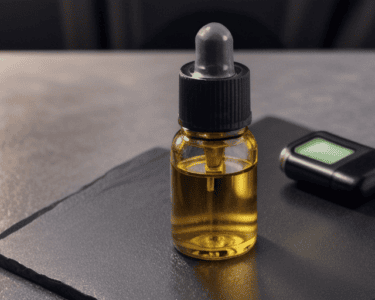
CBD has gained considerable traction over the last few years. Initially, its emergence in the mainstream spotlight can be traced back to the Farm Bill of 2018, which legalized hemp cultivation and its derivatives at the federal level. As a result, thousands of CBD products flooded the market, ranging from oils and edibles to topicals and supplements. Unlike tetrahydrocannabinol (THC), the psychoactive component of cannabis, CBD does not produce a “high,” making it more appealing to a broader consumer base.
According to recent surveys, nearly 40% of Americans have reportedly tried CBD in some form, and this percentage is steadily rising as more people seek natural alternatives for health issues like anxiety, chronic pain, and insomnia. As consumers become more health-conscious and informed, the demand for such natural remedies continues to grow, setting the stage for CBD to flourish as a prominent player in the wellness sector.
Current Trends and Innovations
One of the most exciting trends in the CBD landscape is the continuous innovation within the product offerings. Companies are increasingly investing in research and development to enhance the efficacy and bioavailability of CBD. Full-spectrum and broad-spectrum formulations are becoming more common, as they leverage the “entourage effect” — the synergistic benefits that different cannabinoids and terpenes can provide together.
Moreover, the infusion of CBD in various consumer goods is creating new markets and niches. From cosmetics and skincare products to beverages and gourmet edibles, the versatility of CBD is appealing to a wide array of consumers. Recent developments involve the use of nanotechnology, allowing for smaller CBD particles that may increase absorption rates and enhance the effects. This wave of innovation indicates a vibrant future for CBD, where targeted therapies could address specific health concerns more effectively.
The Research Landscape
As public interest in CBD grows, so too does the need for rigorous scientific research. Institutions like the National Institutes of Health (NIH) and various universities have started to explore the therapeutic potential and efficacy of CBD in treating various conditions. Some promising findings suggest that CBD may assist with reducing inflammation, alleviating anxiety, and even supporting neuroprotection.
However, this research is still in its infancy, and many of the studies conducted so far have been small-scale or animal-based. A lack of extensive clinical trials means that gaps in understanding CBD’s long-term effects and optimal dosages remain. As researchers continue to delve deeper into the efficacy and safety of CBD, ongoing studies could serve to solidify its position as a credible player within the medical community.
Regulatory Challenges and Consumer Safety
While the prospects for CBD are bright, the regulatory landscape poses significant challenges. The U.S. Food and Drug Administration (FDA) has been slow to establish a comprehensive framework for CBD products, leading to confusion among consumers and manufacturers alike. Current regulations can be inconsistent, ranging from outright bans in certain states to more relaxed guidelines in others.
This regulatory ambiguity raises concerns about product quality and safety. Many CBD products on the market are not subject to rigorous testing, which can lead to inconsistencies in potency and purity. To mitigate these issues, consumers must be vigilant, seeking out reputable brands that provide third-party lab testing results to ensure the products are safe and effective.
Consumer Education and Awareness
As the CBD market matures, consumer education will play a crucial role in its acceptance and integration into wellness practices. Awareness campaigns need to focus on empowering consumers with accurate information about the benefits, potential risks, and appropriate usage of CBD. Educating healthcare professionals is equally important, as they will be instrumental in guiding patients toward safe and reliable sources of CBD for therapeutic use.
Several associations and watchdog groups are emerging to advocate for transparency and integrity within the CBD sector. Their efforts aim to standardize practices and encourage ethical cultivation, production, and marketing of CBD products. This movement toward accountability and education will foster a culture of trust and reliability, ensuring that CBD is recognized as a legitimate component of natural healing.
Conclusion: A Promising Future on the Horizon
The future of natural healing through CBD in the United States is at a pivotal juncture. With increasing acceptance, ongoing research, and innovative product developments, CBD could become a cornerstone of holistic health practices. However, addressing regulatory hurdles and ensuring consumer safety must be prioritized to harness its full potential.
As we look ahead, the collaboration between researchers, manufacturers, healthcare providers, and consumers will be vital in shaping the landscape of CBD and natural healing. With further education and transparency, CBD can transition from its controversial beginnings to a respected alternative therapy embraced by the medical community. As we progress, it invites us to rethink our approaches to healthcare, encouraging a more integrated understanding of wellness that respects both nature and science.