 By
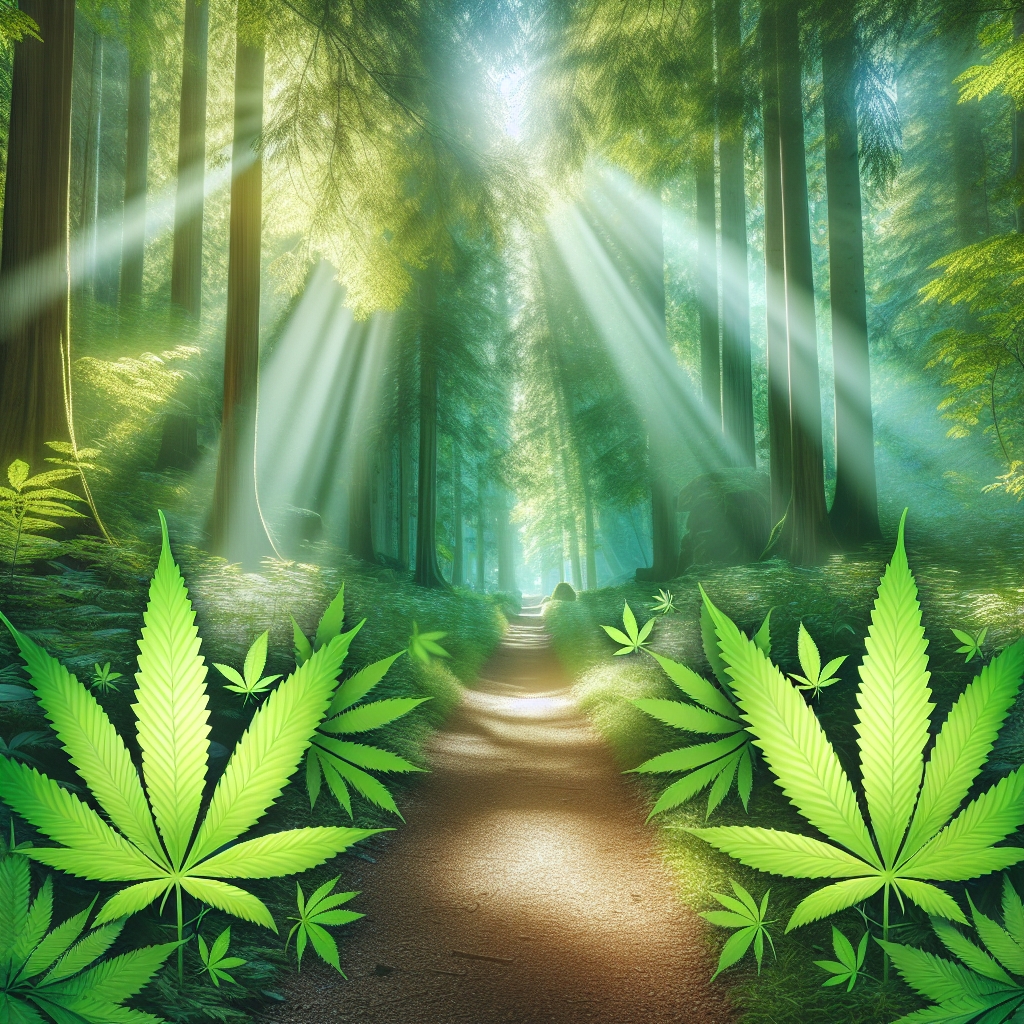
By The Green Path to Wellness: Integrating Cannabis into Your Lifestyle in the United States
In recent years, cannabis has transitioned from a controversial subject to a focal point in discussions about health and wellness in the United States. As more states legalize its use for medicinal and recreational purposes, an understanding of cannabis and its integration into daily life has become vital. This article aims to explore how people can embrace this green path to wellness, considering current trends, emerging research, and practical applications.
The Changing Landscape of Cannabis Legislation
The legalization of cannabis has been one of the most significant societal shifts in recent years. As of 2023, 38 states and the District of Columbia have legalized medicinal cannabis, with several also allowing recreational use. The gradual de-stigmatization of cannabis use has opened opportunities for researchers, consumers, and wellness enthusiasts alike. Notably, the 2022 midterm elections saw additional states voting to legalize cannabis, showcasing the growing acceptance of this once-taboo substance.
As more people gain access to legal cannabis, there has been an increased interest in its medicinal properties. Studies reveal that cannabinoids like CBD (cannabidiol) and THC (tetrahydrocannabinol) can alleviate a range of ailments, from chronic pain and anxiety to insomnia and PTSD. This burgeoning field offers a wealth of knowledge that individuals can utilize to improve their health and well-being, creating a significant tipping point in how society views cannabis.
Understanding the Science Behind Cannabis
To appreciate the role of cannabis in wellness, it is crucial to understand the science underlying its effects. The human body has an intricate endocannabinoid system (ECS) that interacts with cannabinoids found in cannabis. This system regulates numerous bodily functions, including mood, appetite, and pain perception. By consuming cannabinoids, individuals can potentially restore balance in their ECS, leading to improved overall well-being.
Current research highlights the potential benefits of whole-plant cannabis extracts. Unlike synthetic pharmaceuticals, which often target a single pathway, cannabis offers a multi-faceted approach to health. For instance, the synergistic effects of various cannabinoids and terpenes in the plant—known as the “entourage effect”—can enhance efficacy and reduce side effects. As awareness grows, more consumers are exploring personalized cannabis options tailored to their specific health needs.
Integrating Cannabis into Daily Life
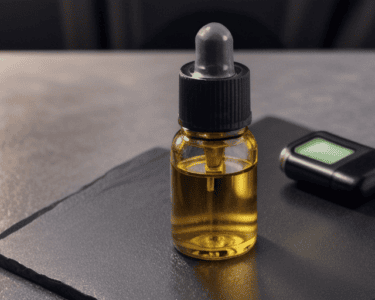
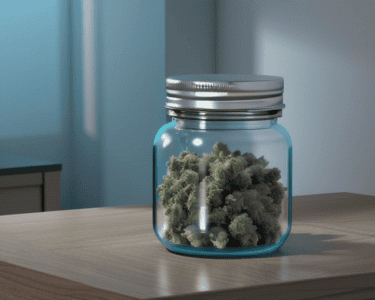
Cannabis can be integrated into one’s lifestyle in various ways, depending on individual preferences and needs. Edibles, vapes, oils, tinctures, and topicals are just some of the available methods for consumption. For those reluctant to smoke or vape, edibles and topicals may offer more appealing alternatives that deliver therapeutic effects without the risks associated with inhalation.
Moreover, microdosing—taking very small amounts of cannabis—has gained traction as a means to experience the benefits of cannabis without experiencing intoxication. This method can provide the pain relief, focus enhancement, or anxiety reduction many seek without the “high” often associated with traditional consumption.
In addition to these methods, wellness-focused communities are emerging around cannabis use. Wellness retreats, workshops, and online forums encourage individuals to share experiences, enhance their understanding of the plant, and promote holistic living. This social dimension of cannabis culture is becoming an integral part of its journey into mainstream health practices.
The Role of CBD in Wellness
Cannabidiol (CBD) has captured the attention of both consumers and researchers alike due to its myriad potential benefits. Unlike THC, CBD does not produce psychoactive effects, making it appealing for those seeking wellness without intoxication. It is commonly used to alleviate anxiety, reduce inflammation, and manage sleep disturbances.
With the market flooded with CBD-infused products—from oils and teas to cosmetics—consumers are encouraged to research and choose high-quality items from reputable sources. The FDA has begun to crack down on misleading marketing practices, but the demand for transparent labeling and third-party certification persists. As regulations develop, responsible consumption and education will be key to safely accessing CBD’s benefits.
Current Trends and Future Directions
The cannabis wellness space is evolving rapidly. In 2023, industry experts suggest that personalized cannabis therapies will become more prominent, with advancements in genetic testing helping consumers tailor their experiences based on their unique biology. Moreover, as more studies affirm cannabis’s health benefits, we can expect increased collaboration between healthcare professionals and cannabis practitioners.
Additionally, the integration of cannabis into holistic practices like yoga and meditation reflects a broader trend toward mind-body wellness. Workshops combining these activities with cannabis use are emerging, inviting participants to explore enhanced mindfulness and relaxation. As these practices gain momentum, cannabis may become a normalized aspect of holistic healing frameworks, bridging gaps between traditional medicine and natural therapies.
Conclusion: The Future is Green
As the dialogue around cannabis continues to evolve, it presents an exciting opportunity for personal and collective well-being. With the stigma diminishing and research supporting its therapeutic potential, integrating cannabis into one’s lifestyle may serve as a vital component of holistic health.
However, as with any health-related decision, individuals should approach cannabis with informed caution. Consulting healthcare professionals and staying updated on emerging research are key to safely navigating this green path. The future of wellness may indeed be green, unlocking the door to a healthier, more balanced life for many who dare to explore this ancient plant’s modern possibilities.
In the end, the journey toward wellness through cannabis is not just about consumption but engagement—connecting with oneself and the broader community in pursuit of health, happiness, and harmony.