

 By
By [ad_1]
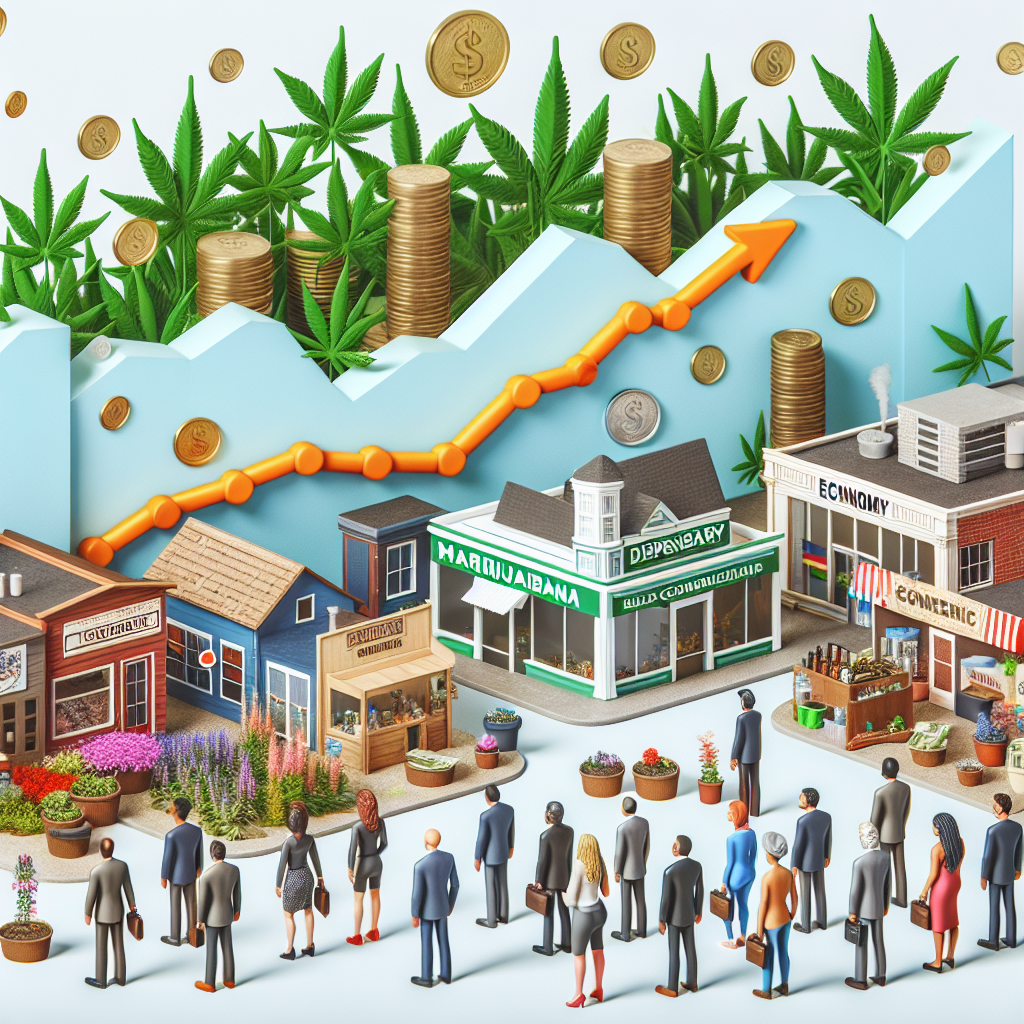
The legalization of cannabis in the United States has emerged as a transformative force, reshaping local economies across the nation. From generating substantial tax revenues to creating thousands of jobs, the economic impact of cannabis legalization is multifaceted and continues to evolve. This article explores the current state of cannabis legalization and its profound effects on local economies, highlighting both the successes and challenges that accompany this burgeoning industry.
The Rise of Cannabis Legalization
As of mid-2025, 24 states and the District of Columbia have legalized cannabis for recreational use, with several others permitting medical use. This widespread adoption reflects a significant shift in public perception and policy, driven by changing attitudes toward cannabis consumption and its potential economic benefits. The initial promise of legalization was to generate tax revenue, create jobs, and reduce the burden on the criminal justice system.
Economic Benefits: Tax Revenue and Job Creation
One of the most immediate and tangible impacts of cannabis legalization is the surge in tax revenue. In 2023, states with legal cannabis markets collectively generated over $4.18 billion in tax revenue. California led the nation, contributing approximately $1.1 billion, while Washington and Colorado, pioneers in legalization, amassed substantial revenues from adult-use cannabis sales. (investopedia.com)
These funds have been allocated to various public services, including education, healthcare, and infrastructure development. For instance, Colorado has directed a significant portion of its cannabis tax revenue toward school construction and repairs, benefiting students and educators statewide. (en.wikipedia.org)
Beyond fiscal gains, the cannabis industry has become a significant job creator. By 2023, the sector employed over 520,000 full-time workers, marking a 30% increase from the previous year. This growth spans various roles, from cultivation and retail to ancillary services such as security, marketing, and logistics. States like Missouri and Maryland have reported substantial job creation following the launch of adult-use cannabis sales, further underscoring the industry’s role in economic development. (cannstrategy.com)
Challenges and Considerations
Despite these economic benefits, the path to legalization has not been without challenges. Social equity programs, designed to assist communities disproportionately affected by the War on Drugs, have faced obstacles. Applicants often encounter financial barriers, local zoning restrictions, and legal hurdles, hindering their ability to establish businesses in the legal market. For example, Washington’s social equity program, initiated in 2020, has seen limited success due to these challenges. (apnews.com)
Additionally, the anticipated tax windfalls have been tempered by competition from the illicit market. Legal cannabis products often carry higher prices due to regulatory compliance costs, prompting some consumers to continue purchasing from unregulated sources. This dynamic has complicated the industry’s growth and the realization of projected tax revenues. (time.com)
Real Estate and Ancillary Industries
The legalization of cannabis has also had a notable impact on real estate markets. Commercial properties suitable for cultivation and retail have seen increased demand, leading to higher property values in areas designated for cannabis operations. In states like Illinois and Michigan, property values in "green zones" have risen by 15% to 20% compared to non-cannabis zones. (cannstrategy.com)
Ancillary industries, including technology, packaging, and logistics, have experienced growth as well. The need for specialized services has spurred innovation and investment, contributing to the broader economic impact of legalization. This expansion has created a ripple effect, benefiting sectors beyond the immediate cannabis industry.
Social and Public Health Implications
While the economic benefits are significant, the social and public health implications of cannabis legalization warrant attention. Studies have indicated an increase in cannabis-related emergency room visits, particularly among adolescents, and a rise in traffic incidents involving impaired drivers. These trends highlight the need for comprehensive public health strategies to address potential risks associated with increased cannabis availability. (en.wikipedia.org)
Conclusion: A Complex Landscape
The impact of cannabis legalization on local economies in the United States is multifaceted, encompassing substantial economic growth alongside challenges that require careful consideration. As more states move toward legalization, it is imperative to implement policies that maximize economic benefits while mitigating potential social and public health risks. Ongoing research, adaptive regulatory frameworks, and community engagement will be crucial in shaping the future of the cannabis industry and its role in local economies.
Recent Developments in Cannabis Legalization and Its Economic Impact:
- The drug war devastated Black and other minority communities. Is marijuana legalization helping?
- Legal Weed Didn’t Deliver on Its Promises
- Recreational marijuana sales nearly doubled in Maine in 2022
[ad_2]