

 By
By [ad_1]
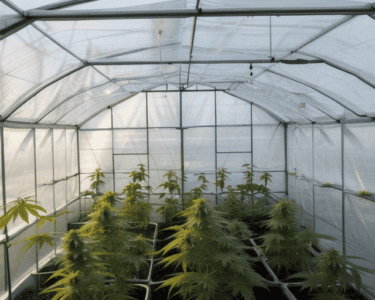
As the cannabis industry continues to flourish across the United States, cultivating high-quality strains has become both a science and an art. With more states legalizing cannabis, growers are increasingly investing in greenhouses to optimize conditions for plant growth while complying with state regulations. In this article, we explore the essential elements of designing the perfect greenhouse for cannabis cultivation, considering current trends, innovations, and expert insights that ensure excellence in yield and quality.
Climate Control: The Foundation of Success
One of the primary considerations when designing a greenhouse for cannabis is climate control. Cannabis plants thrive in specific temperature and humidity ranges, often between 70°F to 85°F during the day and slightly cooler at night. High humidity levels can invite mold and pests, while low humidity can stunt growth. Modern greenhouses are equipped with advanced climate control systems, including automated ventilation, heating, and cooling systems that maintain the ideal environment year-round.
Recent innovations in environmental monitoring technology allow growers to collect data on temperature, humidity, and light exposure, optimizing conditions for plant growth. Products like smart sensors and IoT (Internet of Things) devices provide real-time feedback that can help in making data-driven decisions for climate adjustments. As a result, growers can not only enhance their yields but also significantly reduce energy consumption and costs.
Light: The Power of Photosynthesis
Light is another critical factor influencing cannabis growth, and maximizing natural sunlight in a greenhouse can greatly improve plant health and productivity. Choosing the right greenhouse design—whether it’s a traditional style or a more modern structure—can enhance light penetration. South-facing orientations capture the maximum amount of sunlight, while materials like polycarbonate or double-layered greenhouse plastics offer excellent light diffusion.
Supplemental lighting, particularly during shorter days or the winter months, is also essential. LED grow lights have gained popularity for their efficiency and lower heat output, making them a go-to choice for indoor and greenhouse settings. Growers must balance the use of artificial light with sunlight to create an optimal lighting schedule that matches the plants’ growth stages, ultimately resulting in robust and high-THC strains.
Soil and Hydroponics: Choosing the Right Medium
The choice of growing medium can significantly impact the health and yield of cannabis plants. While traditional soil remains popular, many growers are moving towards hydroponic systems, which can provide faster growth and greater yields. Hydroponics allows for precise control over nutrient delivery, eliminating the need for soil and reducing the risk of pests and disease.
Recent research indicates that many successful cannabis growers are combining soil and hydroponic methods—known as "living soil" systems. These hybrid setups allow cannabis plants to benefit from the microbial life in soil while also taking advantage of the nutrient control offered by hydroponics. Understanding the needs of specific strains and the preferences of target markets can help growers choose the most suitable setup for their operations.
Sustainability: The Ethical Greenhouse
Sustainability is an increasingly crucial aspect of any modern greenhouse design, especially for cannabis cultivation, which has come under scrutiny for its environmental impact. Implementing sustainable practices not only resonates with eco-conscious consumers but also prepares growers for future regulations that may mandate environmentally responsible practices.
Using renewable energy sources like solar panels can significantly reduce a greenhouse’s carbon footprint. Additionally, rainwater harvesting systems and efficient waste management practices, such as composting, further contribute to sustainable operations. Adopting organic growing practices not only benefits the environment but can also enhance the quality of the final product, appealing to health-conscious consumers.
Regulatory Compliance: Navigating the Landscape
As cannabis continues to be legalized in various states, navigating the regulatory landscape has become increasingly complex. Each state has specific guidelines that growers must follow to remain compliant, including regulations around greenhouse size, security measures, and tagging requirements.
Engaging with local agricultural bodies and legal experts is vital for ensuring adherence to local laws. Additionally, many growers are leveraging technology to simplify compliance, using software solutions that help manage records related to tracking and reporting. These tools can support transparency and accountability, essential for maintaining a reputable business in the burgeoning cannabis industry.
The Future of Cannabis Greenhouse Design
The future of greenhouse design for cannabis cultivation in the United States appears promising, marked by innovations and an increasing understanding of plant biology. Vertical farming, for example, is starting to see application in marijuana cultivation, allowing for space-efficient growth that maximizes yield in restricted areas. As advancements in technology, such as AI-driven systems and robotics, become integrated into greenhouse operations, the potential for optimized production and increased efficiency will grow exponentially.
Moreover, as consumer preferences shift and the demand for high-quality, organic cannabis products rises, adapting greenhouse designs to meet these trends will be essential. Growers must remain informed about market trends, ensuring they can pivot quickly to capitalize on new opportunities.
Conclusion: Cultivating Excellence
Designing the perfect greenhouse for cannabis cultivation is more than just aesthetic décor; it’s a complex blend of science, technology, and a keen understanding of the ecological and regulatory landscapes. As the cannabis market continues to expand, growers who invest in advanced greenhouse technology, sustainability practices, and compliance will not only cultivate high-quality cannabis but will also contribute to the evolution of the industry.
The challenges of cultivating cannabis in a greenhouse setting are significant, but so too are the rewards. In an ever-evolving market that values quality and sustainability, creating a greenhouse that meets the demands of the modern consumer might just be the key to unlocking the next level of cannabis excellence. The journey is far from over, and innovation will continue to shape the future, leaving both growers and consumers eager for what’s next.
[ad_2]