

 By
By [ad_1]
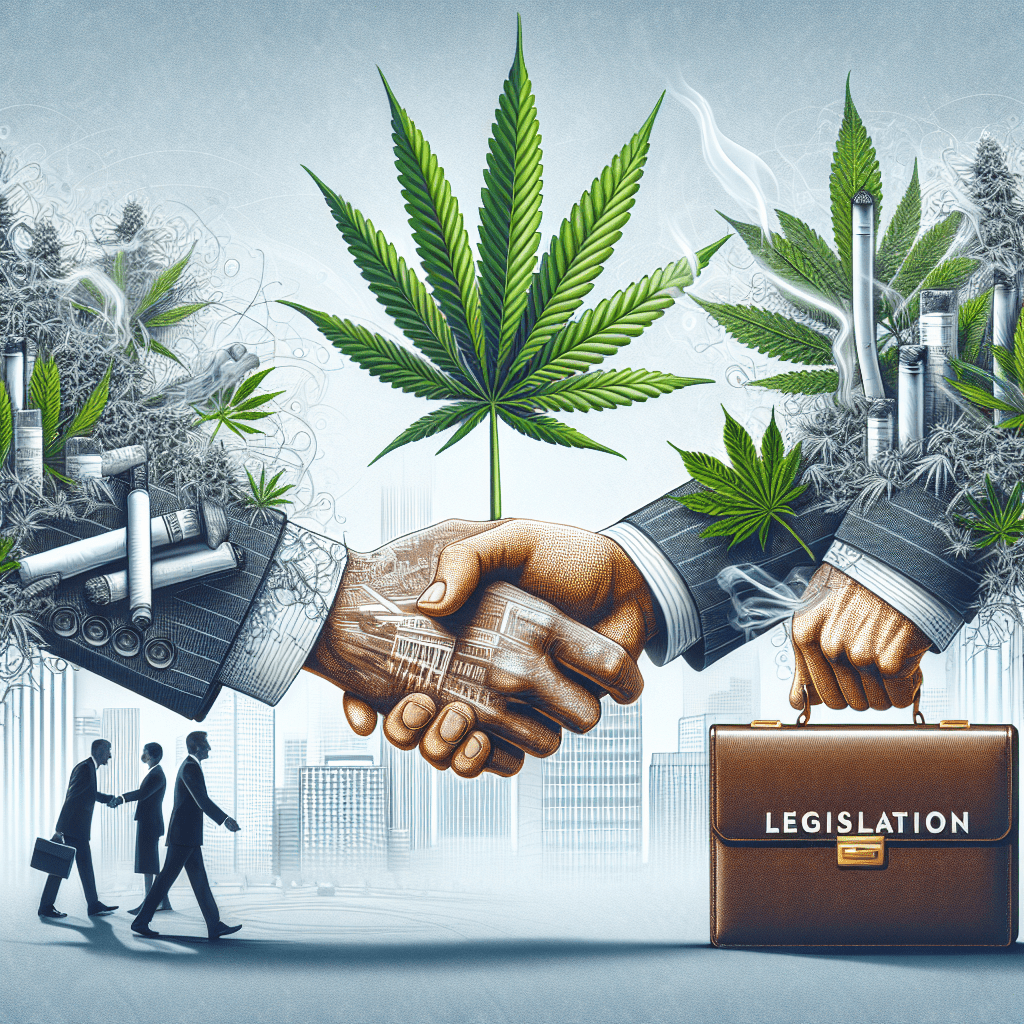
In recent years, the landscape of cannabis legalization in the United States has experienced a seismic shift. What began as a grassroots movement to decriminalize and legalize cannabis has evolved into a complex interplay of social justice, economic interests, and corporate influence. The rapid expansion of the cannabis industry has attracted significant investment from corporate entities, fundamentally altering the dynamics of legalization efforts. As more states embrace legalization, understanding the impact of corporate interests on these movements is essential for grasping the future of cannabis policy in America.
The Evolution of Legalization
The push for cannabis legalization gained momentum in the early 2000s, with California leading the way by legalizing medical marijuana in 1996. Since then, a growing number of states have followed suit, prompted by changing public perceptions and the potential economic benefits of a regulated cannabis market. By 2023, over 20 states have enacted laws permitting adult-use cannabis, with several others offering medical options. However, while this progress is laudable, the role of corporate influence cannot be ignored. Many legalization efforts have shifted from a purely social justice perspective to a profit-driven agenda, often sidelining the voices of those most affected by cannabis criminalization—largely communities of color.
Corporate Interests in Cannabis
As the legalization landscape expands, so does corporate involvement. Large corporations view cannabis as a lucrative opportunity for profit, appealing to investors eager to capitalize on the surging market. The cannabis industry is expected to grow significantly in the coming years, with estimates suggesting it could reach over $41 billion by 2025. Consequently, companies like Canopy Growth, Curaleaf, and others are investing heavily in cultivation, processing, and distribution. However, this influx of corporate money raises questions about the original intent of legalization and who stands to benefit the most.
One area of concern is the consolidation of cannabis businesses. As larger corporations acquire smaller, independent growers and dispensaries, the unique qualities that once characterized local cannabis markets begin to erode. The original ethos of cannabis culture—community-driven and socially conscious—faces the threat of being overshadowed by corporate interests prioritizing profit over people. This shift raises critical questions regarding market accessibility for small businesses and the fair representation of marginalized communities in the burgeoning cannabis landscape.
Regulatory Frameworks and Corporate Power
The intertwining of corporate influence and cannabis legalization is also evident in the regulatory frameworks that states establish. Many states’ cannabis laws feature high barriers to entry for small businesses, including expensive licensing fees and complex regulatory requirements. Consequently, these frameworks often favor well-funded corporations over local entrepreneurs. A stark example can be seen in Massachusetts, where the application process to enter the legal cannabis market has resulted in significant disparities, leaving many minority-owned businesses unable to compete.
Moreover, lobbying efforts by corporations seeking favorable regulations further complicate matters. According to a 2021 report by the Center for Responsive Politics, cannabis-related organizations spent over $2.5 million on lobbying, with significant contributions from large corporations. This financial clout enables companies to shape legislation in ways that can perpetuate the status quo, often at the expense of social equity initiatives designed to rectify the injustices of the War on Drugs.
Social Equity and Corporate Responsibility
As discussions surrounding cannabis legalization evolve, there remains an urgent need to address the social equity component of this movement. Corporate influence not only shapes market structures but also impacts the implementation of equity programs aimed at reinvesting in communities disproportionately affected by cannabis prohibition. Many states have adopted social equity initiatives to provide support for minority-owned businesses, but the effectiveness of these initiatives is often diluted when large corporations dominate the market.
For instance, in Illinois, a state that has made efforts to prioritize social equity, large companies have been criticized for failing to engage meaningfully with local communities. Critics argue that while corporations may express goodwill through public-facing initiatives, the tangible benefits to affected communities remain minimal. Cannabis companies must not only ensure their practices are inclusive but also invest in the communities they seek to profit from, a sentiment echoed by activists and experts alike.
Moving Forward: Balancing Interests in Cannabis Policy
The future of cannabis legalization in the U.S. will depend on how effectively policymakers can balance the influence of corporate interests with the foundational goals of social equity and community empowerment. As the landscape continues to evolve, there is a pressing need for robust consumer protections, fair regulation, and accountability measures that ensure corporations contribute positively to the communities they operate within.
Additionally, public awareness and advocacy will play crucial roles in defining the trajectory of cannabis policies. Engaging the public to bring attention to issues of equity and corporate influence will be vital to maintaining a focus on social justice. Nonprofits and grassroots organizations must continue to work alongside engaged citizens to hold both lawmakers and corporations accountable.
Conclusion
The ongoing evolution of cannabis legalization in the United States underscores the inherent tension between corporate interests and the original social justice objectives that propelled the movement. As large companies vie for dominance in an increasingly lucrative market, the essence of what cannabis legalization represents should not be lost amidst the drive for profit. Ensuring that legalization efforts remain focused on equity, justice, and community engagement will be critical as we navigate the complex future of cannabis policy. The decisions made today will reverberate for generations, shaping not just the landscape of cannabis but also the ongoing dialogue about justice and equity in America. The question remains: will we allow corporate interests to overshadow social justice, or will we fight to preserve the core values that inspired this transformative movement?
[ad_2]