 By
By [ad_1]
The cannabis industry in the United States has undergone a transformative evolution over the past decade, driven by a wave of legalization and increased public interest. Central to the successful cultivation of cannabis, whether for recreational or medicinal purposes, is a nuanced understanding of light cycles. This concept is critical not only for maximizing yields but also for enhancing the cannabinoids and terpenes that define the plant’s unique characteristics. As more cultivators embrace sophisticated agricultural techniques, understanding the science behind light cycles offers valuable insights into optimizing growth, sustainability, and efficacy.
The Basics of Light Cycles
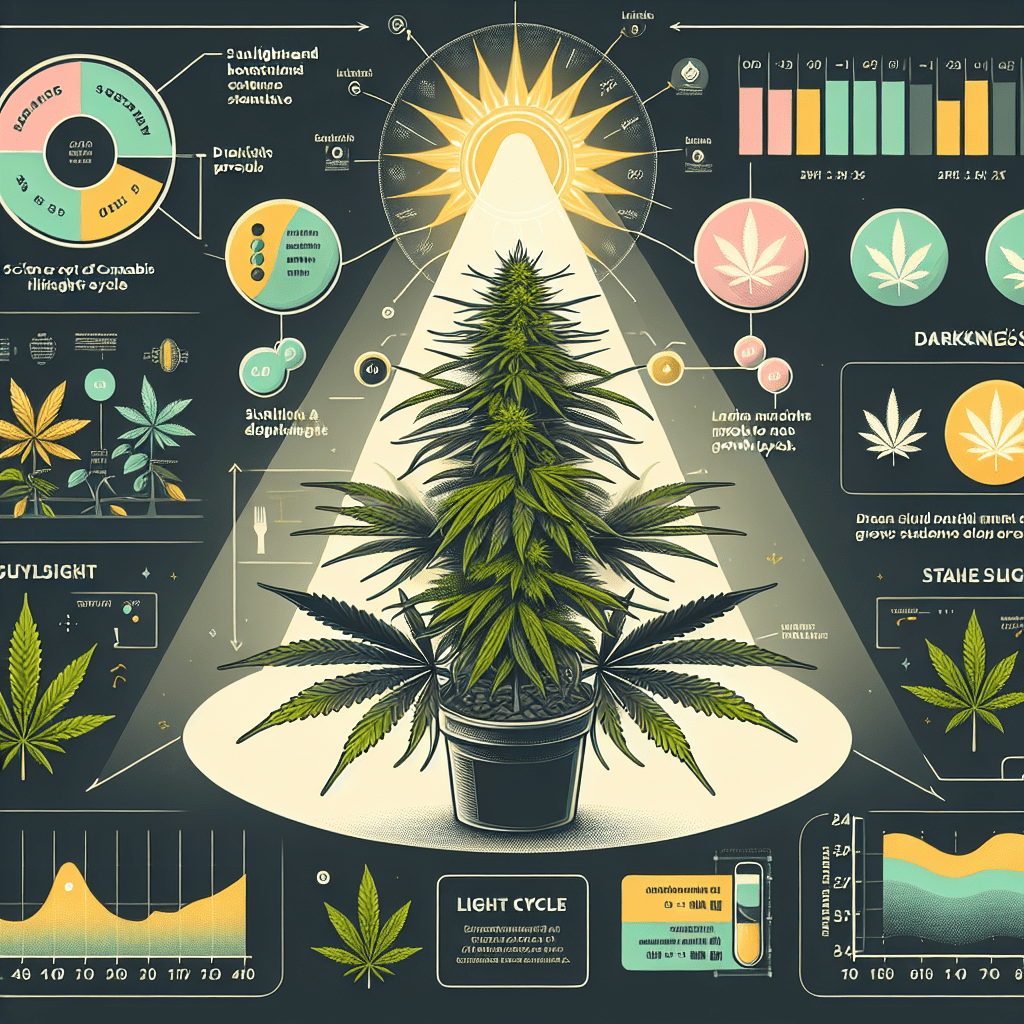
At its core, light cycles refer to the duration and intensity of light provided to cannabis plants during their growth stages. Cannabis is a photoperiod-sensitive plant, meaning its growth and flowering cycles are significantly influenced by the amount of light it receives each day. Generally, the vegetative stage requires about 18 hours of light and 6 hours of darkness. In contrast, the flowering stage typically shifts to a 12/12 hour light-dark cycle. This shift plays a crucial role in signaling the plant to transition from vegetative growth to flowering, instigating the production of buds rich in cannabinoids.
Recent advancements in horticultural science have led to the development of light-emitting diode (LED) technology, which provides a more energy-efficient and customizable lighting solution. Unlike traditional high-intensity discharge (HID) lights, LEDs can be tailored to emit specific wavelengths that are most beneficial for plant growth. Research has indicated that certain light spectra can influence the production of secondary metabolites, including THC and CBD, thereby impacting the plant’s potency and therapeutic properties.
Current Trends in Cannabis Cultivation
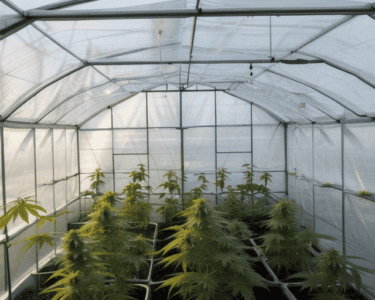
As the legal landscape surrounding cannabis continues to evolve in the U.S., cultivators are increasingly adopting advanced techniques that leverage the science of light cycles. One of the most significant trends is the growth of indoor and greenhouse cultivation. These controlled environments allow cultivators to manipulate light cycles precisely, optimizing conditions for different strains and maximizing yields.
Moreover, a growing number of cultivators are embracing "light deprivation" techniques, which involve blocking out natural sunlight during the day and providing artificial light to regulate light cycles. This method allows growers to extend their harvest season and produce higher-quality buds year-round. As the cannabis market becomes more competitive, these innovative practices are essential for stay ahead and satisfying the ever-growing consumer demand.
Expert Insights into Optimal Light Management
Experts in the field of cannabis cultivation emphasize the importance of tailoring light cycles to individual strains. Each strain has its unique genetics, which determine how it responds to light. For instance, some strains may thrive under more extended light periods during the vegetative stage, while others might benefit from a shorter light cycle to trigger flowering. This understanding can lead to higher levels of cannabinoids and terpenes, making the final product more appealing to consumers.
Furthermore, the impact of light intensity cannot be overstated. Too much light can cause photoinhibition, which slows down plant growth and hampers the overall health of the cannabis crop. On the other hand, insufficient light may lead to elongated stems and sparse foliage, ultimately affecting the yield. It is crucial for cultivators to monitor and adjust light intensity dynamically, employing technology like photosensors to achieve the optimal balance.
The Role of Environmental Factors
Light cycles do not exist in isolation; they are part of a broader environmental context that includes temperature, humidity, and airflow. Each of these factors interacts with light availability to influence plant growth and development significantly. For instance, cannabis plants thrive in environments with well-regulated temperatures and humidity levels, as extremes can stress the plants and affect their response to light.
Recent studies have also highlighted the importance of CO2 levels in conjunction with light cycles. High levels of CO2 can enhance photosynthesis, particularly during the light phase, leading to accelerated growth and increased yields. As the industry moves toward sustainable practices, many cultivators are integrating carbon capture systems to optimize CO2 levels in closed growing environments, further enhancing the impact of their lighting strategies.
The Future of Light Cycles in Cannabis Cultivation
As the cannabis industry matures, the focus will likely shift toward optimizing not just the cultivation techniques but also the entire supply chain. Future innovations may involve developing more efficient lighting technologies, such as quantum dot LEDs and full-spectrum lights designed specifically for cannabis. Additionally, advancements in artificial intelligence and machine learning could enable growers to predict optimal light cycles and adjust conditions in real time, based on data analytics and environmental feedback.
An increasing emphasis on sustainability will also drive changes in how light cycles are managed. Policies surrounding energy consumption and carbon footprint will likely become more stringent, pushing cultivators to adopt practices that are not only economically viable but also environmentally responsible.
Conclusion: A Holistic Approach to Cannabis Cultivation
Understanding the science behind cannabis light cycles is more than just an agricultural concern; it speaks to the broader narrative of the industry’s evolution. As cultivators in the U.S. navigate the shifting landscape of legalization and consumer demand, a nuanced grasp of photoperiods, environmental factors, and technological enhancements will be paramount to success. Embracing advancements in lighting technology and sustainable practices will not only yield higher-quality cannabis but also contribute to a more responsible and innovative industry. As we look to the future, the marriage of science and cultivation will define the next chapter in the story of cannabis in America, prompting us to reflect on the potential for this extraordinary plant in our lives.
[ad_2]