
 By
By [ad_1]
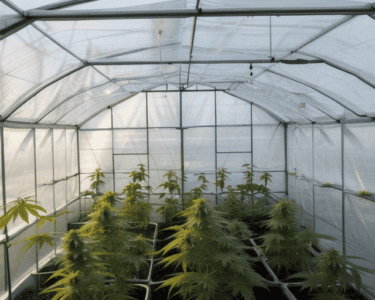
As cannabis cultivation continues to gain acceptance across the United States, both legally and culturally, growers are increasingly turning their attention to the crucial techniques of pruning and training plants. These practices not only enhance yield but also improve the quality of the buds, making them essential skills for both amateur and professional cultivators. In this article, we will explore the journey of these techniques, current trends, expert insights, and how they shape the future of cannabis cultivation.
Understanding the Basics: What Are Pruning and Training?
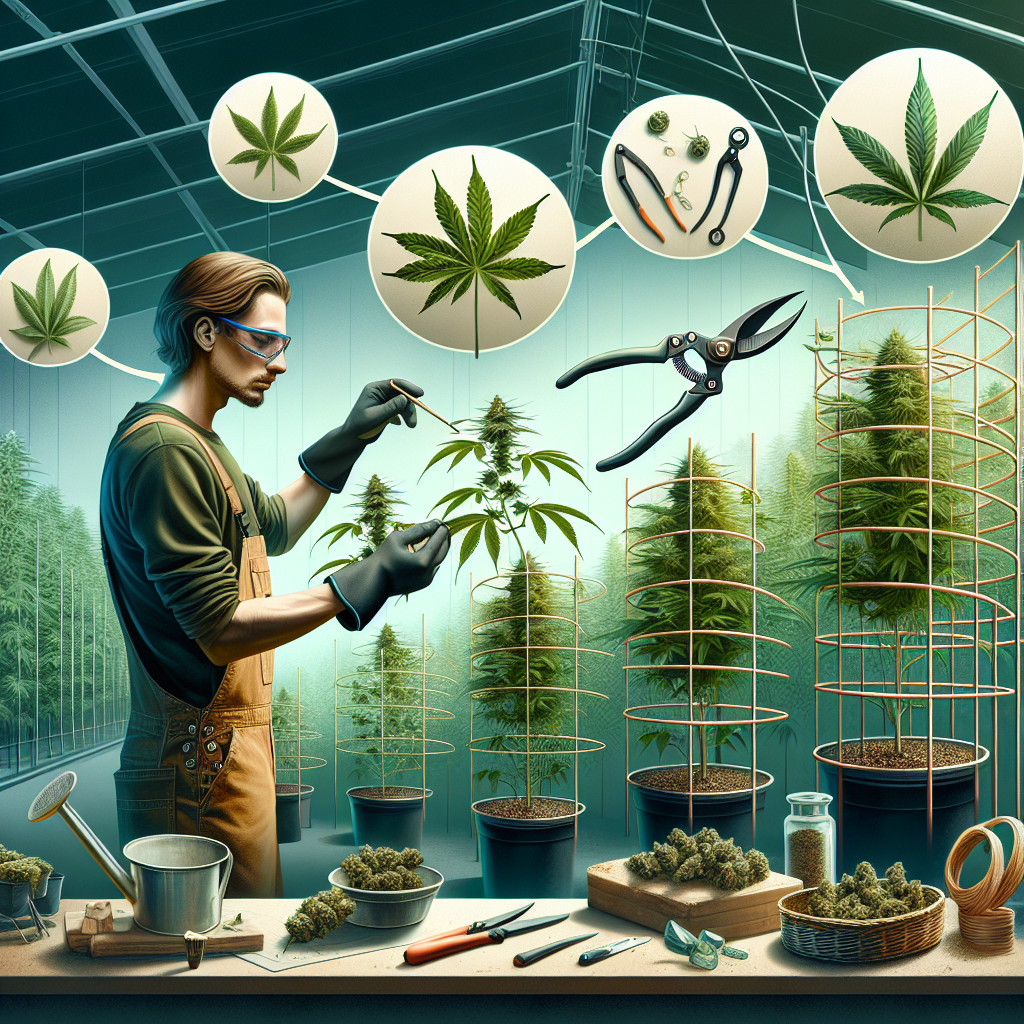
Pruning and training are vital techniques applied to manage the growth patterns of cannabis plants. Pruning involves the selective removal of parts of the plant, such as leaves and stems, to promote better air circulation, light penetration, and overall plant health. This process can reduce the chances of diseases and pests, thus ensuring a more robust plant capable of higher yields.
Training, on the other hand, refers to the manipulation of the plant’s growth to achieve a desired shape or height. Techniques such as Low-Stress Training (LST), High-Stress Training (HST), and Screen of Green (ScrOG) have become popular among growers looking to maximize their output. Each method has its advantages, and the choice of technique often depends on the particular strain being cultivated and the grower’s goals.
Current Trends and Techniques in Pruning and Training
In recent years, the approach to pruning and training cannabis plants has evolved significantly, thanks in part to advances in horticultural science and increased access to information. Growers today are more experimental with methods such as super cropping and fimming, which further manipulate the plant to encourage lateral growth and increase bud production.
One noticeable trend is the shift toward more sustainable farming practices. Organic cultivation is gaining traction, prompting growers to explore natural and holistic ways to manage plant health. Techniques like composting and the use of beneficial microorganisms are becoming commonplace, offering viable alternatives to chemical fertilizers and pesticides. This eco-friendly approach extends to pruning and training, as many growers seek to minimize stress on their plants and optimize their growth potential.
According to the latest data from the National Cannabis Industry Association, nearly 60% of cannabis growers are implementing some form of organic practice by 2023. This growing interest in sustainability not only benefits the environment but also caters to a consumer base that increasingly demands higher standards in product quality.
The Role of Technology in Modern Cannabis Cultivation
Technology has had a profound impact on how growers approach pruning and training. Innovations such as automated grow lights, climate control systems, and even advanced software for tracking plant health have emerged, allowing cultivators to refine their techniques significantly.
For example, the development of LED grow lights has made it easier for growers to control the spectrum of light their plants receive, which in turn influences how they prune and train them. By understanding how different lighting conditions affect growth patterns, growers can use this information to optimize their training methods, resulting in healthier plants and larger yields.
Furthermore, mobile applications dedicated to cannabis cultivation now allow growers to document their methods, track growth stages, and even receive personalized advice based on real-time data. This modern toolset is empowering growers, whether amateur or experienced, to make informed decisions, thereby enhancing their overall cultivation success.
Expert Insights: Interviews and Recommendations
To gain further insights on the current methodologies in pruning and training, we spoke with industry experts including horticulturists and experienced cannabis cultivators. Dr. Jane Foster, a leading expert in plant physiology, emphasized the importance of understanding each strain’s unique requirements. "Not all cannabis plants are created equal; knowing their genetics greatly influences the success of your pruning and training methods," she noted.
Moreover, seasoned cultivator Mark Rivers pointed out that new growers should not underestimate the power of patience. "Training requires time and observation. Every time you prune or train a plant, you should take a step back and evaluate how it’s responding. Changes may take time to manifest," he said.
These insights underline a fundamental truth: succeeding in cannabis cultivation involves a combination of science, art, and intuition. The techniques of pruning and training are not mere tasks; they are part of a holistic approach to cultivating thriving plants.
The Future of Pruning and Training in Cannabis Cultivation
As the legal landscape surrounding cannabis evolves, so too will the practices of pruning and training. With potential federal legalization on the horizon, cultivators may find themselves operating under increased regulation but also greater opportunities for innovation. This could lead to even more research and development into effective techniques that combine traditional methods with cutting-edge technology.
Furthermore, as more consumers seek quality over quantity, the emphasis on thoughtful pruning and training will become even more pronounced. The focus on craftsmanship in cannabis cultivation aligns with broader trends in artisanal production, highlighting quality and cultivation integrity.
Conclusion: A Thoughtful Path Forward
The journey of pruning and training cannabis plants in the United States is emblematic of a broader agricultural transformation. As growers adapt to changing regulations and consumer preferences, these techniques are not just about maximizing yield; they are about cultivating an ethos of quality, sustainability, and respect for the plant.
Reflecting on this journey encourages us to consider our role as consumers in this evolving landscape. As we support ethical and sustainable practices, we also contribute to a culture that values quality and innovation in cannabis cultivation—a true testament to the craft and care that goes into every bud. As cannabis continues to mature as a legitimate industry in the U.S., the art of pruning and training will indeed shape its destiny.
[ad_2]