
 By
By [ad_1]
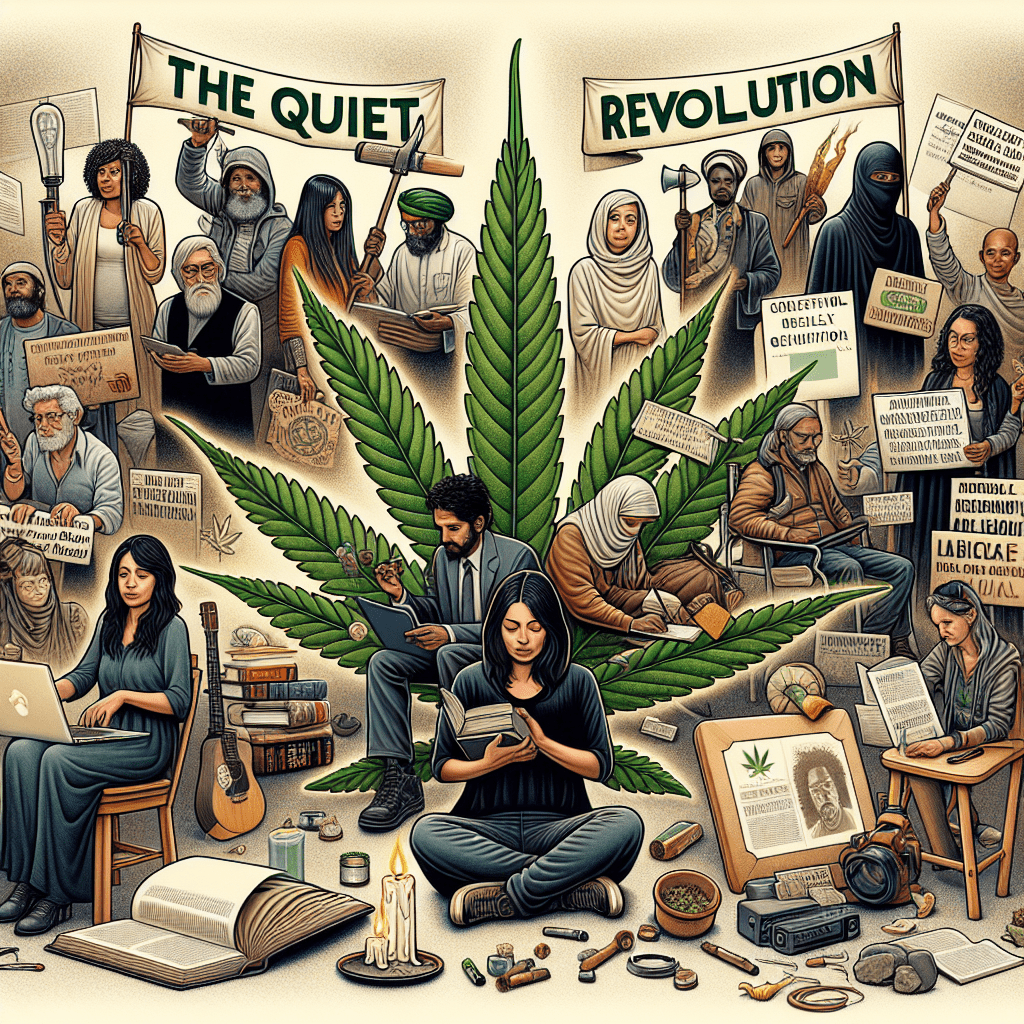
The Quiet Revolution: How Activists are Changing Cannabis Laws in the United States
In recent years, the cannabis landscape in the United States has undergone a profound transformation. The catalyst for this change, quietly yet persistently, has been the dedicated work of activists and advocacy groups. These individuals have challenged longstanding perceptions about marijuana, paving the way for medical and recreational legalization across the nation. As more states embrace reform, the movement is gaining a momentum that may soon make cannabis legalization a norm rather than an exception.
At the heart of this quiet revolution are grassroots organizations and activists who have leveraged a combination of public education, legal challenges, and political lobbying to change hearts and minds. Groups such as the Marijuana Policy Project and the Drug Policy Alliance have been instrumental in mobilizing public opinion and influencing policymakers. Their efforts have been crucial in navigating the complex landscape of state and federal laws, which have long contradicted each other, creating both confusion and legal grey areas.
A significant milestone in this movement came with Colorado and Washington’s decisions to legalize recreational marijuana use in 2012. These pioneering states demonstrated that legal cannabis markets could function effectively, providing valuable tax revenues while implementing regulatory measures to safeguard public health. The success they have experienced has been a blueprint for other states, gradually tipping the scale towards widespread acceptance.
Recent years have seen an increasing number of states embrace change. As of 2023, 23 states and the District of Columbia have fully legalized recreational cannabis use, while an additional 14 states have decriminalized its use or possess comprehensive medical cannabis programs. Illinois, Michigan, and most recently, New York—with its mixed urban and rural landscape—have shown how legalization can be tailored to diverse populations and social dynamics.
An essential component of this shift has been the changing public sentiment toward cannabis. Once associated with stigma and criminality, cannabis is now often seen through the lens of health and wellness, economic opportunity, and social justice. This shift in perception is largely due to effective public awareness campaigns highlighting the plant’s medical benefits and its role in criminal justice reform.
The economic incentives have also played a significant role in this transformation. States that have embraced legalization have reaped substantial financial benefits. In 2022, cannabis sales in the US reached nearly $25 billion, with significant portions allocated to public health initiatives, infrastructure development, and educational programs. These economic benefits have not only encouraged other states to reconsider their position but have also incentivized businesses and entrepreneurs to invest in this burgeoning industry.
Despite the promising trends, challenges remain. The federal status of cannabis as a Schedule I substance under the Controlled Substances Act continues to be a significant barrier. This classification implies that cannabis has a high potential for abuse and no recognized medical use, which contradicts evidence from various studies and the policies of individual states. The racial disparities in cannabis-related arrests persist, even in states with legal markets, reflecting a broader issue of racial inequality.
Advocates are now setting their sights on national reform. They argue that federal legalization is necessary not only to resolve the contradictions in law but to facilitate research and ensure equitable opportunities within the cannabis industry. The Cannabis Administration and Opportunity Act, reintroduced in Congress in recent months, seeks to decriminalize marijuana at the federal level, promoting equity and inclusion within the industry. Although its passage remains uncertain, it signifies a growing willingness among policymakers to address these issues comprehensively.
Looking ahead, the future of cannabis legalization in the United States appears promising but requires continued effort. Activists are increasingly focusing on integrating social justice into legalization efforts, ensuring that communities disproportionately affected by previous drug policies can benefit from the legal market. State-level expungement initiatives aim to redress past injustices by clearing the records of those convicted for offenses that are no longer illegal.
As this quiet revolution unfolds, it raises broader questions about societal change and the power of activism. The evolving cannabis laws demonstrate how sustained advocacy, grounded in evidence and driven by a clear vision for the future, can fundamentally reshape public policy. This transformation offers a model for addressing other complex social issues, showing how grassroots movements can influence change from the ground up.
In conclusion, the movement to reform cannabis laws in the United States is a testament to the power of collective action and the resilience of those committed to justice and equity. As more states align with the evolving public consensus, the push for federal reform gathers momentum. The journey is far from over, but the progress made thus far reflects a growing acknowledgment of the need for rational and humane drug policies. The ongoing efforts of activists and advocates will undoubtedly continue to shape the future of cannabis in America, offering valuable lessons for generations to come.
[ad_2]