

 By
By The Relationship Between Cannabis and Sleep Quality in the United States
As the legal landscape surrounding cannabis continues to evolve in the United States, many individuals are turning to the plant not just for recreational use but also for potential therapeutic benefits. One of the key areas where cannabis is gaining popularity is in the realm of sleep. With sleep disorders affecting millions of Americans, many are exploring whether cannabis can serve as a viable solution to improve sleep quality. Current research indicates a complex relationship between cannabis and sleep, one that encompasses a variety of factors including the type of cannabis used, dosage, individual biochemistry, and more.
Current Trends in Cannabis Use for Sleep
The rise of legal cannabis markets across the U.S.—with 38 states permitting some form of cannabis use as of 2023—has led to an increase in consumer interest in its effects on sleep. A recent survey by the National Sleep Foundation highlighted that 70% of respondents experiencing sleep issues had tried cannabis or CBD products to combat their insomnia or restless nights. While anecdotal evidence has long existed, researchers are beginning to study the effects seriously.
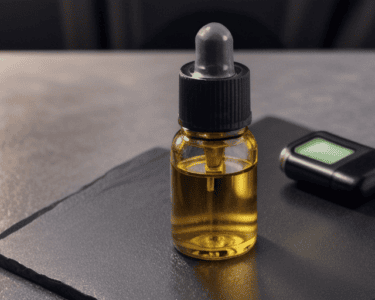
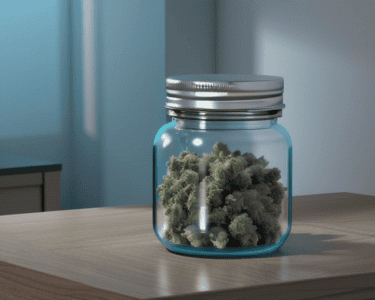
With the proliferation of products, ranging from high-THC strains to CBD-rich formulations, consumers are often confused about which options may be the most effective. Sativa strains are typically associated with uplifting effects, while indica strains are commonly thought to promote relaxation and sleepiness. These distinctions may play an essential role in how different cannabis strains affect sleep quality.
The Science Behind Cannabis and Sleep
Scientific studies examining cannabis and sleep quality have yielded mixed results, contributing to ongoing debates in the medical community. Cannabinoids, the active compounds in cannabis, interact with the body’s endocannabinoid system, which plays a role in regulating various physiological processes, including sleep. THC, the psychoactive component of cannabis, has been shown to help some individuals fall asleep faster. However, higher doses can lead to a reduction in REM sleep, a critical stage of the sleep cycle associated with dreaming and emotional regulation.
On the other hand, CBD, another prominent cannabinoid, has gained attention for its potential to alleviate anxiety and promote relaxation, potentially leading to improved sleep quality without the psychoactive effects of THC. Some recent studies suggest that a combination of both THC and CBD could provide synergistic effects—for instance, easing anxiety while also promoting drowsiness.
Recent Findings and Expert Insights
In March 2023, researchers in a study published in the Journal of Clinical Sleep Medicine explored the effects of cannabis on sleep among participants with insomnia. The study indicated that while participants reported improved sleep onset with THC-dominant strains, the subsequent sleep cycles were disrupted. Many experts suggest that the effects of cannabis can vary markedly between individuals, owing to genetic factors, personal health situations, and prior cannabis use. This makes it increasingly important for individuals to consult healthcare professionals when considering cannabis for sleep issues.
Moreover, a growing body of evidence suggests the potential for long-term benefits or risks associated with habitual cannabis use. While occasional use may help address sleep difficulties, ongoing consumption could lead to dependence or altered sleep patterns over time. Dr. Daniel Kruger, a public health researcher, emphasizes that while cannabis may be beneficial for short-term relief, it is crucial for individuals to understand their unique responses and consult with healthcare providers.
The Role of Legislation and Market Trends
The evolving legal landscape is also influencing the conversation around cannabis and sleep. With greater access to cannabis products, particularly in legalized states, consumers are more easily able to experiment with different products to find what works best for them. However, the lack of standardized dosing and regulation in the cannabis market means that not all products are created equal. The emergence of reliable brands offering lab-tested, consistent products provides a promising avenue for consumers seeking quality sleep aids.
Additionally, some states are actively considering policies to regulate the medical use of cannabis specifically for insomnia and sleep disturbances. This has sparked discussions about integrating cannabis into broader public health frameworks, emphasizing the need for more research to ascertain safe and effective use.
Conclusion: A Complex Relationship
The relationship between cannabis and sleep quality in the United States is multifaceted and still under exploration. While many individuals experience positive outcomes from cannabis use in their quest for a good night’s sleep, scientific evidence presents a more nuanced picture involving potential benefits and risks. The variations influenced by individual biology, the type of cannabis used, and the context of its consumption call for a more personalized approach to using cannabis for sleep.
As we continue on this journey of understanding, it’s essential for consumers to be informed and cautious, recognizing that what works for one person may not work for another. Consulting healthcare professionals and staying abreast of ongoing research can empower individuals in their choices. As the cannabis landscape evolves, so too does the potential for better sleep, which remains a fundamental aspect of overall health and well-being in an increasingly fast-paced world.