

 By
By [ad_1]
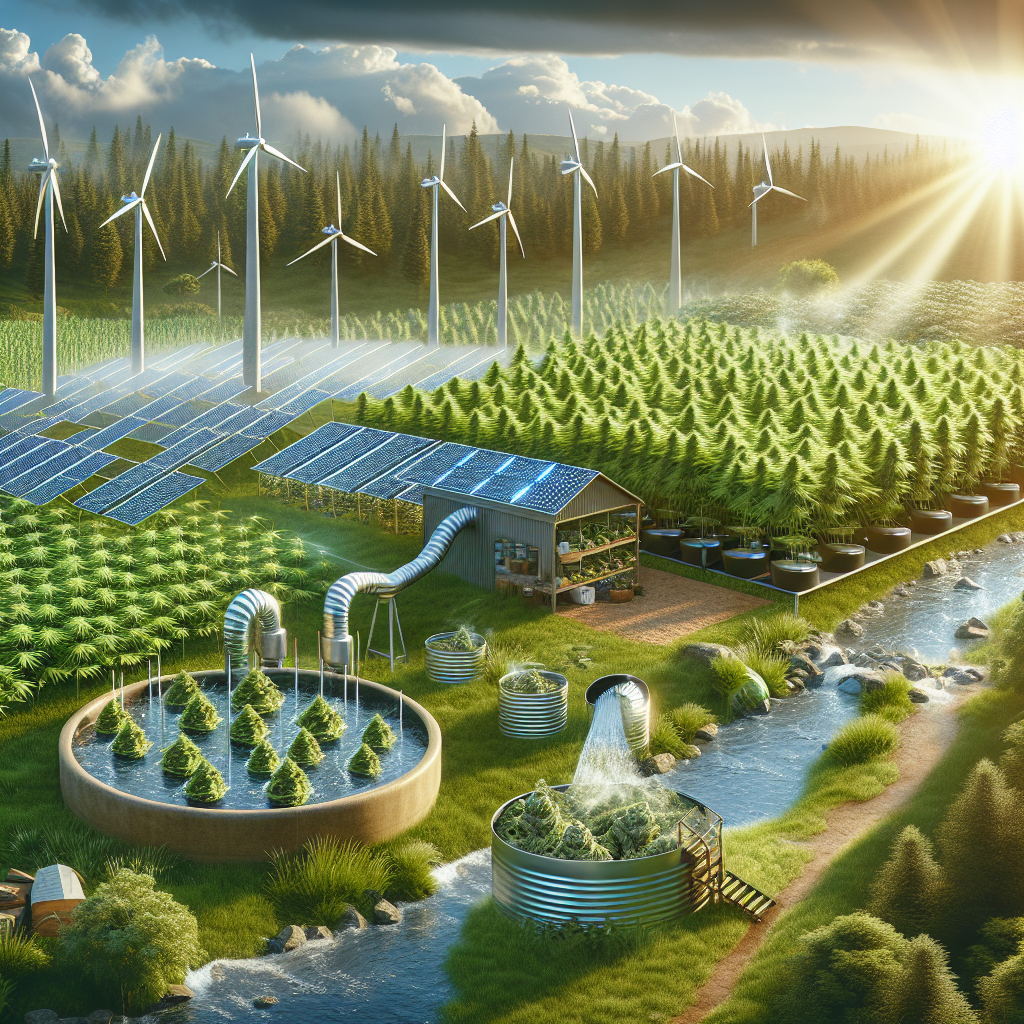
The cannabis industry in the United States has experienced exponential growth in recent years, driven by the wave of legalization sweeping across states. As more consumers seek quality and ethically sourced products, the demand for sustainable farming techniques has surged. This evolution is not only about meeting consumer preferences but also about addressing environmental concerns and promoting responsible agricultural practices. In this article, we will explore the rise of sustainable cannabis farming techniques, current trends, and the future of this rapidly changing industry.
Historically, cannabis farming was neither regulated nor scrutinized. This lack of oversight allowed for practices that often disregarded environmental sustainability. However, as legalization gained traction, so did awareness of the ecological footprint of cannabis cultivation. Traditional methods have been associated with significant water usage, pesticide application, and land degradation. As the industry matures, farmers and consumers alike are championing sustainable practices that minimize environmental impact while maintaining product quality.
The first significant shift has been towards organic farming practices. Many cannabis cultivators are now opting for organic certification, which not only eliminates synthetic fertilizers and pesticides but also promotes healthier soils and ecosystems. Organic farming methods foster biodiversity, improve soil health, and reduce pollution in waterways. The Organic Cannabis Association has reported a steady increase in farms seeking certification, reflecting growing consumer demand for clean, organic products. This trend is not limited to small boutique farms; even larger operations are recognizing the economic and environmental benefits of organic cultivation.
Another trend that has gained traction is the practice of regenerative agriculture. Regenerative techniques focus on restoring soil health, increasing biodiversity, and sequestering carbon. This holistic approach goes beyond sustainability, aiming to improve the ecological resilience of farming systems. By utilizing cover crops, crop rotation, and composting, regenerative farmers can create a more balanced ecosystem, which in turn leads to healthier cannabis plants. Some innovative farmers are integrating permaculture principles, which focus on creating self-sustaining ecosystems that naturally enhance productivity while reducing resource consumption.
The cultivation of cannabis is also increasingly tied to local food systems and community-supported agriculture. Many farmers are adopting agroecological principles, which emphasize local and regional food systems and community engagement. This involves growing cannabis alongside other crops, promoting biodiversity, and reducing the carbon footprint associated with transporting products. By fostering connections between consumers and producers, these practices not only support local economies but also provide cannabis consumers with a more transparent understanding of their products.
Water conservation has emerged as a significant concern in cannabis farming, particularly in states facing drought. Innovative practices such as rainwater harvesting, drip irrigation, and soil moisture monitoring are becoming standard protocols in sustainable cannabis farms. These methods significantly reduce water usage while ensuring that plants receive the hydration they need. Some farms are even exploring aquaponics—integrating fish production with plant cultivation—which has demonstrated excellent results in both cannabis and other crops. As resource management becomes increasingly critical in agriculture, these water-saving techniques provide a model for the future.
As more brands embrace sustainability, consumers are beginning to prioritize these practices when making purchasing decisions. Recent surveys indicate that a majority of cannabis consumers are willing to pay a premium for sustainably grown products. This trend is reflected in the emergence of certifications and labels that denote sustainability practices, allowing consumers to make informed choices. The rise of eco-conscious brands showcases the intersection of consumer demand and environmental responsibility, making it clear that the industry is shifting towards a more sustainable future.
Despite the positive developments, challenges remain for sustainable cannabis farming. Regulatory hurdles continue to plague the industry, as federal legalization remains elusive. This ambiguity complicates the use of sustainable practices that may not yet be recognized by existing agricultural policies. Farmers advocating for sustainability often face difficulties accessing financing and insurance tailored to their eco-friendly practices. Furthermore, the lack of standardization in certifications can lead to confusion among consumers, making it essential for the industry to strive for clarity and uniformity.
Collaboration among various stakeholders is crucial to addressing these challenges. Industry associations, agronomists, and environmental organizations must work hand-in-hand to develop best practices, training programs, and advocacy initiatives. Educational platforms and resources that promote sustainable techniques can empower farmers to implement environmentally friendly practices effectively. By fostering a united front, the industry can push towards more robust regulations and policies that recognize and incentivize sustainability.
In conclusion, the rise of sustainable cannabis farming techniques in the United States marks a significant and positive development in a rapidly evolving industry. As consumer awareness and demand grow, the integration of organic, regenerative, and water-conservation practices will play a critical role in shaping the future of cannabis cultivation. By prioritizing sustainability, farmers can not only improve their environmental impact but also enhance the quality of the products they offer. As we stand on the precipice of a more sustainable future in cannabis farming, we must recognize that these efforts extend beyond the industry itself, reflecting broader societal priorities regarding environmental stewardship and responsible consumerism. The path forward is clear: prioritizing sustainability is not just a trend; it is an imperative for the industry, the planet, and future generations.
[ad_2]